Hip replacement: who needs it, the operation and recovery
Hip replacement is widely regarded as one of the most successful operations in modern orthopaedics. It is most often done for severe hip osteoarthritis and for some fractures of the hip. Most people gain substantial pain relief and better mobility, but recovery takes time and active effort.
What is a hip replacement?
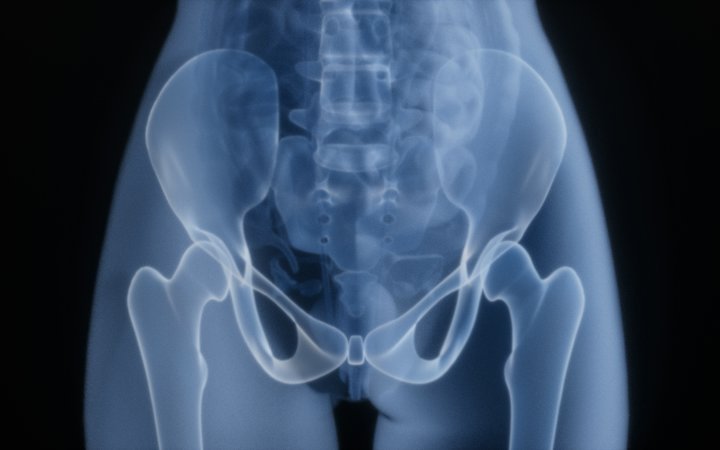
The hip is a ball-and-socket joint: the head of the thigh bone (femur) moves inside a socket in the pelvis (the acetabulum). In a hip replacement the surgeon removes the damaged femoral head and neck, prepares the socket and fits artificial parts – a metal stem inside the thigh bone, a ball made of metal or ceramic, and a cup lined with polyethylene or ceramic.
Hip replacement is part of orthopaedics and traumatology and is performed routinely worldwide. In most people a modern hip replacement works well for many years, often 15 to 20 or more. How long it lasts depends on age, activity, weight and bone quality.
When is hip replacement needed?
The commonest reason is hip osteoarthritis – wearing of the joint cartilage that causes pain in the groin, thigh or even the knee, stiffness and a limp. Other reasons include:
- a fracture of the femoral neck, especially in older people with osteoporosis;
- avascular necrosis of the femoral head (loss of blood supply to the bone);
- rheumatoid arthritis and other inflammatory conditions;
- the after-effects of developmental hip dysplasia or childhood hip disorders.
For osteoarthritis, surgery is considered when pain is severe and interferes with walking, putting on shoes and socks, sleeping and everyday life, and non-surgical treatment no longer helps. The decision is individual; age and weight alone are not barriers. After a hip fracture the situation is different: surgery is usually done as soon as safely possible, ideally within a day or two, to reduce the complications of being bed-bound.
Diagnosis and non-surgical treatment
For mild to moderate osteoarthritis, the mainstays of treatment are regular activity, exercises for the muscles around the hip, weight management and pain relief as advised by your doctor. Swimming, cycling and walking at a comfortable pace are good choices – see our guide to physical activity. If you carry extra weight, losing some reduces the load on the joint; our article on obesity may help.
Diagnosis is based on examination and an X-ray of the pelvis and hips. If the picture is unclear or avascular necrosis is suspected, your doctor may request MRI or CT. Other causes of pain also need to be ruled out – pain from a herniated disc in the lower back is sometimes mistaken for hip pain.
Types of implant and surgical approach
| Type | What is replaced | Typical use |
|---|---|---|
| Total hip replacement | Femoral head and socket | Most cases of osteoarthritis; the standard operation |
| Hemiarthroplasty (partial) | Femoral head and neck only | Often after a hip fracture in older, less active people |
| Revision hip replacement | A worn, loose or infected implant | More complex surgery with specialised implants |
Components may be fixed with bone cement, or uncemented, relying on bone growing into a textured surface; hybrid combinations also exist. The surgeon chooses based on age and bone quality. The joint can be reached from the back (posterior), side (lateral) or front (anterior). Each approach has pros and cons, and the surgeon's experience with a given approach matters more than the approach itself. Some centres use navigation or robotic surgery to help position the parts.
Preparation and the operation
Before surgery you will have blood tests, an ECG, an anaesthetic assessment and, if needed, reviews by other specialists. Diabetes and blood pressure should be well controlled, smoking stopped, any dental or skin infections treated, and your doctor will advise which medicines to pause.
The operation usually takes about one to one and a half hours under a spinal or general anaesthetic. Antibiotics and blood-clot prevention are standard. If recovery is straightforward, the hospital stay is typically one to a few days. In many hospitals you will stand up on the day of surgery or the next morning with a frame or crutches, supervised by a physiotherapist.
Risks and complications
Most hip replacements go well, but it is important to know the possible risks:
- Blood clots (deep vein thrombosis and pulmonary embolism) – which is why blood thinners and early mobilisation are used.
- Infection – uncommon, but it may need further operations.
- Dislocation – the ball slipping out of the socket, most often in the first weeks; following movement advice lowers the risk.
- Leg length difference – usually small and can be corrected with a shoe raise if needed.
- Fracture around the implant, nerve or blood vessel injury – rare.
- Loosening and wear of the components over time.
Your surgeon will discuss your own level of risk and how to reduce it.
Recovery and living with a new hip
Rehabilitation begins straight away with exercises for the hip and thigh muscles and practice walking and using stairs. Depending on the approach used, you may be asked to take precautions for the first weeks, such as avoiding bending the hip too far, crossing your legs or sitting on very low chairs.
As a rough guide, most people walk without aids after about six weeks and return to driving and light work after six to eight weeks. Full recovery takes several months. Walking, swimming, cycling, dancing and golf are suitable; high-impact sport should be discussed with your surgeon. Regular follow-up with X-rays helps detect wear early.
Hip replacement is available through public health systems in the UK and most of Europe, though waiting times differ widely.
When to see a doctor
See your GP or an orthopaedic specialist if you have pain in the groin, thigh or buttock that lasts for weeks, limits walking or wakes you at night. Get emergency help after a fall with severe hip pain and inability to bear weight – this may be a hip fracture. After surgery, seek urgent advice for fever, redness or discharge from the wound, sudden pain with a sensation of the hip "popping out" and a shortened or rotated leg, calf swelling, breathlessness or chest pain.
Hip replacement abroad and in Türkiye
Many patients from Bulgaria and elsewhere in Europe have their surgery in large accredited hospital groups in Istanbul. Before deciding, check the hospital's accreditation, the surgeon's experience in hip replacement, the type and manufacturer of the implant, the written treatment plan and what the price includes, and how physiotherapy and check-ups will be organised at home. Long-haul travel immediately after surgery should only happen with your surgeon's agreement because of the risk of blood clots. Organisers such as New City Clinic in Istanbul coordinate hospital, surgeon, hotel, transfers and interpreter. If you are undecided, consider a second opinion, and read about knee replacement too.
Frequently asked questions
How long does a hip replacement last?
In most people modern implants work well for 15 to 20 years and often longer. Lifespan depends on age, activity, weight and bone quality. If the implant wears out, a revision operation can be done.
What is a hip dislocation after surgery?
It is when the ball of the new joint slips out of the socket, most often in the first few weeks. It causes sudden severe pain and inability to move the leg and needs urgent treatment. Following your movement precautions reduces the risk.
When can I drive after a hip replacement?
Usually after six to eight weeks, once you can control the leg safely and are no longer taking strong painkillers. Check with your surgeon and your insurer before you start driving again.
Will my hip replacement set off airport scanners?
Metal components sometimes trigger security scanners. Carry an implant card or letter from your hospital. Checks are usually quick and straightforward.
Can I play sport with a hip replacement?
Yes, most low-impact activities such as walking, swimming, cycling and golf are suitable and beneficial. Running and contact sports put more strain on the implant and should be discussed with your surgeon first.
Sources
This article is for education and does not replace consultation, diagnosis or treatment by a doctor. In an emergency call 112.