Heart attack: symptoms, first steps and what happens next
A heart attack is a medical emergency in which part of the heart muscle suddenly stops receiving blood. If you think someone is having a heart attack, call 112 immediately – do not wait and do not drive to hospital yourself. The sooner the blocked artery is reopened, the more heart muscle can be saved.
Call 112 immediately
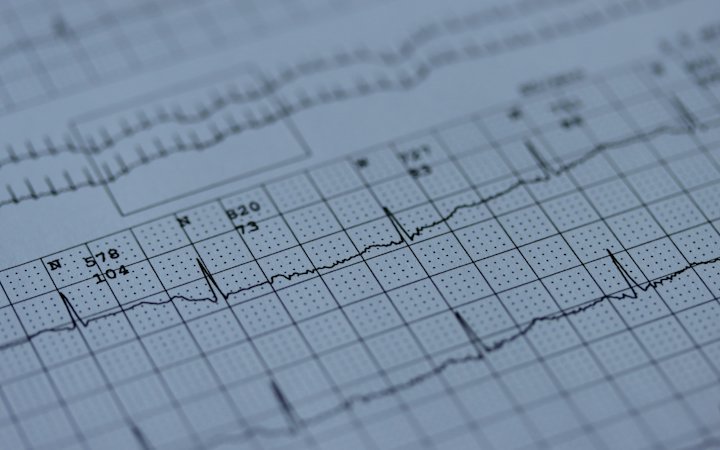
If you or someone near you has symptoms of a heart attack, call the European emergency number 112 straight away. In the UK 999 also works. Do not wait to see whether the pain settles, do not ring a friend who is a doctor first, and do not drive yourself to hospital. Paramedics can record an ECG at the scene, start treatment on the way and take the patient directly to a hospital that can perform emergency coronary angiography and stenting.
Time is muscle. Heart cells begin to die within minutes to hours of losing their blood supply, and lost muscle does not grow back. The rule is simple: if in doubt, call 112.
What is a heart attack?
A heart attack (myocardial infarction) happens when one of the coronary arteries that supply the heart muscle suddenly becomes blocked. Usually a fatty plaque in the artery wall – made of cholesterol, fat and inflammatory cells – cracks open, and a blood clot forms on top of it, stopping the flow of blood.
Doctors describe two main types:
- STEMI (ST-elevation myocardial infarction) – the artery is usually completely blocked and the ECG shows characteristic changes. This is the most urgent form.
- NSTEMI (non-ST-elevation myocardial infarction) – the artery is partly blocked; diagnosis is made with an ECG and a blood test for troponin.
A heart attack is the most serious form of coronary heart disease, and for some people it is the very first sign that anything is wrong.
Heart attack symptoms
Typical symptoms include:
- pressure, squeezing, heaviness or burning in the centre of the chest that lasts more than a few minutes or comes and goes;
- pain spreading to the left (sometimes the right) arm, the neck, jaw, back or upper stomach;
- shortness of breath, sometimes without any pain;
- cold sweat and pale skin;
- feeling sick or vomiting;
- light-headedness or an overwhelming sense of anxiety.
Heart attack pain usually does not change when you press on the chest or move position, and it does not fully go away with rest. It can be milder than people expect – some describe it as indigestion or a tight band.
Atypical symptoms
Women, older adults and people with diabetes are more likely to have a heart attack without severe chest pain. They may notice only unusual breathlessness, profound tiredness, discomfort in the stomach or back, or feeling generally unwell. If such symptoms come on suddenly and feel unlike anything before, calling 112 is the sensible choice.
First aid while you wait for the ambulance
- Call 112 and say clearly that you suspect a heart attack. Follow the call handler's instructions.
- Help the person sit in a comfortable, half-sitting position and keep them calm. Do not let them walk around or exert themselves.
- Loosen tight clothing and make sure there is fresh air.
- If the person is not allergic to aspirin, is not taking blood thinners and has no recent bleeding problem, the call handler may advise them to chew one aspirin tablet. Do not give medicines on your own initiative if you are unsure.
- If the person has been prescribed a GTN (nitroglycerin) spray or tablet, they can use it as their doctor has explained.
- Stay with them and make sure the paramedics can get in quickly – unlock the door, switch on outside lights.
If the person collapses
If the person becomes unresponsive and is not breathing normally, their heart may have stopped. Start chest compressions immediately – hard and fast in the centre of the chest, around 100–120 per minute – and keep going until help arrives. If a defibrillator (AED) is available, switch it on and follow the spoken instructions. The emergency call handler can guide you step by step.
How a heart attack is treated in hospital
The aim is to restore blood flow through the blocked artery as quickly as possible. Current European Society of Cardiology (ESC) guidance includes:
- Primary percutaneous coronary intervention (PCI) – emergency angiography in which the blocked artery is opened with a balloon and a stent is placed. For STEMI this is the preferred treatment when it can be delivered quickly.
- Thrombolysis – a clot-dissolving medicine given into a vein when a PCI centre cannot be reached in time.
- Medicines – antiplatelet drugs (usually two types for a period), an anticoagulant during the procedure, statins, beta-blockers, ACE inhibitors and others, tailored to the individual.
- Coronary bypass surgery – for some people with several diseased arteries or complex anatomy, usually not as the first emergency step.
Patients are monitored in a coronary care unit because the first days carry a risk of heart rhythm problems and other complications.
Recovery and life after a heart attack
Most people who receive prompt treatment go on to lead a full life, but recovery takes time and active involvement:
- Cardiac rehabilitation – a structured programme of supervised exercise, education and emotional support. It lowers the risk of another heart attack and improves quality of life.
- Taking medicines as prescribed – stopping them without speaking to a cardiologist can be dangerous, especially antiplatelet drugs after a stent.
- Stopping smoking – one of the most powerful ways to prevent a second heart attack.
- Eating well and staying active – see heart-healthy eating and physical activity.
- Controlling risk factors – blood pressure, LDL cholesterol, blood sugar and weight.
Returning to work, driving, flying and sexual activity are discussed individually with the cardiologist. Low mood and anxiety are common after a heart attack and deserve attention and treatment in their own right.
Risk factors and prevention
The main risk factors are smoking, high blood pressure, high cholesterol, diabetes, excess weight, physical inactivity, an unhealthy diet, a family history of early heart disease and increasing age. Long-term stress and untreated sleep apnoea also contribute.
Many of these can be picked up early at a health check-up. Knowing your blood pressure and cholesterol numbers is a simple first step.
When to see a doctor, and treatment abroad
For acute symptoms, call 112 – nothing else. A heart attack is treated at the nearest suitable hospital; it is never something to plan. A routine cardiology appointment is worthwhile if you get chest discomfort or breathlessness on exertion that eases with rest, palpitations, ankle swelling, or if you have several risk factors.
After a heart attack, some patients look for a second opinion or planned treatment – for example if bypass surgery or further stents are recommended – at large accredited hospitals abroad, including in Istanbul. Before deciding, check the hospital's accreditation, the cardiologist's or cardiac surgeon's specialty and experience, get a written treatment plan and agree how follow-up will work once you are home. Organisers such as New City Clinic in Istanbul coordinate hospital, doctor, hotel, transfers and an interpreter, but treatment decisions always rest with the medical team.
Frequently asked questions
What number should I call for a heart attack?
Call 112, which works across the European Union and in many other countries; in the UK 999 also works. Say clearly that you suspect a heart attack and give the exact address. Do not drive yourself to hospital.
Can you have a heart attack without chest pain?
Yes. Women, older adults and people with diabetes in particular may have only breathlessness, nausea, extreme tiredness or stomach discomfort. If symptoms are sudden and unusual, call 112.
How quickly does a heart attack need treatment?
As fast as possible. The greatest benefit from reopening the artery comes in the first hours after symptoms begin, which is why waiting for the pain to pass is risky.
Should I take aspirin if I think I am having a heart attack?
Aspirin is often advised, but it is not suitable for everyone, for example if you are allergic or at high risk of bleeding. The safest approach is to ask the 112 call handler or the paramedics.
When can I go back to work after a heart attack?
It depends on how severe the heart attack was, the treatment you had and the kind of work you do. Many people return within a few weeks to a few months, after discussing it with their cardiologist.
Sources
This article is for education and does not replace consultation, diagnosis or treatment by a doctor. In an emergency call 112.