Heart and vessels · Complete guide
Heart disease: symptoms, diagnosis and modern treatment
Cardiovascular disease is the leading cause of death worldwide. The encouraging news is that much of it can be prevented or detected early, and modern cardiology offers effective medicines, catheter procedures and surgery. This guide gives an overview of the main heart conditions and links to our detailed articles on each.

Why heart disease matters
According to the World Health Organization, cardiovascular diseases cause around 18 million deaths every year, making them the world's leading cause of death. Rates are particularly high in parts of Central and Eastern Europe, including Bulgaria, where coronary heart disease and stroke are among the most common causes of death and disability.
Much of this disease builds up silently over many years. Atherosclerosis – the build-up of fat and cholesterol in artery walls – can begin in early adulthood and progress without symptoms until it causes angina, a heart attack or a stroke. That is why prevention and early detection of risk factors make such a difference.
The main types of heart disease
| Condition | In brief | Read more |
|---|---|---|
| Coronary heart disease | Narrowing of the arteries that supply the heart muscle | Angiography and stenting, bypass surgery |
| Heart attack | Sudden blockage of a coronary artery | Heart attack: symptoms and first steps |
| Heart rhythm disorders | A pulse that is too fast, too slow or irregular | Arrhythmias and atrial fibrillation |
| Valve disease | A narrowed or leaking heart valve | Heart valve disease |
| Heart failure | The heart cannot pump enough blood | See below; in end-stage cases, heart transplant |
| Cardiomyopathies and myocarditis | Diseases of the heart muscle itself | Inherited or acquired |
| Congenital heart disease | Defects present from birth | Some are found only in adulthood |
Coronary heart disease
This is the most common heart condition. The coronary arteries become narrowed by fatty plaques, and during exertion the heart does not get enough oxygen. The classic symptom is angina – a tight pain behind the breastbone on effort that eases with rest. If a plaque ruptures and a clot forms, a heart attack follows.
Heart failure
In heart failure the heart cannot pump enough blood to meet the body's needs, or does not fill properly. The most common causes are a previous heart attack, long-standing high blood pressure, valve disease and cardiomyopathy. Symptoms include breathlessness, swollen legs, tiredness and a night-time cough. Modern medication substantially improves the outlook, and some patients benefit from devices or, in end-stage disease, a transplant.
Symptoms to watch for
- Chest pain or tightness – particularly with exertion, stress or cold weather; it may spread to the arm, neck, jaw or back.
- Breathlessness – with everyday activities, when lying flat or at night.
- Palpitations – a racing, pounding or irregular heartbeat.
- Dizziness or fainting, especially on exertion.
- Swelling of the ankles and legs, or rapid weight gain.
- Unusual tiredness and reduced stamina.
In women, older people and those with diabetes, symptoms are often less clear-cut – fatigue, nausea, or discomfort in the stomach or back. For sudden severe chest pain, breathlessness, cold sweats or collapse, do not wait – call 112 immediately.
Risk factors
Most heart disease results from a combination of factors. Some cannot be changed: age, male sex and a family history (heart attack or stroke in a close male relative under 55 or female relative under 65). Most, however, can be influenced:
- smoking – including passive smoking; quitting helps at any age;
- high blood pressure – often without any symptoms;
- high LDL cholesterol;
- diabetes and prediabetes;
- excess weight, especially around the waist;
- a sedentary lifestyle – see physical activity and health;
- an unhealthy diet high in salt, saturated fat and processed food – see heart-healthy eating;
- heavy drinking;
- chronic stress, depression, poor sleep and untreated sleep apnoea;
- chronic kidney disease.
The European Society of Cardiology (ESC) recommends estimating overall cardiovascular risk with validated tools such as SCORE2 (and SCORE2-OP for older adults), which combine age, sex, smoking, blood pressure and cholesterol. The result helps your doctor decide how intensively to treat each risk factor.
Heart disease in women
Heart attacks are often thought of as a male problem, yet cardiovascular disease is also a leading cause of death in women, and risk rises noticeably after the menopause. Pregnancy-related conditions – pre-eclampsia, gestational diabetes and high blood pressure in pregnancy – raise the risk of heart disease later in life, so it is worth telling your GP and having blood pressure, cholesterol and blood sugar checked regularly. Autoimmune diseases such as rheumatoid arthritis and lupus, and some cancer treatments (certain chemotherapy drugs and radiotherapy to the chest), can also affect the heart and deserve attention during follow-up.
How heart disease is diagnosed
Diagnosis begins with a conversation and examination by your GP or a cardiologist: blood pressure, pulse and listening to the heart and lungs. Depending on your symptoms, the next steps may include:
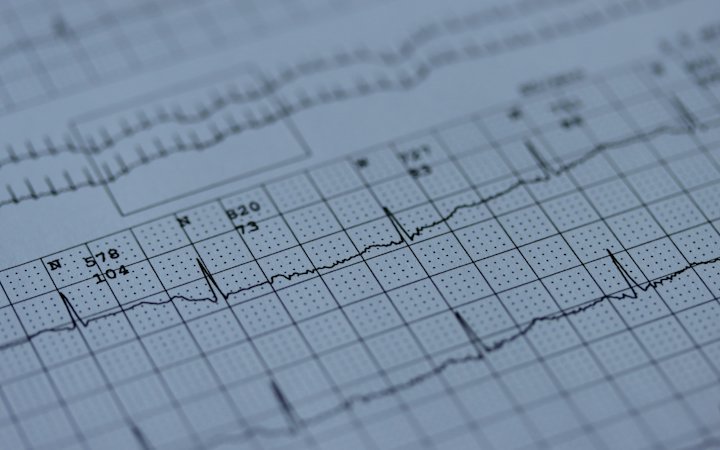
- an ECG – a quick, simple recording of the heart's electrical activity;
- blood tests – lipid profile, blood sugar and HbA1c, kidney function; troponin if a heart attack is suspected; natriuretic peptides (BNP/NT-proBNP) for possible heart failure;
- an echocardiogram – an ultrasound showing the structure and pumping function of the heart and valves;
- Holter ECG and ambulatory blood pressure monitoring – recordings over 24 hours or longer;
- an exercise test or stress echocardiogram, or a nuclear perfusion scan;
- CT coronary angiography or cardiac MRI;
- invasive coronary angiography – when a procedure is likely to be needed.
Modern treatment options
Treatment is always individual and depends on the diagnosis, its severity and other health conditions. The main approaches are:
Lifestyle changes
Stopping smoking, eating well, moving regularly, keeping a healthy weight and limiting alcohol and salt. These form the foundation of care for every heart condition and boost the effect of medicines.
Medicines
Depending on the condition, doctors may prescribe statins and other cholesterol-lowering drugs, antiplatelet medicines and anticoagulants, beta-blockers, ACE inhibitors or angiotensin receptor blockers, diuretics and newer medicine classes for heart failure. Medicines should be taken regularly and never stopped without medical advice.
Catheter procedures
- coronary angioplasty and stenting – for narrowed coronary arteries and heart attacks;
- catheter ablation – for certain arrhythmias;
- TAVI and other transcatheter procedures – for valve disease.
Heart surgery
- coronary artery bypass grafting – for multi-vessel coronary disease;
- valve replacement or repair;
- surgery on the aorta;
- heart transplantation – for selected patients with end-stage heart failure;
- in some centres, minimally invasive and robotic techniques.
Devices
Pacemakers, implantable cardioverter defibrillators (ICDs) and cardiac resynchronisation therapy for certain rhythm problems and heart failure.
Cardiac rehabilitation
A structured programme of exercise, education and emotional support after a heart attack, stent, bypass or valve surgery, or for heart failure. It has been shown to improve quality of life.
Prevention: what you can do today
- Stop smoking – the single most effective step; ask your doctor for support if you find it hard.
- Know your numbers – blood pressure, cholesterol, blood sugar and waist size. A health check-up is a good opportunity.
- Move more – at least 150–300 minutes of moderate activity a week, as recommended by the WHO.
- Eat a Mediterranean-style diet – more vegetables, fruit, pulses, whole grains, fish and olive oil; less salt, sugar and processed meat.
- Keep to a healthy weight.
- Limit alcohol.
- Get enough sleep, and take loud snoring and daytime sleepiness seriously.
- Take prescribed medicines regularly if you already have high blood pressure, diabetes or high cholesterol.
Many of these steps also lower the risk of some cancers – see cancer prevention.
When to see a doctor
Call 112 immediately for severe chest pain lasting more than a few minutes, sudden severe breathlessness, collapse, or signs of stroke (a drooping face, arm weakness, slurred speech).
Book an appointment with your GP or a cardiologist if:
- you get chest pain or breathlessness on exertion that settles with rest;
- you notice palpitations, an irregular pulse or dizziness;
- your legs swell or your weight rises quickly;
- you have high blood pressure, diabetes or high cholesterol and are not being monitored;
- there is a family history of early heart attacks, strokes or sudden death;
- you plan to start strenuous exercise after a long period of inactivity.
Treatment abroad and in Türkiye
Some patients seek a second opinion or planned treatment abroad – for complex multi-vessel disease, valve procedures or ablation, for example, or to avoid long waiting times at home.
Many patients from Bulgaria and the rest of Europe choose large accredited hospital groups in Istanbul. If you are considering this:
- check the hospital's accreditation (for example international accreditation) and whether it has round-the-clock cardiology and cardiac surgery cover;
- confirm the specialty and experience of the individual cardiologist or cardiac surgeon with your procedure;
- ask for a written treatment plan, including what is covered and what the alternatives are;
- gather all your medical records, angiography recordings and echocardiogram reports;
- arrange follow-up and rehabilitation at home in advance, including who will manage your medicines.
New City Clinic is a medical tourism organiser in Istanbul that coordinates hospital, doctor, hotel, transfers and an interpreter. Medical decisions, however, are always made by the treating team after examination and tests. Emergencies such as a heart attack are always treated at the nearest hospital – via 112.
Frequently asked questions
What are the most common types of heart disease?
The most common are coronary heart disease (including heart attacks), rhythm disorders such as atrial fibrillation, valve disease and heart failure. They are often linked and share many risk factors.
Can heart disease have no symptoms?
Yes. High blood pressure, high cholesterol, early atherosclerosis and some valve problems can go unnoticed for years. That is why regular check-ups matter, especially after 40 or if heart disease runs in your family.
What tests check the heart?
Usually a blood pressure check, an ECG and blood tests for cholesterol and blood sugar come first. If you have symptoms, a cardiologist may arrange an echocardiogram, Holter monitoring, an exercise test or imaging.
Is heart disease hereditary?
A family history raises your risk, and some conditions, such as certain cardiomyopathies and rhythm disorders, are genetic. But family history is not destiny – controlling risk factors lowers the risk considerably.
Can heart failure be treated?
Heart failure is usually a long-term condition, but modern medicines, devices and treating the underlying cause can greatly improve symptoms and outlook. Treatment is supervised by a cardiologist.
What should I do if I have chest pain?
If the pain is severe, lasts more than a few minutes or comes with breathlessness, sweating or nausea, call 112 straight away. If it is mild and only happens on exertion, see a doctor as soon as possible.
Sources
This article is for education and does not replace consultation, diagnosis or treatment by a doctor. In an emergency call 112.