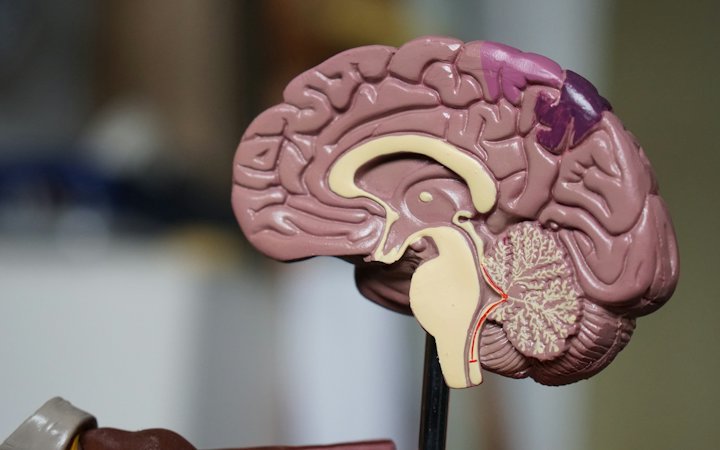
Migraine: symptoms, triggers and effective treatment
Migraine is a common neurological condition, not just a "bad headache". Attacks can last from hours to days and disrupt work and family life. With the right diagnosis and modern treatment, most people can make their attacks less frequent and less severe.

What is migraine?
Migraine is a long-term neurological disorder in which the brain is more sensitive to certain internal and external triggers. During an attack, the trigeminal nerve system is activated and substances such as the peptide CGRP are released, causing inflammation and pain around the blood vessels of the brain's coverings.
The World Health Organization lists migraine among the most common and most disabling conditions worldwide, particularly in people of working age. It is about three times more common in women, which is linked to hormonal changes, and it often runs in families. Migraine is part of the wider group of neurological diseases.
Symptoms and phases of an attack
A typical migraine attack can pass through several phases:
- Prodrome – hours to a day before the pain: tiredness, yawning, irritability, food cravings, a stiff neck.
- Aura (in about a third of people) – visual disturbances such as flickering lights, zigzag lines or blind spots, sometimes tingling in the hand and face or difficulty speaking. Aura usually lasts 5 to 60 minutes.
- Headache phase – throbbing, often one-sided pain of moderate to severe intensity that worsens with physical activity, with nausea, vomiting and sensitivity to light, sound and smells. Untreated, it lasts 4 to 72 hours.
- Postdrome – exhaustion and poor concentration after the pain fades, often described as a "migraine hangover".
Chronic migraine means headache on 15 or more days a month for at least three months, with migraine features on at least 8 of those days.
Common migraine triggers
Attacks are often set off by triggers that vary from person to person:
- stress, or relaxing after stress (for example at weekends);
- irregular sleep – too little or too much;
- skipping meals and not drinking enough;
- hormonal changes – periods and some hormonal contraceptives;
- alcohol, especially red wine, and sometimes particular foods;
- bright light, loud noise and strong smells;
- weather changes and crossing time zones.
Keeping a headache diary – date, duration, severity, possible triggers and medicines taken – is the best way to identify your own pattern. There is no need to avoid every possible trigger; this often leads to unnecessary restrictions.
How migraine is diagnosed
Migraine is diagnosed clinically, based on the description of attacks and a neurological examination, using the International Classification of Headache Disorders (ICHD-3). In most cases no special tests are needed.
A brain MRI or CT scan is arranged when there are "red flags": a new headache after the age of 50, a change in the pattern of headaches, unusually long aura or neurological symptoms that do not resolve, headache triggered by coughing or straining, or headache in someone with a weakened immune system or a history of cancer. Your doctor may also check your blood pressure and eyes and arrange blood tests.
Treating a migraine attack
The aim is to relieve pain quickly and get back to normal activities. The doctor tailors treatment to the severity of the attacks:
- Simple painkillers and anti-inflammatory medicines – for milder attacks, taken early.
- Triptans – migraine-specific medicines for moderate to severe attacks; not suitable for people with certain heart and circulation problems.
- Anti-sickness medicines – ease nausea and help painkillers work better.
- Newer classes (gepants and ditans) – for people who do not respond to or cannot take triptans, depending on availability in each country.
An important rule: painkillers should not be taken too often. Using them on more than roughly 10–15 days a month can lead to medication-overuse headache, in which headaches become almost daily.
Preventive treatment
Prevention is considered when attacks are frequent (for example four or more migraine days a month), severe, or not adequately controlled by acute treatment. Options include:
- Established preventive medicines – certain beta blockers, anti-seizure medicines, antidepressants or calcium channel blockers. The choice depends on other health conditions.
- CGRP-targeted treatments – monoclonal antibodies given by injection monthly or every three months, and gepant tablets. These are prescribed by a neurologist, usually after other medicines have not worked.
- Botulinum toxin – for chronic migraine, injected at set points on the head and neck every 12 weeks.
Preventive treatment is usually reviewed after 2–3 months. The goal is fewer and milder attacks rather than complete freedom from migraine.
Lifestyle measures
A regular routine often reduces the frequency of attacks: going to bed and getting up at the same times, eating regular meals, drinking enough water and keeping caffeine moderate. Regular aerobic physical activity such as walking, swimming or cycling, and stress-management techniques – relaxation, breathing exercises and cognitive behavioural therapy – also have good evidence. Snoring and morning headaches can be signs of sleep apnoea, which can make headaches worse.
When to see a doctor
Call 112 immediately if a headache comes on suddenly and is extremely severe ("like a thunderclap"), or if it comes with weakness, a drooping face, slurred speech, confusion, high fever and a stiff neck, or follows a head injury. These are not typical of migraine and could mean a stroke, bleeding or meningitis.
Book an appointment with your GP or a neurologist if headaches become more frequent or change in character, if you take painkillers on more than 2–3 days a week, if your aura lasts a long time, or if a new type of headache starts after 50. Women who have migraine with aura should discuss the choice of hormonal contraception with a doctor.
Treatment abroad / in Türkiye
Migraine can be managed well by neurologists at home. In difficult cases – chronic migraine, several failed preventive treatments or an unclear diagnosis – some patients seek a second opinion at a specialist headache service. Large accredited hospital groups in Istanbul have neurology departments offering full assessment, imaging and up-to-date treatment options.
Check the neurologist's experience with headache disorders, ask for a written treatment plan and agree how progress will be followed up once you are home. New City Clinic in Istanbul coordinates hospital, doctor, hotel, transfers and interpreter, while medical decisions are made by the treating neurologist.
Frequently asked questions
How do I know if my headache is a migraine?
Migraine is usually throbbing, often one-sided, moderate to severe and worse with movement, with nausea or sensitivity to light and sound. Attacks recur. A doctor makes the diagnosis after talking to you and examining you.
Is migraine aura dangerous?
Typical aura that lasts up to an hour and fully resolves is not dangerous in itself. If weakness, slurred speech or visual loss appear for the first time, especially suddenly, call 112 because it could be a stroke.
Can migraine go away on its own?
In some people attacks become less frequent with age, and many women improve after the menopause. The course is individual and cannot be predicted precisely.
How often can I take painkillers for migraine?
As a rule, on no more than 2–3 days a week. More frequent use can cause medication-overuse headache. If you need treatment more often, ask your doctor about preventive options.
Sources
This article is for education and does not replace consultation, diagnosis or treatment by a doctor. In an emergency call 112.