Heart transplant: when it is needed, what happens and life afterwards
A heart transplant is a treatment for people with end-stage heart failure when medicines, devices and other surgery no longer help. A heart can only come from a deceased donor, so every heart transplant depends on a national organ allocation system.
What is a heart transplant?
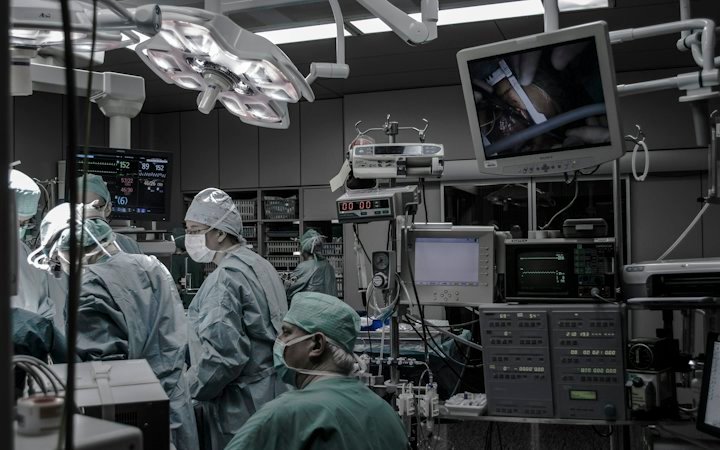
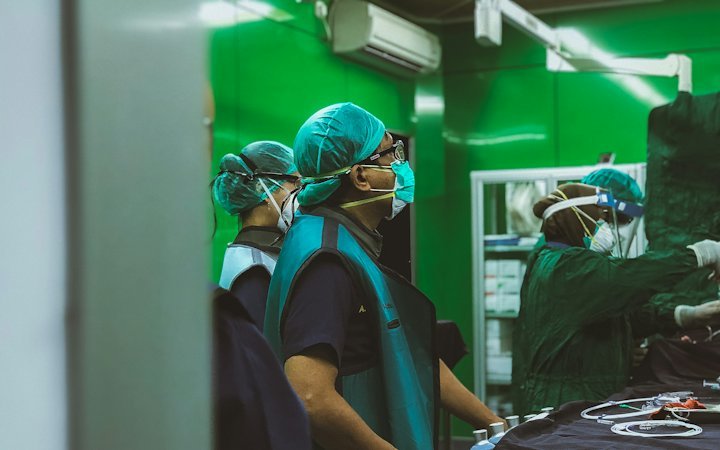
In a heart transplant the failing heart is removed and replaced with a healthy heart from a deceased donor. The operation uses a heart-lung bypass machine and usually takes several hours.
A heart cannot be donated during life, so heart transplantation relies entirely on deceased donation and on fair allocation rules. It sits within the wider topics of organ transplantation and heart disease.
When is a heart transplant needed?
The main reason is advanced (end-stage) heart failure – the heart cannot pump enough blood despite optimal medicines, cardiac resynchronisation therapy, an implantable defibrillator and any suitable surgery. The most common causes are:
- dilated cardiomyopathy;
- ischaemic cardiomyopathy after previous heart attacks and severe coronary artery disease;
- some restrictive and hypertrophic cardiomyopathies;
- congenital heart disease;
- dangerous ventricular arrhythmias that cannot be controlled.
Typical features are breathlessness on minimal effort or at rest, repeated hospital admissions for fluid overload, low cardiac output and needing intravenous medicines. A specialist heart failure and transplant team makes the decision.
Assessment and the waiting list
Before listing, a detailed pre-transplant evaluation is carried out: echocardiography, right heart catheterisation (including pressures in the lung circulation), exercise testing, kidney, liver and lung checks, infection and cancer screening, and a psychosocial assessment.
High pressure in the lung blood vessels, active cancer, serious disease of other organs and active substance misuse can make a transplant impossible or very high risk. In Bulgaria, listing and organ allocation are coordinated by the Executive Agency for Transplantation (IAT). Allocation takes account of blood group, body size, medical urgency and compatibility.
While waiting, you continue your heart failure treatment, limit salt and fluids as advised, weigh yourself every day and report any deterioration straight away. Gentle activity agreed with your cardiologist helps preserve muscle strength, which makes recovery after surgery easier. Keep your phone switched on and have a plan for getting to the transplant centre quickly if you are called.
Mechanical support: LVAD as a bridge
Because donor hearts are scarce, some patients receive a left ventricular assist device (LVAD), a mechanical pump that helps the heart move blood around the body. It can act as a bridge to transplant or, for some people who are not transplant candidates, as a long-term treatment.
An LVAD needs careful care of the driveline exit site, blood-thinning treatment and regular reviews, but it allows many patients to live at home while they wait.
The operation and the first weeks
When a suitable heart becomes available, you are called in urgently. A donor heart has to be transplanted within a few hours, so timing is critical.
After surgery you spend several days in intensive care and around two to three weeks in hospital overall, depending on progress. The new heart is "denervated" – its nerves are not connected – so the resting heart rate is usually faster and speeds up more slowly during exercise. This is expected and not a sign of a problem.
Rejection often causes no symptoms, so during the first year you will have regular rejection checks – traditionally an endomyocardial biopsy, a tiny sample of heart muscle taken through a vein – and in some centres additional blood tests.
Risks and long-term complications
- Acute rejection – most often in the first months; treated by increasing immunosuppression.
- Infections – especially in the first year.
- Cardiac allograft vasculopathy – gradual narrowing of the new heart's coronary arteries, monitored with periodic angiography or other tests. Because the heart is denervated, it may not cause typical chest pain.
- Medicine side effects – kidney damage, high blood pressure, diabetes, raised cholesterol, skin cancer and lymphoma.
Life after a heart transplant
Many people enjoy a much better quality of life after a heart transplant – they can walk, work and travel again. The foundations are cardiac rehabilitation with gradually increasing exercise, taking immunosuppressants every day, a healthy diet, control of blood pressure, cholesterol and blood sugar, not smoking and regular check-ups.
Vaccinations follow a schedule (live vaccines are avoided), and any new medicine should be checked with the transplant team first. See life after a transplant for more.
Returning to work is usually possible after a few months, depending on the job and your recovery. Driving can resume once the team agrees the breastbone has healed. Emotional ups and downs – relief and joy, but also anxiety, guilt or low mood – are common, and talking to a psychologist or other transplant recipients often helps. Women of childbearing age should discuss contraception and any future pregnancy with the transplant team, as some medicines can harm an unborn baby.
Treatment abroad
Because a heart can only come from a deceased donor, organs are allocated under the rules of each country's national system, usually to patients on its own waiting list. Patients should not expect to be able to travel "for a heart", and any offer involving payment is illegal and unethical under the Declaration of Istanbul and the Council of Europe Convention against Trafficking in Human Organs. Read more about organ donation law and ethics.
Some patients from Bulgaria seek a second opinion, heart failure assessment, device implantation or heart surgery at accredited hospitals abroad, including in Istanbul. If you are considering this, check the accreditation, the cardiac surgical team's experience, the written plan and follow-up at home. An organiser such as New City Clinic can coordinate the hospital, doctor, hotel, transfers and interpreter.
When to see a doctor
See your cardiologist if heart failure is getting worse despite treatment: breathlessness on light effort, swelling, repeated hospital stays or needing ever higher doses of diuretics. Call emergency services (112) for severe chest pain, severe breathlessness, fainting or a fast irregular heartbeat.
After a transplant, contact your centre at once if you have a fever, breathlessness, swelling, rapid weight gain, palpitations, dizziness or fainting.
Frequently asked questions
Can a living person donate a heart?
No. A heart can only be donated after death, under strict rules for deceased donation. Heart transplantation therefore depends entirely on national organ allocation systems.
What is an LVAD?
An LVAD is a mechanical pump that helps the left ventricle pump blood. It can be used as a bridge to transplant or as long-term treatment for people who are not transplant candidates.
Why is my heart rate faster after a transplant?
The nerves of the new heart are not connected to your nervous system, so the resting rate is usually higher and adapts more slowly during exercise. This is an expected feature of a transplanted heart.
How often are check-ups after a heart transplant?
Check-ups and rejection tests are frequent in the first year and then become less frequent. Follow-up continues for life, on a schedule set by your transplant centre.
Sources
This article is for education and does not replace consultation, diagnosis or treatment by a doctor. In an emergency call 112.