Organ transplantation · Complete guide
Organ transplantation: a complete guide for patients and families
For some people with end-stage kidney, liver, heart or lung failure, an organ transplant is the most effective treatment available. It is not a single operation but a long journey, from assessment and waiting through to lifelong follow-up. This guide explains the main steps, the different types of transplant and the legal and ethical rules that apply everywhere.
What is organ transplantation?
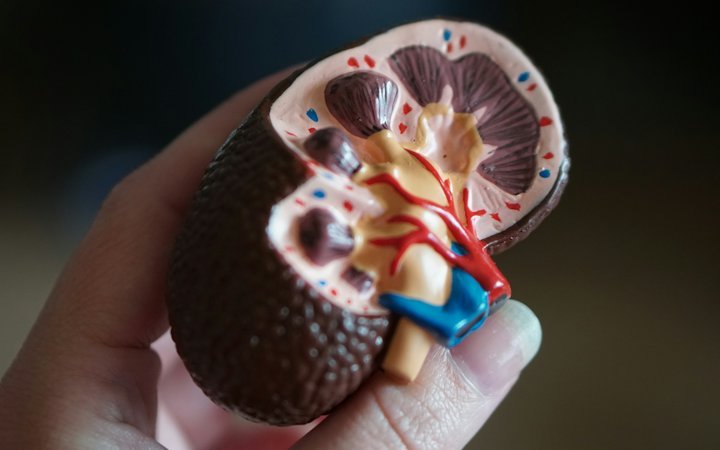
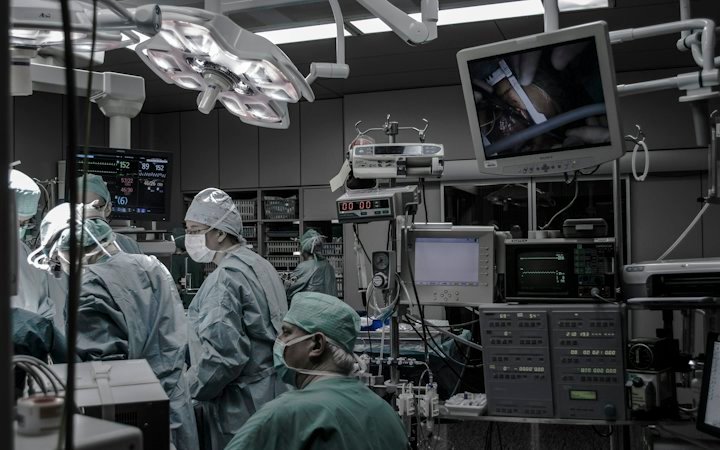
An organ transplant is an operation in which a failing organ is replaced with a healthy organ from another person, the donor. The organs most often transplanted are the kidney, liver, heart and lungs; the pancreas and small bowel are transplanted less frequently. Tissues such as corneas, bone and heart valves, and cells such as blood stem cells, can also be transplanted, but they follow different pathways.
The aim is to extend life and improve its quality when an organ has reached end-stage failure. For the kidney, a transplant is an alternative to lifelong dialysis. For the heart, lungs and liver there is often no other treatment that can replace the organ over the long term.
Because the immune system sees the new organ as foreign, recipients take medicines that dampen the immune response, known as immunosuppressants, and stay under the care of a transplant centre for the rest of their lives.
When is a transplant needed?
A transplant is discussed when disease has progressed to the point where the organ can no longer do its job and other treatments are not enough. Typical situations include:
- Kidney – end-stage chronic kidney disease, most commonly caused by diabetes, high blood pressure, glomerulonephritis or polycystic kidney disease.
- Liver – decompensated cirrhosis (after hepatitis B or C, alcohol or fatty liver disease), acute liver failure and selected cases of liver cancer.
- Heart – severe heart failure that does not respond to medicines, devices or other surgery.
- Lungs – advanced COPD, pulmonary fibrosis, cystic fibrosis or pulmonary hypertension.
Every decision is individual. The transplant team weighs whether the expected benefit outweighs the risks and whether the person is likely to cope with major surgery and the treatment that follows.
Types of organ transplant
Each organ has its own indications, surgical technique and follow-up. Our detailed guides cover each one:
| Organ | Main reasons | Donor |
|---|---|---|
| Kidney | End-stage kidney failure | Deceased or living donor |
| Liver | Cirrhosis, acute liver failure, some tumours | Deceased donor, or part of a living donor's liver |
| Heart | End-stage heart failure | Deceased donor only |
| Lung | COPD, fibrosis, cystic fibrosis, pulmonary hypertension | Almost always a deceased donor |
The kidney is the most commonly transplanted organ worldwide. Hearts and lungs can only be donated after death, whereas kidneys and part of the liver can also come from a living donor.
Where organs come from: deceased and living donors
Deceased donation. Organs are donated by people who have died, usually after brain death has been confirmed using strict medical criteria, or in some countries after circulatory death. National systems allocate organs according to objective rules such as compatibility, medical urgency and time on the waiting list. In Bulgaria this is coordinated by the Executive Agency for Transplantation (IAT), which also keeps the national waiting lists; you can read more in our guide to organ donation law and ethics.
Living donation. A healthy adult can donate a kidney or part of their liver. This is allowed only under strict conditions: the donor must be an adult, give free and informed consent, pass a thorough medical and psychological assessment, usually be a close relative or spouse, and receive approval from an ethics committee. The donation must be unpaid.
Important: buying or selling organs, and acting as a go-between in such deals, is illegal and unethical everywhere in the world. The Declaration of Istanbul and the Council of Europe Convention against Trafficking in Human Organs explicitly condemn transplant tourism in which organs are obtained for money or under pressure. Any offer to "buy" an organ is a sign of a crime and should be refused.
The transplant journey step by step
- Referral. Your kidney, liver, heart or lung specialist refers you to a transplant centre.
- Pre-transplant evaluation. Detailed tests including blood group and tissue typing (HLA), infection screening, heart and lung checks, cancer screening, dental review and a psychosocial assessment.
- Waiting list for a deceased donor organ, or work-up of a living donor.
- Surgery. The length depends on the organ – a few hours for a kidney and considerably longer for a liver, heart or lung transplant.
- Early recovery. Close monitoring, fine-tuning of immunosuppressants and prevention of infection.
- Long-term follow-up. Regular clinic visits and blood tests, drug level checks, vaccinations and prevention – see life after a transplant.
Matching: blood group and HLA
To give the organ the best chance of being accepted, the team compares the blood groups of donor and recipient, their tissue types (HLA) and whether the recipient has antibodies against the donor's tissue, checked with a crossmatch test. People who have had blood transfusions, pregnancies or a previous transplant sometimes carry more antibodies and can find it harder to get a suitable match. For hearts, lungs and livers, organ size and how ill the patient is also play a part.
Waiting for the call
While on the list, you need to be reachable by phone, stay as well as possible, keep up with treatment such as dialysis, and tell the centre about any infection, hospital admission or change of address. When an organ becomes available, the call can come at any time of day or night and you will usually be asked to come in quickly. Occasionally further checks show the organ is not suitable after all – this is a normal part of the process and does not mean you lose your place.
Risks and complications
A transplant is major treatment, and the team will talk through the risks before any decision is made:
- Rejection – acute (most often in the first months) or chronic. Most acute rejection episodes can be treated if they are picked up early.
- Infections – because the immune system is suppressed; preventive medicines and hygiene measures reduce the risk.
- Medicine side effects – high blood pressure, diabetes, kidney strain and a higher risk of some cancers, particularly skin cancer.
- Surgical complications – bleeding, blood vessel clots, or problems with the bile ducts or ureter, depending on the organ.
Careful patient selection, an experienced team and sticking closely to the aftercare plan all help to lower these risks. There is also a chance that the original disease returns in the new organ – some types of glomerulonephritis in a kidney, for example, or untreated hepatitis in a liver – which is why treating the underlying cause is part of the plan before surgery.
A transplanted organ does not always last a lifetime. A kidney recipient may, years later, need a second transplant or a return to dialysis. Your team will explain what to expect for your organ and your situation, without making guarantees.
Life after a transplant
After a successful transplant many people return to work, travel, exercise and family life. The key is routine: anti-rejection medicines are taken every day at the same times, never skipped and never changed without the transplant team. A healthy diet, regular activity, not smoking, sun protection and attending every check-up all matter.
Some women can have a pregnancy after a transplant, but it needs to be planned with the transplant team, because certain medicines must be switched well in advance.
Transplantation in Bulgaria and abroad
In Bulgaria, transplants are performed at designated university hospitals and patients are placed on the national waiting list through the IAT. Referral starts with your treating specialist, and both the agency and the transplant centres can answer questions.
Some patients from Bulgaria and elsewhere in Europe consider treatment at large accredited hospital groups abroad, including in Türkiye. There, living donor transplants are carried out only within Turkish law: the donor is usually a close relative or spouse, other cases require ethics committee approval, and proof of the relationship is checked. Organs from deceased donors in Türkiye are allocated through the national system and cannot be "arranged" for payment.
If you are thinking about treatment abroad, check the hospital's accreditation, the experience of the transplant team, the written treatment plan, and who will provide follow-up and medicines once you are home. Organisers such as New City Clinic in Istanbul can coordinate the hospital, doctor, hotel, transfers and an interpreter, but transplant decisions are made only by a licensed transplant centre and its ethics committee.
When to see a doctor
Talk to your GP or the specialist who looks after you if:
- you have a chronic kidney, liver, heart or lung condition that is getting worse despite treatment;
- you have been told your organ function is very low (for example, stage 4–5 kidney disease);
- you are on dialysis and want to know whether you could be a transplant candidate;
- you are thinking about becoming a living donor for someone close to you.
After a transplant, contact your transplant centre straight away if you have a fever, pass much less urine, become breathless, notice yellowing of the skin or eyes, have pain over the new organ, or cannot take your medicines.
Frequently asked questions
How long is the wait for an organ?
Waiting times vary widely and depend on the organ, blood group, tissue match and the number of donors. There is no single answer. Your transplant centre and the national transplant agency can give current information.
Can I buy an organ abroad?
No. Buying and selling organs is illegal and unethical in every country, including Bulgaria and Türkiye, and is prosecuted as a crime. Legitimate transplants use organs from deceased donors allocated by national systems, or from living donors within the law and without payment.
Who can be a living donor?
Usually a healthy adult, most often a close relative or spouse, who gives free and informed consent. The donor goes through a thorough medical and psychological assessment, and an ethics committee approves the donation. The transplant team makes the final decision.
Will I need to take medicines for life?
In almost all cases, yes. Immunosuppressants are usually taken lifelong, although doses are often reduced over time. Stopping them can lead to rejection and loss of the organ, so changes are made only by the transplant doctor.
What is the first step towards a transplant?
The first step is a conversation with your treating specialist, who assesses whether a transplant might be appropriate and refers you to a transplant centre. The formal pre-transplant evaluation starts there.
Sources
This article is for education and does not replace consultation, diagnosis or treatment by a doctor. In an emergency call 112.