Liver transplant: when it is needed, donors and recovery
A liver transplant can save the life of someone with severe liver disease when the liver can no longer recover. Because the liver is the only internal organ able to regenerate, it is possible to transplant either a whole liver from a deceased donor or part of a liver from a living donor.

What is a liver transplant?
In a liver transplant the diseased liver is removed and replaced with a healthy liver, or part of one, from a donor. The liver has hundreds of jobs: it makes proteins and clotting factors, clears toxins, produces bile and controls metabolism. When these functions fail permanently, life is at risk without a transplant.
The liver is the second most commonly transplanted organ after the kidney. Our pillar guide explains the wider field of organ transplantation.
When is a liver transplant needed?
The main reasons are:
- Decompensated cirrhosis – with ascites (fluid in the abdomen), bleeding from swollen veins in the oesophagus, hepatic encephalopathy (confusion) or jaundice. Causes include chronic hepatitis B and C, alcohol-related liver disease, fatty liver disease (MASLD) and autoimmune or cholestatic diseases. See our guide to cirrhosis and hepatitis.
- Acute liver failure – for example after poisoning (including paracetamol overdose or toxic mushrooms), viral hepatitis or with no clear cause. This is an emergency.
- Liver cancer (hepatocellular carcinoma) – limited tumours in a cirrhotic liver that meet set criteria, such as the Milan criteria.
- Metabolic and genetic conditions, and certain childhood diseases such as biliary atresia.
The severity of liver disease is often measured with the MELD score, calculated from bilirubin, INR, creatinine and sodium. A higher score means greater urgency. Allocation rules differ from country to country.
Who is a suitable candidate?
The transplant team weighs benefit against risk. The pre-transplant evaluation looks at the heart, lungs, kidneys and the liver's blood vessels (with CT or MRI), as well as infections, cancer, nutrition and the support available at home.
For alcohol-related liver disease, centres usually expect proven abstinence and engagement with a support programme. Active addiction, uncontrolled infection, cancer that has spread beyond the liver and severe heart or lung disease may rule a transplant out. Every decision is individual.
Deceased and living donors
Deceased donor liver. You are placed on the waiting list – in Bulgaria via the Executive Agency for Transplantation (IAT). Sometimes one deceased donor liver is split between two recipients, for example an adult and a child.
Living donor liver. A healthy adult donates part of their liver, usually the right or left lobe. Both the remaining part in the donor and the transplanted part in the recipient grow over the following weeks and months. Living liver donation is a bigger operation for the donor than giving a kidney, so selection and informed consent are especially careful.
Living donation is allowed only within the law – most often between close relatives or spouses, freely given, unpaid and approved by an ethics committee. Buying or selling an organ is a crime in every country. Find out more in our guide to organ donation law and ethics.
Surgery and recovery
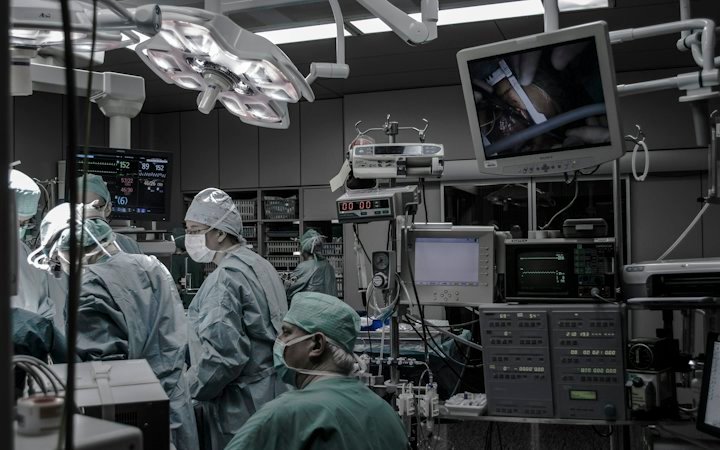
A liver transplant is one of the most complex abdominal operations and usually lasts many hours. The diseased liver is removed and the new one is connected to the inferior vena cava, portal vein, hepatic artery and bile duct.
Afterwards you spend several days in intensive care, and the total hospital stay is often two to three weeks or longer. Getting your strength back takes months. Early on, the team monitors liver tests, immunosuppressant levels, kidney function and signs of infection.
Risks and complications
- Rejection – most often in the first months; usually spotted on blood tests and treatable.
- Blood vessel problems – clots in the hepatic artery or portal vein, which may need urgent treatment.
- Bile duct problems – leaks or narrowing, often treated endoscopically.
- Infections – bacterial, viral and fungal, because of reduced immunity.
- Return of the original disease – for example hepatitis B (prevented with treatment), autoimmune conditions or a return to drinking.
- Long-term medicine effects – kidney damage, high blood pressure, diabetes and skin cancer.
For living donors, possible complications include bleeding, bile leaks and infection, and these are explained in detail before any decision.
Life after a liver transplant
Anti-rejection medicines are taken daily for life, although liver recipients can often manage on lower doses over time. Avoiding alcohol completely is generally advised for all recipients. A healthy diet, weight control, regular exercise, vaccinations and routine check-ups all matter. Our guide to life after a transplant has more detail.
Clinic visits are frequent in the first months and then usually drop to a few times a year. If the transplant was for liver cancer, follow-up also includes regular scans and tumour markers. Transplant recipients have a higher risk of some cancers, so regular skin checks and routine screening programmes are recommended. Many people return to work and family life, at a pace agreed with the team. Pregnancy may be possible for some women but must be planned in advance with the transplant doctor.
Liver transplant abroad
Some patients from Bulgaria and the rest of Europe look into living donor liver transplants at large accredited hospitals in Istanbul, where this type of surgery has been performed for many years. In Türkiye, living donation is permitted only within the law: the donor must be an adult, usually a relative up to the fourth degree or a spouse, and other cases need ethics committee approval and document checks. Organs from deceased donors are allocated only through the Turkish national system.
Check the hospital's accreditation, the team's experience with living donation, the written plan for both recipient and donor, the expected length of stay (often several weeks) and who will manage follow-up and medicines at home. An organiser such as New City Clinic can coordinate the hospital, doctor, hotel, transfers and interpreter; medical and ethical approval stays entirely with the transplant centre.
When to see a doctor
If you have cirrhosis or chronic hepatitis, ask your liver specialist whether it is time for a transplant referral – especially if you have ascites, bleeding, confusion, jaundice or liver cancer. Seek emergency help if you vomit blood, pass black stools, or become very drowsy or confused.
After a transplant, contact your centre if you develop a fever, yellowing of the skin or eyes, dark urine, pale stools, abdominal pain or cannot take your medicines.
Frequently asked questions
How long is the wait for a liver?
It depends on how ill you are, your blood group, organ size and the number of donors. In many systems the sickest patients get priority based on their MELD score, so no single figure applies.
Does a living donor's liver grow back?
Yes, the remaining part of the donor's liver usually regrows over the following weeks and months. Donors are followed up after surgery. The risks to the donor are real and are discussed in detail beforehand.
Can people with alcohol-related cirrhosis have a transplant?
Yes, if they are suitable. Centres usually expect proven abstinence from alcohol and engagement with a support programme, and the transplant team decides case by case.
Can hepatitis C affect the new liver?
Untreated hepatitis C can infect the new liver. Modern antiviral medicines cure most people, so treatment is usually given before or after the transplant as the liver specialist advises.
Sources
This article is for education and does not replace consultation, diagnosis or treatment by a doctor. In an emergency call 112.