Heart valve disease: stenosis, regurgitation and treatment options
The heart has four valves that keep blood flowing in one direction. When a valve narrows or fails to close properly, the heart has to work harder. Many valve problems develop slowly and cause no symptoms for years, so timely diagnosis and regular monitoring matter.
How the heart valves work
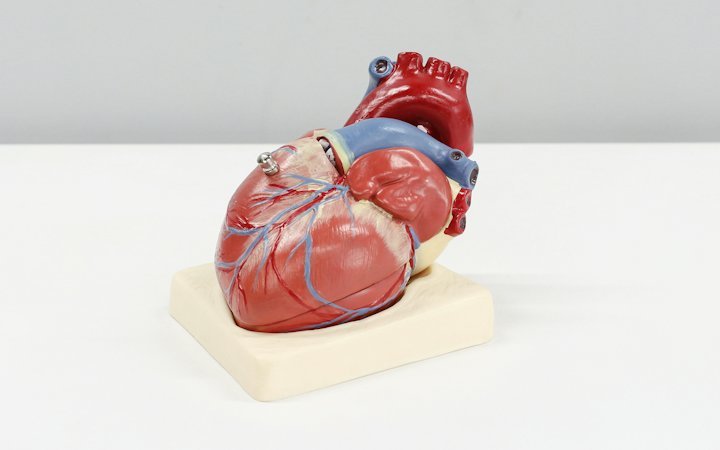
There are four heart valves: the tricuspid and pulmonary valves on the right side and the mitral and aortic valves on the left. With every heartbeat they open to let blood through and close to stop it flowing backwards. The sound of them closing is what a doctor hears through a stethoscope.
Valve disease falls into two main groups:
- Stenosis – the valve becomes stiff or narrowed and does not open fully, so the heart must push harder.
- Regurgitation (insufficiency) – the valve does not seal properly and some blood leaks backwards, so the heart must pump more.
A valve can be both narrowed and leaky, and sometimes several valves are affected. Valve disease is an important part of heart disease overall, and it is becoming more common as people live longer.
The most common valve conditions
Aortic stenosis
The most common valve disease requiring treatment in Europe. It is usually caused by age-related calcification of the valve; in younger people a congenital bicuspid aortic valve is a frequent cause. Once severe aortic stenosis causes symptoms, the outlook without treatment worsens quickly, so timely decisions are important.
Mitral regurgitation
This may be primary – due to changes in the valve itself, such as mitral valve prolapse or a torn chord – or secondary, when the valve is normal but the left ventricle has enlarged, for example after a heart attack or in heart failure.
Aortic regurgitation
Linked to a widened aorta, a bicuspid valve, previous endocarditis and other causes.
Mitral stenosis
Less common in Europe today and usually the result of rheumatic fever in childhood.
Tricuspid regurgitation
Often secondary to lung hypertension, left-sided valve disease or atrial fibrillation, and increasingly treatable with new catheter techniques.
Symptoms
In the early stages most valve diseases cause no symptoms and are discovered when a doctor hears a heart murmur. As they progress, people may notice:
- breathlessness on exertion, later at rest or when lying flat at night;
- reduced stamina and fatigue;
- chest pain or tightness on exertion, especially with aortic stenosis;
- dizziness or fainting during activity;
- palpitations, often due to atrial fibrillation – see heart rhythm disorders;
- swollen ankles and legs or weight gain from fluid retention.
Many people gradually do less without noticing and put their tiredness down to age. That is why doctors ask specific questions – how many flights of stairs you can climb, how far you can walk.
Diagnosis and monitoring
- Listening to the heart – a murmur is often the first clue.
- Transthoracic echocardiogram – the key test, showing the type and severity of valve disease and how well the heart chambers work.
- Transoesophageal echocardiogram – a probe passed down the gullet for a more detailed image, particularly of the mitral valve.
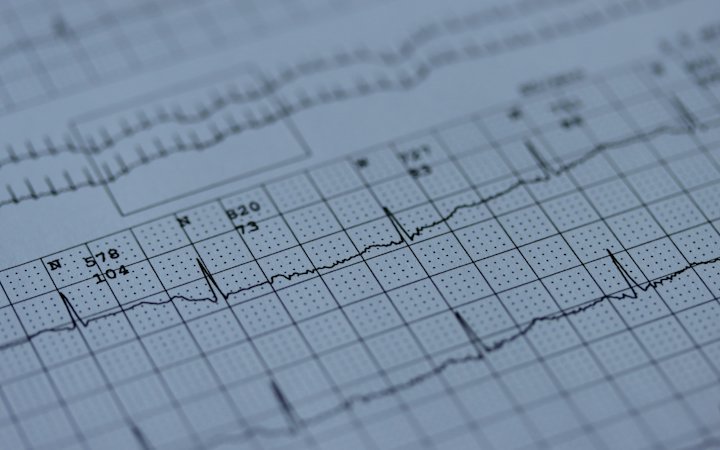
- ECG and Holter monitoring – to look for rhythm problems.
- Exercise testing – when it is unclear whether the disease is causing symptoms.
- CT of the heart and aorta – especially when planning TAVI; see MRI and CT scans.
- Coronary angiography – before surgery, to check for narrowed coronary arteries.
For mild or moderate valve disease without symptoms, regular echocardiograms at intervals set by your cardiologist are usually all that is needed.
Treatment
Medicines can ease symptoms (for example diuretics for fluid build-up) and treat related conditions such as high blood pressure, atrial fibrillation and heart failure, but they cannot repair a damaged valve. When valve disease is severe and causing symptoms, or the heart muscle starts to show strain, a procedure is considered.
| Option | How it is done | Usually suited to |
|---|---|---|
| Surgical valve replacement (SAVR, MVR) | Open-heart surgery; the valve is replaced with a mechanical or biological prosthesis | Younger patients, complex anatomy, or when other heart surgery is needed |
| Valve repair | The surgeon reconstructs the patient's own valve | Preferred for primary mitral regurgitation when feasible |
| TAVI (transcatheter aortic valve implantation) | A new biological valve is delivered through an artery in the groin | Older patients or those at higher surgical risk; decided by a heart team |
| Transcatheter mitral and tricuspid procedures | A clip or other device delivered via a vein | Selected patients at high surgical risk |
| Balloon valvuloplasty | The narrowed valve is stretched with a balloon | Selected cases of mitral stenosis |
Mechanical or biological valve?
Mechanical valves are very durable but require lifelong anticoagulation (warfarin or similar) with regular INR checks. Biological valves usually do not need lifelong anticoagulation but can wear out over the years, sometimes requiring another procedure. The choice depends on age, other illnesses, lifestyle and personal preference, and is discussed with the cardiologist and surgeon. European ESC/EACTS guidance emphasises the heart team's role in all these decisions.
Valve surgery is sometimes combined with coronary bypass surgery if the coronary arteries are also significantly narrowed. Certain valve operations can be done through smaller incisions or with robotic surgery in specialist centres.
Endocarditis and prevention
Infective endocarditis is a rare but serious infection of the heart valves. People with an artificial valve or a history of endocarditis are at higher risk. Good dental hygiene and regular dental check-ups are an important part of prevention. For some high-risk patients, antibiotics are recommended before certain dental procedures – ask your cardiologist whether this applies to you. A persistent unexplained fever in someone with a replacement valve needs prompt assessment.
Life after valve treatment
Recovery from open valve surgery is similar to recovery from bypass surgery – roughly 6–12 weeks – and cardiac rehabilitation helps. After TAVI recovery is usually quicker, and many patients go home within a few days. Regular follow-up echocardiograms, sticking to anticoagulant or antiplatelet treatment, healthy eating and gradually increasing physical activity are all important.
When to see a doctor, and treatment abroad
See your GP or a cardiologist if you have been told you have a heart murmur, or if you notice breathlessness, chest pain or dizziness on exertion, or swollen ankles. If you already know you have valve disease, keep your follow-up echocardiograms and report any change in symptoms. For fainting, sudden severe breathlessness or chest pain, call 112.
Valve replacement, repair and TAVI are carried out in specialist cardiac centres. Some patients seek a second opinion or treatment at large accredited hospital groups in Istanbul. If you are considering this, check the team's experience with the specific technique (for example the number of TAVI procedures or mitral repairs performed), which valve will be used, the written treatment plan and how check-ups and anticoagulation will be managed back home. New City Clinic in Istanbul coordinates hospital, doctor, hotel, transfers and an interpreter; the choice of procedure rests with the heart team.
Frequently asked questions
Does a heart murmur mean I have valve disease?
Not always. Some murmurs are innocent, especially in children and young adults. An echocardiogram shows whether valve disease is present and how significant it is.
What is TAVI?
TAVI is a procedure in which a new aortic valve is delivered by catheter, usually through an artery in the groin, without opening the chest. It is mainly used in older patients or those at higher surgical risk, as decided by a heart team.
How long does a biological valve last?
Biological valves usually last many years but can wear out over time. Durability depends on age and other factors, which is why regular echocardiogram follow-up is needed.
Can I exercise with heart valve disease?
With mild valve disease, usually yes, but intense exertion can be risky with severe stenosis. Discuss the type and intensity of exercise with your cardiologist.
Do I need antibiotics before dental treatment?
Antibiotic cover is recommended only for certain high-risk patients, such as those with a replacement valve or previous endocarditis, and only for some procedures. Ask your cardiologist.
Sources
This article is for education and does not replace consultation, diagnosis or treatment by a doctor. In an emergency call 112.