Epilepsy and EEG: seizure types, diagnosis and treatment
Epilepsy is a brain condition that causes repeated seizures. It can start at any age. With an accurate diagnosis and the right treatment, most people with epilepsy can become seizure-free and lead full lives.
What is epilepsy?
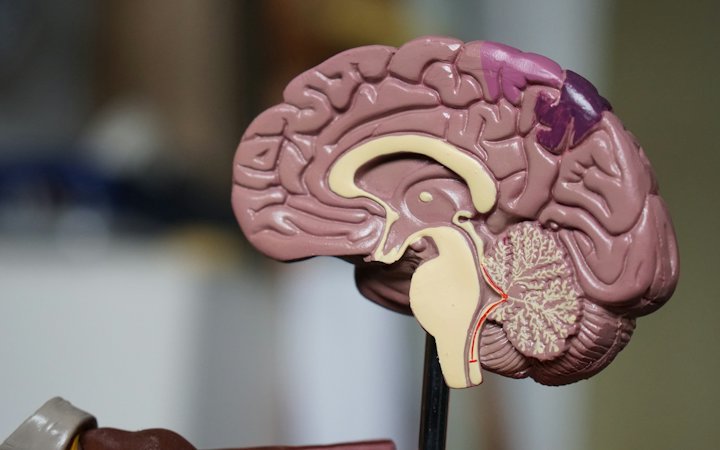
An epileptic seizure is a brief disturbance of brain function caused by a sudden, excessive and synchronised electrical discharge in a group of nerve cells. Epilepsy is diagnosed when someone has an enduring tendency to have seizures – usually after two unprovoked seizures more than 24 hours apart, or after one seizure with a high risk of recurrence (for example with typical EEG or MRI findings).
The World Health Organization estimates that around 50 million people worldwide have epilepsy, making it one of the most common neurological diseases. It occurs at all ages but most often begins in childhood or after the age of 60.
Causes vary: genetic predisposition, developmental abnormalities of the brain's cortex, birth injury, head injury, stroke, brain tumours, brain infections and dementia. In some people no cause is found.
Types of seizures
The International League Against Epilepsy (ILAE) classifies seizures by where they start:
- Focal seizures – begin in one part of the brain. The person may stay aware (with twitching of a hand, an odd feeling, a smell or déjà vu), or awareness may be impaired – staring, automatic movements such as lip-smacking or fumbling with clothes, and no memory of the event.
- Generalised seizures – involve both sides of the brain from the start. They include tonic-clonic seizures (falling, stiffening and rhythmic jerking, sometimes tongue biting and incontinence), absence seizures (brief "blank" spells lasting seconds, more common in children) and myoclonic jerks.
- Focal to bilateral tonic-clonic seizures – start locally and then spread.
Not every blackout is epilepsy. Simple fainting (syncope), heart rhythm disorders, low blood sugar and non-epileptic attacks can look similar, which is why an accurate diagnosis matters so much.
Diagnosis: EEG, MRI and other tests
The most valuable information often comes from an eyewitness account. If it is safe to do so, a phone video of an episode can help the neurologist greatly.
| Test | What it shows |
|---|---|
| Routine EEG | Records the brain's electrical activity through electrodes on the scalp for 20–40 minutes, often with deep breathing and flashing lights. It may show epileptic changes and help define the type of epilepsy. |
| Sleep-deprived EEG | Increases the chance of detecting changes missed on a routine recording. |
| Video-EEG monitoring | A longer recording over several days in hospital with video, to capture the actual episodes when the diagnosis is unclear or before surgery. |
| Brain MRI | Using a dedicated epilepsy protocol, looks for structural causes – scarring, malformations, tumours, hippocampal sclerosis. |
| Blood tests, ECG | Exclude metabolic causes and heart rhythm problems. |
It is important to know that a normal EEG does not rule out epilepsy, and minor non-specific changes do not prove it. The EEG is always interpreted alongside the clinical picture. The test is painless and safe; you will usually be asked to come with clean hair, free of gel or spray.
Treatment with anti-seizure medicines
Anti-seizure medicines are the mainstay of treatment. The neurologist chooses the medicine according to the seizure type, age, sex, pregnancy plans, other conditions and possible interactions.
- Treatment usually starts with one medicine at a low dose, increased gradually.
- In about two-thirds of people, the first or second suitable medicine controls the seizures.
- Medicines must be taken regularly every day. Stopping suddenly can trigger severe seizures.
- Women of childbearing age should discuss contraception and pregnancy planning with their neurologist, as some medicines carry risks for the baby.
After several seizure-free years, the doctor may discuss gradually withdrawing treatment for some people, but this is always done under medical supervision.
Drug-resistant epilepsy and surgery
If seizures continue despite two appropriately chosen and well-tolerated anti-seizure medicines, epilepsy is considered drug-resistant. The person should then be referred to a specialist epilepsy centre to assess other options:
- Epilepsy surgery – removing or disconnecting the area where seizures start, when it can be clearly identified and surgery will not endanger vital functions such as speech or movement. Assessment includes video-EEG monitoring, MRI, sometimes PET and neuropsychological testing.
- Vagus nerve stimulation (VNS) – a small device under the skin of the chest that sends impulses to the brain.
- Deep brain stimulation – offered in some centres for selected patients.
- Ketogenic diet – mainly for children, under close medical supervision.
Seizure first aid
- Stay calm and time the seizure.
- Move dangerous objects away and put something soft under the person's head.
- Do not put anything in their mouth and do not try to restrain the movements.
- Once the jerking stops, place them in the recovery position and stay with them until they are fully aware.
Call 112 if the seizure lasts more than 5 minutes, if another seizure follows before the person recovers, if it is a first seizure, if they are injured, have trouble breathing or are pregnant, or if the seizure happened in water.
Living with epilepsy
Most people with epilepsy study, work, play sport and have families. It helps to avoid known triggers such as lack of sleep, alcohol and missed doses. Driving is regulated by law and is usually allowed after a set seizure-free period – check the rules that apply to you with your neurologist. Swimming and activities at height should be done with someone present. Untreated sleep apnoea and poor sleep can worsen seizure control.
When to see a doctor
A first seizure always needs medical assessment – call 112 if it is prolonged or the person is injured; otherwise see your GP and a neurologist as soon as possible. Also seek advice for blank spells, unexplained falls, strange recurring sensations or automatic movements.
If you are already on treatment, contact your neurologist if seizures become more frequent, you have side effects, you are planning a pregnancy, or you are thinking about stopping your medicines.
Second opinion and treatment abroad / in Türkiye
For drug-resistant epilepsy or an uncertain diagnosis, a second opinion from a specialist epilepsy centre is advisable. Some patients from Bulgaria and the rest of Europe turn to large accredited hospital groups in Istanbul that offer video-EEG monitoring, high-resolution MRI and neurosurgical teams experienced in epilepsy surgery.
Check the centre's experience with pre-surgical assessment, who will make the final review of the tests, the written treatment plan, and how follow-up and medicine adjustments will continue at home. New City Clinic in Istanbul coordinates hospital, doctor, hotel, transfers and interpreter, while treatment decisions are made by the treating doctors.
Frequently asked questions
Does one seizure mean I have epilepsy?
Not necessarily. A seizure can be provoked by high fever, low blood sugar, alcohol or lack of sleep. A neurologist assesses the risk of recurrence using EEG and MRI and decides whether it is epilepsy.
Does an EEG hurt?
No. The electrodes only record the brain's electrical activity and do not deliver any current. The test is safe, including for children and pregnant women.
Does a normal EEG rule out epilepsy?
No. Between seizures the EEG is often normal. That is why repeat recordings, a sleep-deprived EEG or prolonged video-EEG monitoring are sometimes needed.
Can I drive if I have epilepsy?
Driving rules are set by law and usually require a specific seizure-free period. Discuss your own situation with your neurologist.
Can I have a baby if I have epilepsy?
Yes, most women with epilepsy have healthy babies. It is important to plan pregnancy in advance with your neurologist so the safest medicine and dose can be chosen.
Sources
This article is for education and does not replace consultation, diagnosis or treatment by a doctor. In an emergency call 112.