Life after breast cancer: follow-up, side effects and living well
Finishing active treatment is a milestone, but it often brings new questions: how will I be monitored, could the cancer come back, and when will I feel like myself again? This article brings together practical information on the first years after breast cancer treatment and what you can do to support your own health.
Follow-up: what to expect
Once surgery, chemotherapy and radiotherapy are complete, a period of follow-up begins. Its aims are to detect any recurrence or new cancer early, to monitor and treat side effects, and to support your overall recovery.
A typical schedule, in line with European guidance, includes:
- a clinical examination every 3–6 months for the first 2–3 years, then every 6–12 months until year five, and yearly after that;
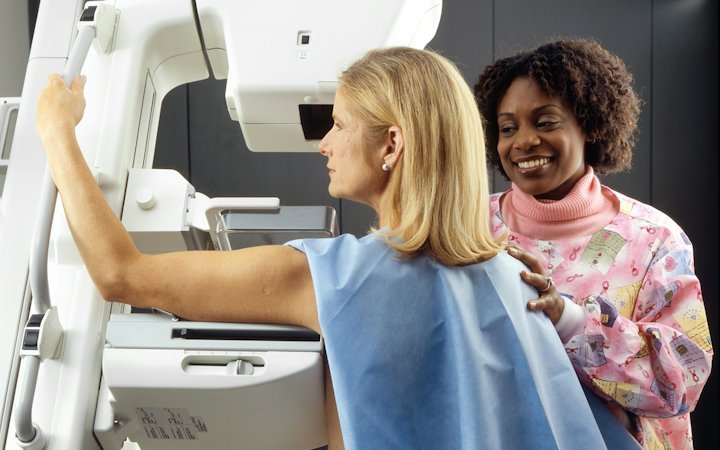
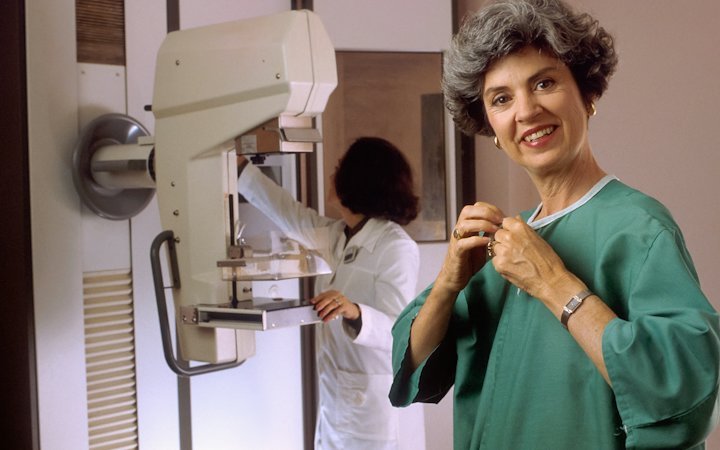
- a mammogram every year of any remaining breast tissue and the other breast, sometimes with ultrasound or MRI;
- a yearly gynaecological check, particularly if you take tamoxifen;
- bone density scans if you take an aromatase inhibitor or have had an early menopause.
For women without symptoms, routine CT scans, bone scans and tumour marker blood tests are generally not recommended, because they have not been shown to improve survival. Tests are arranged when symptoms arise. Follow-up is usually provided by the cancer centre that treated you, sometimes shared with your GP.
Hormone therapy and sticking with treatment
Most breast cancers are hormone-sensitive. For these, hormone therapy – tamoxifen or an aromatase inhibitor, sometimes combined with ovarian suppression – usually continues for five to ten years. It substantially reduces the risk of recurrence, but only if it is taken regularly.
Common side effects include hot flushes, night sweats, joint and muscle aches, vaginal dryness, mood changes and bone thinning (with aromatase inhibitors). Tamoxifen carries a small risk of blood clots and changes in the womb lining. Many of these problems can be eased with exercise, switching medicines or additional treatment. Do not stop treatment on your own – talk to your oncologist about any difficulty. Some patients also receive additional targeted medicines after surgery.
Common long-term effects
Lymphoedema
Swelling of the arm, breast or chest wall on the treated side, caused by disrupted lymph drainage. It is more likely after removal of many lymph nodes and radiotherapy to the armpit. Early signs include heaviness, tightness or a ring or sleeve feeling tighter. Treatment includes specialist lymphatic drainage, compression sleeves, exercise and skin care, and it works best when started early. Gradually progressed exercise, including weight training, does not increase the risk.
Fatigue
Tiredness after cancer treatment can last for months. The best-proven remedy is regular physical activity. It is also important to rule out anaemia, thyroid problems and depression.
Bones and joints
Aromatase inhibitors and early menopause can lead to osteoporosis. Your doctor may recommend calcium, vitamin D, weight-bearing exercise and, if needed, bone-protecting medicines.
Heart and other organs
Some chemotherapy and anti-HER2 drugs, as well as radiotherapy to the left breast, can affect the heart. Keeping blood pressure, cholesterol and weight under control is important – see a heart-healthy diet.
Memory and concentration
Some women notice problems with memory and focus, often called "chemo brain". These usually improve over time; routines, lists, exercise and good sleep all help.
Exercise, diet and weight
There is strong evidence that physically active women feel better after breast cancer, with less fatigue and better quality of life, and observational studies link activity with a lower risk of recurrence. The World Health Organization recommends that adults do at least 150–300 minutes of moderate or 75–150 minutes of vigorous aerobic activity a week, plus muscle-strengthening exercise on at least two days. Start gently and build up – see physical activity and health.
- Keep to a healthy weight – excess weight after the menopause is linked to higher risk.
- Eat a varied diet rich in vegetables, fruit, pulses, wholegrains and fish; limit processed and red meat, sugar and highly processed foods.
- Keep alcohol to a minimum – even small amounts are associated with higher risk.
- Do not smoke.
- Take supplements and herbal products only after talking to your oncologist – some interact with treatment.
For more on lowering risk, see cancer prevention.
Sex, fertility and pregnancy
Body changes, vaginal dryness, lower desire and fatigue can all affect intimacy. This is common but rarely talked about. Non-hormonal moisturisers and lubricants, pelvic floor physiotherapy and support from a gynaecologist or psychologist can help, so do raise it with your doctor.
For younger women, treatment can reduce fertility. Ideally, fertility preservation options such as freezing eggs or embryos are discussed before chemotherapy starts. Pregnancy after breast cancer is possible, and evidence suggests it does not worsen the outlook for most women. The timing, and any planned pause in hormone therapy, must be agreed with your oncologist. Effective non-hormonal contraception is needed during treatment.
Emotional wellbeing and returning to work
Anxiety, fear of recurrence, sadness and changes in body image are normal reactions. For many women these ease over time, but if they persist or interfere with daily life, seek help – a psychologist, counsellor, psycho-oncology service or support group. Depression is very treatable.
Returning to work is an important step back to normal life. Discuss a phased return or temporary adjustments with your employer. Patient organisations and cancer charities offer information, peer support and practical advice on rights at work.
Warning signs: when to see a doctor
Do not wait for your next scheduled appointment if you notice:
- a new lump in the breast, chest wall, armpit or above the collarbone;
- changes in the skin or scar, redness or a rash on the breast;
- new, persistent bone pain, especially at night;
- breathlessness or a persistent cough;
- abdominal pain, nausea or yellowing of the skin;
- severe headaches, vision changes, weakness or numbness;
- unexplained weight loss;
- swelling or increasing heaviness of the arm;
- vaginal bleeding after the menopause (particularly on tamoxifen).
Most of these symptoms have harmless explanations, but they should be checked. If you have doubts about your follow-up plan or about treatment for a recurrence, you can ask for a second opinion.
Follow-up and treatment abroad
Some people treated abroad continue follow-up at home, while others travel for check-ups or further treatment. Many patients from Bulgaria and across Europe use large accredited hospital groups in Istanbul for follow-up imaging, breast reconstruction or a second opinion if the cancer returns. If you plan to do this, take your complete medical records, ask for written reports (ideally in English) and make sure your oncologist at home is informed and coordinating your care. Health-tourism organisers such as New City Clinic coordinate the hospital, doctor, hotel, transfers and interpreter, but continuity of follow-up remains a shared responsibility between you and your treating oncologist.
Frequently asked questions
How often will I have check-ups?
Usually every 3–6 months for the first 2–3 years, then every 6–12 months until year five, and yearly after that. Mammograms are done every year. Your oncologist will set your exact schedule.
Why am I not offered scans at every visit?
For women without symptoms, routine scans and tumour markers have not been shown to improve survival and can lead to unnecessary worry and tests. They are arranged when symptoms appear.
Can I stop hormone therapy if I have side effects?
Do not stop on your own. Hormone therapy significantly reduces the risk of recurrence. Discuss side effects with your oncologist – they can often be eased, or the medicine changed.
Is it safe to exercise after breast cancer?
Yes, and it is strongly encouraged. Start gradually, and if you have lymphoedema or have had lymph node surgery, ask a physiotherapist about suitable exercises and how to build up the load.
Can I get pregnant after breast cancer?
For many women this is possible and does not worsen the outlook. The timing should be planned with your oncologist, especially if you take hormone therapy, which can sometimes be paused according to a plan.
Sources
This article is for education and does not replace consultation, diagnosis or treatment by a doctor. In an emergency call 112.