Lung transplant: who it can help and what to expect
A lung transplant is a treatment for people with severe, progressive lung disease when medicines, oxygen and rehabilitation are no longer enough. It can greatly ease breathlessness and improve everyday life, but it needs careful selection, serious preparation and lifelong follow-up.

What is a lung transplant?
In a lung transplant one or both diseased lungs are replaced with healthy lungs from a deceased donor. The aim is to relieve breathlessness, reduce the need for oxygen and extend life for people with advanced lung disease.
Lungs are constantly exposed to the air we breathe, along with germs and pollutants. That makes the risk of infection and rejection higher than with some other organs, so follow-up is especially close. Lung transplantation is part of the wider field of organ transplantation.
Which conditions may need a lung transplant?
- Chronic obstructive pulmonary disease (COPD), including alpha-1 antitrypsin deficiency, when it is very advanced despite treatment.
- Interstitial lung disease, most often idiopathic pulmonary fibrosis – people are often referred earlier because it can progress quickly.
- Cystic fibrosis and other forms of bronchiectasis.
- Pulmonary arterial hypertension that does not respond to targeted treatment.
Signs that it is time to talk to your chest specialist include breathlessness with everyday activities, needing oxygen, rapidly worsening lung function tests and repeated hospital stays for flare-ups. Timely referral matters – being referred too late can mean surgery is no longer possible. Lung cancer is generally not a reason for a lung transplant.
Who is a suitable candidate?
The pre-transplant evaluation looks at lung function, the heart (including the coronary arteries and lung blood pressure), kidneys, bone density, nutrition, infections and cancer risk. It also considers whether you can manage a complex treatment plan and take part in rehabilitation.
Usual requirements include:
- stopping smoking completely (including e-cigarettes) for a set period, confirmed by tests;
- no active alcohol or drug dependence;
- a reasonable body weight – being very overweight or severely underweight raises the risk;
- enough physical fitness, maintained with pulmonary rehabilitation.
Single or double lung transplant
A single lung transplant replaces one lung and may be an option for some people with COPD or pulmonary fibrosis. A double (bilateral) lung transplant replaces both lungs. It is essential in cystic fibrosis and other infective lung diseases, because a remaining diseased lung would infect the new one, and is often preferred in pulmonary hypertension.
The choice depends on the disease, your age, available organs and the centre's practice. The transplant team decides.
Lungs almost always come from a deceased donor. In Bulgaria, listing and allocation are coordinated by the Executive Agency for Transplantation (IAT), based on blood group, chest size, urgency and compatibility.
Surgery and recovery
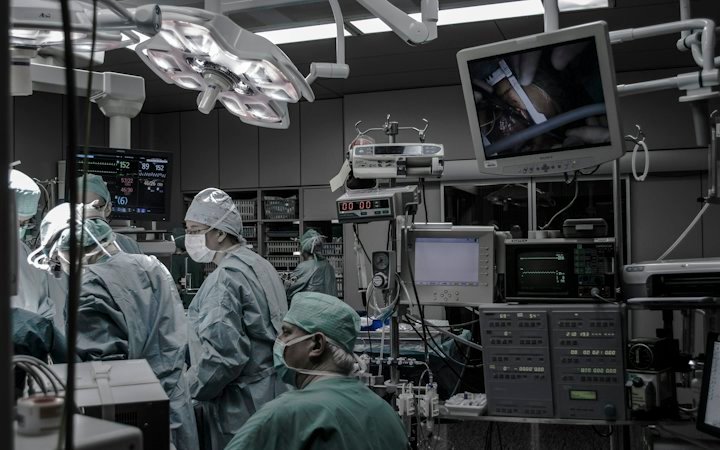
The operation is done under general anaesthetic and takes several hours, sometimes with heart-lung bypass or ECMO support. Afterwards you are cared for in intensive care and gradually weaned off the breathing machine.
Early rehabilitation is key: breathing exercises, getting out of bed and building up activity start while you are still in hospital. The hospital stay is usually several weeks. At home many patients check their breathing with a small hand-held spirometer and record the results, because a drop can be the first sign of a problem.
Risks and complications
- Primary graft dysfunction – injury to the new lung in the first days, sometimes needing prolonged ventilation or ECMO.
- Acute rejection – often detected by bronchoscopy and biopsy, and treatable.
- Infections – bacterial, viral and fungal; the risk is highest in the first year.
- Chronic lung allograft dysfunction (CLAD), including bronchiolitis obliterans – gradual narrowing of the small airways. This is the main long-term challenge.
- Problems where the airways are joined, reflux, kidney damage and other medicine side effects.
Overall, long-term outcomes after lung transplantation are more modest than after kidney or liver transplantation, but for the right patients the relief of breathlessness and improvement in daily life can be substantial.
Life after a lung transplant
Anti-rejection medicines are taken every day for life, together with infection prevention. Regular exercise, pulmonary rehabilitation, a healthy diet, treating reflux, avoiding tobacco smoke, dust and people with infections during the highest-risk period, and keeping up with vaccinations all matter. Check-ups include lung function tests, imaging and, where needed, bronchoscopy. See life after a transplant for more.
After a successful transplant many people can walk longer distances again, look after themselves, travel and, in some cases, return to work. The pace varies from person to person. Before travelling, take enough medicine and a letter from your doctor, and find out where the nearest medical centre is. Pregnancy after a lung transplant carries a higher risk and should be discussed with the team well in advance. Emotional support for both patient and family is also part of care, because the journey before and after a transplant can be demanding.
Lung transplant abroad
Because lungs almost always come from deceased donors, they are allocated under each country's national rules, usually to patients on its own waiting list. Patients should not expect to obtain donor lungs by travelling, and any offer involving payment is illegal and unethical. Read more about organ donation law and ethics.
Some patients seek a second opinion on their lung condition, advanced diagnostics or treatment at accredited hospitals abroad, including in Istanbul. Check the hospital's accreditation, the team's experience, the written plan and how follow-up will continue at home. An organiser such as New City Clinic can coordinate the hospital, doctor, hotel, transfers and interpreter.
When to see a doctor
Ask your chest specialist about a transplant if breathlessness limits your daily activities despite treatment, you need oxygen, your lung function is falling or you are often admitted to hospital. If you smoke, the most important step is to stop – a transplant is not possible otherwise.
After a transplant, contact your centre urgently if you have a fever, worsening breathlessness, a cough with phlegm, a drop in your spirometer readings or chest pain.
Frequently asked questions
Can I be considered if I smoke?
No. Every transplant centre requires you to stop smoking completely for a set period, confirmed by tests. Your chest specialist can help you access a stop-smoking programme.
Is a single or double lung transplant better?
It depends on the disease. People with cystic fibrosis and other infective lung diseases need a double transplant, while some people with COPD or fibrosis can have a single lung transplant. The transplant team decides.
How long does recovery take?
The hospital stay is usually several weeks and full recovery takes months, with regular rehabilitation. The pace is individual and depends on your condition before surgery.
Can lungs come from a living donor?
Very rarely. Almost all lung transplants use lungs from deceased donors allocated through national systems.
Sources
This article is for education and does not replace consultation, diagnosis or treatment by a doctor. In an emergency call 112.