Heart rhythm disorders (arrhythmia): types, symptoms and treatment
An arrhythmia is a problem with the rate or rhythm of the heartbeat – the heart may beat too fast, too slowly or irregularly. Many arrhythmias are harmless, but some, such as atrial fibrillation, raise the risk of stroke, and a few can be life-threatening.
What is an arrhythmia?
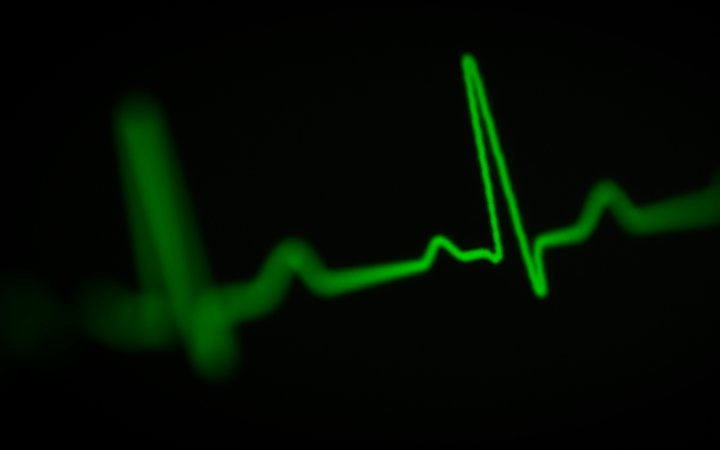
The heart has its own electrical system. Each beat normally starts in the sinus node in the right atrium, spreads through the upper chambers and the atrioventricular node, and reaches the ventricles, which contract and pump blood. A normal resting heart rate in adults is usually between 60 and 100 beats per minute.
An arrhythmia means something in this system is not working as it should. Doctors broadly group arrhythmias into:
- tachycardias – a fast rhythm, usually over 100 beats per minute;
- bradycardias – a slow rhythm, under 60 beats per minute (a slow pulse can be normal in fit people);
- ectopic beats – single extra beats, felt as a skipped or fluttering beat.
Arrhythmias can occur in a healthy heart but are more common alongside other heart conditions such as a previous heart attack, high blood pressure, valve disease or heart failure.
Common types of arrhythmia
| Type | What happens | Main concern |
|---|---|---|
| Atrial fibrillation (AF) | Chaotic electrical activity in the upper chambers, irregular pulse | Stroke, heart failure |
| Atrial flutter | Fast but organised rhythm in the upper chambers | Similar to AF |
| Supraventricular tachycardia (SVT) | Sudden bursts of a fast, regular heartbeat | Usually not dangerous, but unpleasant |
| Ventricular tachycardia and fibrillation | Fast rhythm arising from the lower chambers | Can cause cardiac arrest |
| Bradycardia, heart block | Slow rhythm or blocked conduction | Dizziness, fainting |
| Ectopic beats | Single early beats | Mostly harmless |
Atrial fibrillation
Atrial fibrillation is the most common persistent arrhythmia in adults and becomes more frequent with age. The upper chambers no longer squeeze effectively, so blood can pool and form clots. If a clot travels to the brain it causes a stroke. For this reason doctors assess stroke risk in most people with AF (for example with the CHA2DS2-VA score) and usually recommend an anticoagulant.
Symptoms
Some arrhythmias cause no symptoms at all and are found by chance during a check-up or flagged by a smartwatch. When symptoms occur, people typically describe:
- palpitations – the heart racing, pounding or beating irregularly;
- a skipped beat or a feeling that the heart has paused;
- dizziness or light-headedness;
- breathlessness, reduced exercise tolerance, tiredness;
- chest discomfort or pain;
- fainting (syncope).
Call 112 if palpitations come with chest pain, severe breathlessness, fainting or confusion, or if someone collapses. A sudden cardiac arrest needs immediate chest compressions and the use of a defibrillator (AED) if one is nearby.
Causes and risk factors
Common causes and triggers include:
- high blood pressure and coronary heart disease;
- heart failure and valve disease;
- older age;
- an overactive or underactive thyroid;
- obesity and sleep apnoea;
- heavy drinking, large amounts of caffeine, energy drinks, nicotine, certain medicines and stimulants;
- imbalances in potassium or magnesium;
- inherited problems with the heart's wiring or heart muscle.
How arrhythmias are diagnosed
The aim is to catch the arrhythmia on a recording. Tests include:
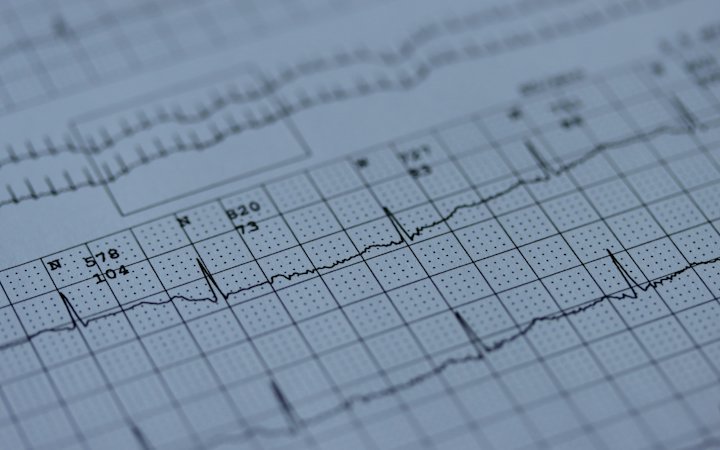
- a resting ECG – the first step;
- Holter monitoring – continuous recording for 24 hours to several days;
- event recorders or patch monitors – for less frequent episodes, worn for weeks;
- an implantable loop recorder – a tiny device under the skin for very infrequent symptoms such as unexplained fainting;
- an echocardiogram – to check the heart's structure and function;
- an exercise test – if symptoms appear on exertion;
- blood tests – thyroid, electrolytes, kidney function;
- an electrophysiology study – an invasive test that maps the electrical system, often combined with ablation.
Smartwatch readings can be a useful pointer, but the diagnosis should be confirmed by a doctor using a medical-grade ECG.
Treatment options
Treatment depends on the type of arrhythmia, the symptoms and the risks involved:
- Medicines – to control the rate (for example beta-blockers) or the rhythm (antiarrhythmic drugs); in AF, anticoagulants to prevent stroke.
- Cardioversion – restoring a normal rhythm with a brief electrical shock under short sedation, or with medication.
- Catheter ablation – a catheter is passed through a vein in the groin to the heart, and the tissue triggering the arrhythmia is isolated using heat (radiofrequency), cold (cryoablation) or pulsed field energy. Success rates for SVT are very high; for AF, ablation (pulmonary vein isolation) is increasingly a first-line option in suitable patients.
- A pacemaker – a small device under the collarbone that keeps the heart rate up in bradycardia or heart block.
- An implantable cardioverter defibrillator (ICD) – for people at high risk of dangerous ventricular arrhythmias; it detects them and stops them with a shock.
- Treating the cause – blood pressure, weight, sleep apnoea, alcohol, thyroid problems.
Lifestyle changes – losing weight, regular physical activity and cutting down on alcohol – have been shown to reduce AF episodes.
Living with an arrhythmia
Most people with an arrhythmia lead a normal life. It helps to learn to check your own pulse, keep a symptom diary and carry a list of your medicines. If you take an anticoagulant, tell your dentist and other doctors before any procedure. People with a pacemaker or ICD should follow advice about mobile phones, magnets and airport security, and attend regular device checks.
Some people with SVT can stop an episode themselves using vagal manoeuvres, such as straining with the mouth and nose closed; a doctor should teach these first, as they are not suitable for everyone. Driving restrictions may apply with certain arrhythmias and after an ICD is fitted.
When to see a doctor, and treatment abroad
See your GP or a cardiologist if you have frequent or prolonged palpitations, an irregular pulse, unexplained dizziness or reduced stamina. For fainting, chest pain or severe breathlessness, call 112. Anyone with a close relative who died suddenly at a young age should consider a cardiology assessment.
Catheter ablation and device implantation require a specialist electrophysiology centre. Some patients look for this treatment at large accredited hospitals in Istanbul. If you are considering it, check the electrophysiologist's experience with your type of ablation and the technology used, ask for a written treatment plan, and make sure follow-up – including device checks – is arranged at home. New City Clinic in Istanbul coordinates hospital, doctor, accommodation, transfers and an interpreter; medical decisions are made by the doctors.
Frequently asked questions
Are ectopic beats dangerous?
In a healthy heart, occasional ectopic beats are usually harmless. If they are very frequent, cause symptoms or you have known heart disease, your cardiologist may arrange a Holter monitor and an echocardiogram.
Can a smartwatch detect atrial fibrillation?
Some smartwatches can flag an irregular rhythm and record a single-lead ECG. This is a helpful pointer, but the diagnosis must be confirmed by a doctor with a medical recording.
Does ablation cure an arrhythmia permanently?
For some arrhythmias, such as SVT, ablation often fixes the problem for good. In atrial fibrillation success rates are lower and a repeat procedure is sometimes needed.
Do I need a blood thinner for atrial fibrillation?
Most people with AF and additional risk factors are advised to take an anticoagulant to prevent stroke. The decision is individual, weighing stroke risk against bleeding risk.
Can coffee cause palpitations?
Moderate coffee intake is usually fine for most people. Large amounts of caffeine, energy drinks and alcohol can, however, trigger episodes in people who are sensitive.
Sources
This article is for education and does not replace consultation, diagnosis or treatment by a doctor. In an emergency call 112.