Organ transplantation · Treatment in Türkiye
Kidney transplant in Turkey: living related donors, the law and the process
Some patients from Bulgaria and the rest of Europe with end-stage kidney failure consider a kidney transplant at a large hospital in Istanbul. It is possible only under one condition: your own living donor, a relative or spouse, who passes a full assessment. This guide explains the legal framework, the steps involved and the questions to ask before deciding.
Why patients consider a kidney transplant in Türkiye
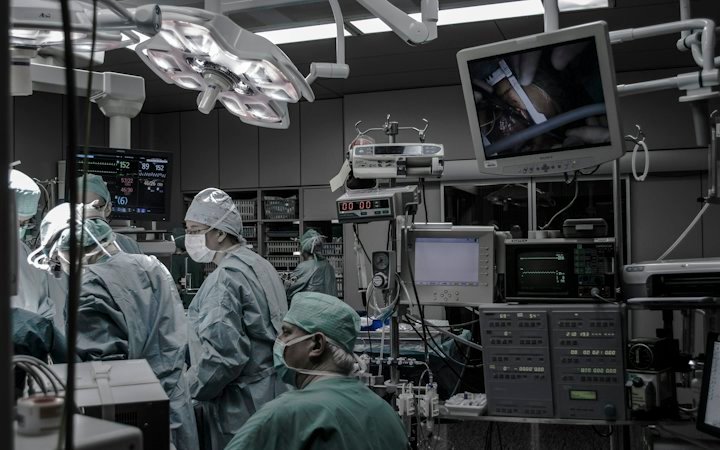
A kidney transplant is the best option for many people with end-stage chronic kidney disease. When a family member is willing to donate, some patients look for a hospital with wide experience in living-donor transplantation. The large private hospital groups in Istanbul run transplant programmes with nephrology and urology teams, intensive care units and international patient departments.
The reasons patients mention most often are:
- donor and recipient assessment can often be completed within a few weeks once the paperwork is ready;
- transplant teams with long experience in living donation;
- short direct flights from Sofia, Varna and many European cities to Istanbul;
- coordination in the patient's own language, from the first message until the return home.
The flip side matters just as much: a transplant abroad is not a shortcut to an organ. It is only possible if you bring a legal living donor from your own family.
Who can be a living donor
Not every relative who wants to help can donate a kidney. The donor must be healthy, and the risk to them must be acceptably low. The decision always rests with the transplant team and the ethics committee, and the donor can withdraw at any point without giving a reason.
- Compatibility – blood group, tissue (HLA) typing and a crossmatch test. Some centres can transplant across incompatible blood groups with special preparation; this is discussed case by case.
- Donor health – normal kidney function, no protein in the urine, controlled blood pressure, no diabetes, no active infection or cancer, and an acceptable weight.
- Imaging – usually a CT angiogram to show the blood vessels and the size of both kidneys.
- Psychological and social assessment – to confirm that the decision is free and fully informed.
Nobody can legally "find" or "provide" a donor for money. If anyone offers this – in Türkiye or anywhere else – it is a crime, not a medical service.
Documents usually required
The hospital provides the exact list, but it usually includes:
- passports or identity documents for recipient and donor;
- official documents proving the family relationship or marriage (birth certificates, family register extracts, marriage certificate), often with an apostille and a certified Turkish translation;
- the recipient's medical records: discharge letters, diagnosis, dialysis details, recent blood tests, blood group and, if available, HLA typing;
- the donor's written consent, signed in front of the transplant centre.
Prepare the paperwork early. A missing or incomplete proof of relationship is the most common reason for delay.
How the process works, step by step
- Records review. You share discharge letters and test results securely. A nephrologist and a transplant surgeon assess whether a transplant is suitable and what else is needed.
- Written plan. You receive a description of the tests for recipient and donor, the expected length of stay and the conditions. New City Clinic, as a health-tourism organiser, usually sends such a plan within 24 hours of reviewing the records.
- Travel and assessment. Recipient and donor arrive in Istanbul together. Then comes the pre-transplant evaluation, specialist consultations and a review of the documents by the hospital's ethics committee.
- Surgery. If everything is approved, the donor kidney is usually removed by keyhole (laparoscopic) surgery and placed low in the recipient's abdomen.
- Hospital stay and check-ups in Istanbul. The donor usually stays in hospital for a few days, the recipient for longer. Outpatient check-ups follow until the team judges it safe to travel.
- Follow-up at home. You take a full discharge summary and medication plan back to your own nephrologist.
The recipient's total stay in Istanbul is often several weeks. The exact length depends on how the new kidney works and on any complications.
Choosing a hospital and transplant team
Ask these questions before you decide:
- Is the hospital authorised by the Turkish Ministry of Health for living-donor kidney transplantation?
- How many living-donor transplants does the team perform each year, and who exactly will operate?
- How does the ethics committee check the documents, and how often does it meet?
- Who looks after the donor if a complication appears after returning home?
- Which anti-rejection regimen is planned, and how will it be coordinated with your home nephrologist?
New City Clinic works with the Acıbadem, Medicana, Medipol and Medical Park hospital groups and Biruni University Hospital – see partner hospitals. Which centre is suitable for a transplant is decided after the records review, and medical and ethical approval remain entirely with the transplant centre.
Risks and care after the transplant
Risks for the recipient include rejection, infections, surgical complications and long-term side effects of anti-rejection medicines. For a carefully selected donor the risk is low but not zero: bleeding, infection and pain in the short term, and in the long term a need for regular checks of blood pressure and kidney function.
Anti-rejection medicines are taken every day for life. Before you travel, make sure that:
- a nephrologist at home has agreed to follow you up after a transplant abroad;
- you know how you will obtain your medicines at home and what paperwork this needs;
- your donor also has a plan for yearly check-ups.
Read more about everyday life in life after a transplant.
Insurance and reimbursement
The EU Cross-Border Healthcare Directive (2011/24/EU) and the S2 form apply to treatment within the EU and EEA. Türkiye is not an EU member, so these routes generally do not cover treatment there. A transplant in Türkiye is usually paid for by the patient or a private insurer. Ask your national health insurer and nephrologist in advance what will be covered after you return – check-up tests and medicines in particular.
When to see a doctor
Discuss a transplant with your nephrologist if your kidney disease is at stage 4–5 or you are already on dialysis. After a transplant, contact the team immediately if you have a temperature above 38 °C, a sudden drop in urine output, pain or swelling over the new kidney, rapid weight gain, or vomiting that stops you taking your medicines.
For how treatment in Istanbul is organised, see Treatment in Türkiye.
Frequently asked questions
Can a hospital in Turkey provide a donor for me?
No. An international patient can receive a kidney only from their own living donor – a relative or spouse, or in other cases with ethics committee approval. Any offer to "find" a donor or to pay for an organ is a crime.
Can I join the Turkish waiting list for a deceased-donor kidney?
Deceased-donor organs are allocated only through the Turkish national system. Patients who travel specifically for a transplant cannot expect such an organ. Your own country runs its own waiting list.
How long will I need to stay in Istanbul?
Usually several weeks for the recipient, including the assessment before surgery and check-ups afterwards. The donor usually goes home earlier. The transplant team sets the exact timing.
What happens if my donor is not suitable?
If the tests show incompatibility or a higher risk for the donor, the transplant does not go ahead with that person. The team explains the options, such as assessing another relative or continuing dialysis and joining the waiting list at home.
Will my health insurance pay for a transplant in Turkey?
Türkiye is not in the EU, so EU cross-border healthcare rules generally do not apply. Check with your insurer beforehand what is covered after you return, such as medicines and follow-up tests.
Sources
This article is for education and does not replace consultation, diagnosis or treatment by a doctor. In an emergency call 112.