Cancer prevention: how lifestyle can lower your risk
Cancer is not only a matter of genes or bad luck. According to the World Health Organization, between 30 and 50% of cancers could be prevented by avoiding known risk factors and using proven prevention measures. This article sets out what you can do and when to get checked.

Can cancer be prevented?
Cancer develops when cells build up genetic changes and start dividing out of control. Some of these changes are random or inherited, but many are driven by external factors – tobacco smoke, alcohol, certain infections, ultraviolet radiation, diet and body weight. The World Health Organization (WHO) estimates that between 30 and 50% of cancers could be prevented.
Prevention has two main parts:
- primary prevention – lowering the chance that cancer develops at all (lifestyle, vaccines, protection from harmful exposures);
- secondary prevention – early detection through screening, when cancer or pre-cancerous changes are still highly treatable.
The European Code Against Cancer, published by the International Agency for Research on Cancer (IARC), sums up in a few simple recommendations what each person can do.
Tobacco: the biggest preventable cause
Smoking causes not only lung cancer but also cancers of the mouth, throat, oesophagus, bladder, kidney, pancreas, stomach, cervix and other organs. It is also a major cause of heart disease.
- Stopping smoking lowers your risk at any age – the sooner, the better.
- Second-hand smoke is harmful too, especially for children.
- Heated tobacco and other nicotine products have not been shown to be safe; non-smokers are best never to start.
- Your GP can offer support and, where appropriate, stop-smoking medication.
Alcohol
Alcohol is a proven carcinogen. It raises the risk of cancers of the mouth, throat, oesophagus, liver, bowel and breast. Risk increases with the amount you drink, and no safe threshold for cancer has been identified. Combining alcohol and tobacco is particularly harmful. The European Code Against Cancer advises limiting alcohol, and not drinking at all is best for cancer prevention.
Weight, diet and physical activity
A healthy weight
Excess weight and obesity are linked to a higher risk of at least a dozen cancers, including bowel, post-menopausal breast, womb, kidney, oesophageal, pancreatic and liver cancer. Keeping to a healthy weight is one of the most important steps you can take.
Diet
- Eat more whole grains, pulses, vegetables and fruit – fibre lowers the risk of bowel cancer.
- Limit red meat and avoid processed meat such as sausages, salami, ham and bacon. IARC classifies processed meat as carcinogenic to humans.
- Cut down on very salty foods, sugary drinks and highly processed products.
- Supplements do not replace a healthy diet and have not been shown to prevent cancer in most people.
For practical tips see heart-healthy eating – the same pattern of eating also protects against cancer.
Physical activity
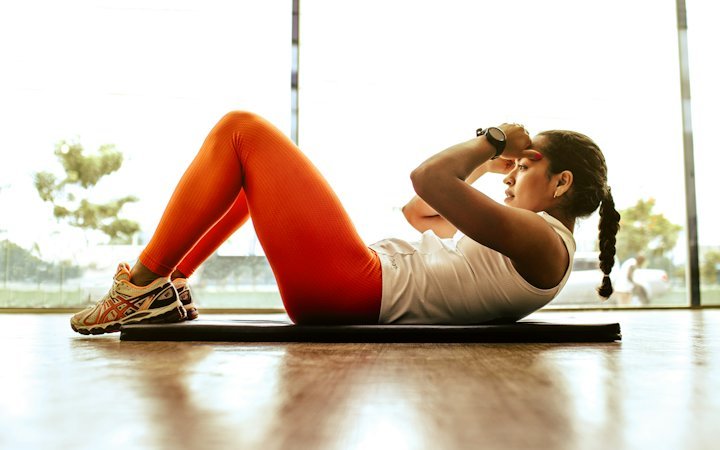
Regular movement lowers the risk of bowel, breast and womb cancer and helps you manage your weight. Aim for at least 150 minutes of moderate activity a week and cut down on sitting – see physical activity and health.
Sun, radon and harmful substances
- Ultraviolet radiation: avoid strong midday sun, use shade, clothing, a hat and sunscreen, especially for children. Do not use sunbeds – they raise the risk of melanoma.
- Radon: a radioactive gas that can build up in buildings, particularly basements and ground floors in some areas. It is the second most important cause of lung cancer after smoking. Testing is available if you are concerned.
- Workplace exposures: asbestos, certain chemicals, dusts and fumes. Follow health and safety rules at work.
- Air pollution: also linked to lung cancer; avoid unnecessary exposure on high-pollution days.
Vaccines and infections
Some infections are important causes of cancer, and several can be prevented:
- Human papillomavirus (HPV) – causes almost all cervical cancers as well as some cancers of the anus, throat and genitals. Vaccination works best before people become sexually active and is recommended for girls and, in many countries, boys too.
- Hepatitis B – chronic infection raises the risk of liver cancer; vaccination is part of routine childhood immunisation in most European countries.
- Hepatitis C – there is no vaccine, but modern treatment cures the infection in most people and lowers the risk of cirrhosis and liver cancer.
- Helicobacter pylori – a stomach bacterium linked to stomach cancer; it can be treated with antibiotics if found.
Screening: catching cancer early
Screening looks for cancer or pre-cancerous changes in people without symptoms. Across the European Union, organised programmes are recommended for:
| Cancer | Test | Usually offered to |
|---|---|---|
| Breast cancer | Mammography | Women roughly from 45–50 to 69–74, every 2–3 years |
| Cervical cancer | HPV test and/or smear (Pap) test | Women from about 25–30 to 65 |
| Bowel cancer | Faecal immunochemical test (FIT) and/or colonoscopy | Men and women aged about 50–74 |
For certain high-risk groups, screening for lung cancer with low-dose CT (long-term smokers) and for prostate cancer is also being considered. Exact ages and intervals depend on national programmes and your personal risk. With a strong family history – for example breast, ovarian or bowel cancer in close relatives at a young age – screening may start earlier and be more frequent, and genetic counselling is sometimes advised.
Your GP is the first step and can refer you for tests or to a specialist. See also our guide to the health check-up.
When to see a doctor
Prevention does not mean ignoring symptoms. See a doctor promptly if you notice:
- a lump or swelling in the breast, armpit, neck or elsewhere;
- a change in a mole – size, shape, colour or bleeding;
- unexplained weight loss, persistent tiredness or fever;
- blood in your stools, urine or phlegm, or unusual vaginal bleeding;
- a lasting change in bowel habit;
- a cough or hoarseness lasting more than three weeks;
- difficulty swallowing or persistent indigestion;
- a sore that does not heal.
Most of these symptoms have harmless causes, but early assessment matters. If you have a strong family history, discuss a personal monitoring plan with your doctor. If cancer has already been diagnosed, see our guide to cancer treatment.
Frequently asked questions
How many cancers are preventable?
The World Health Organization estimates that 30–50% of cancers could be prevented by avoiding risk factors such as tobacco, alcohol and excess weight and by measures such as vaccination and screening.
Are there foods that prevent cancer?
No single food prevents cancer. A diet rich in vegetables, fruit, whole grains and pulses and low in processed meat lowers risk, particularly of bowel cancer.
Is a little alcohol safe?
No safe level of alcohol has been established for cancer – risk rises with the amount you drink. The less you drink, the lower your risk.
Does the HPV vaccine prevent cancer?
Yes. The HPV vaccine protects against the virus types that cause most cervical cancers and some other cancers. It works best when given before a person becomes sexually active.
Is cancer hereditary?
Most cancers are not inherited, but around 5–10% are linked to a clear inherited predisposition. If several close relatives have had cancer, especially at a young age, ask about genetic counselling.
Sources
This article is for education and does not replace consultation, diagnosis or treatment by a doctor. In an emergency call 112.