High blood pressure (hypertension): symptoms, measuring and treatment
High blood pressure (hypertension) is one of the most common long-term conditions and a major risk factor for heart attack, stroke and kidney failure. The difficulty is that it usually causes no symptoms, so many people do not know they have it. Regular checks, lifestyle changes and, when needed, medication substantially reduce the risk.
What high blood pressure is
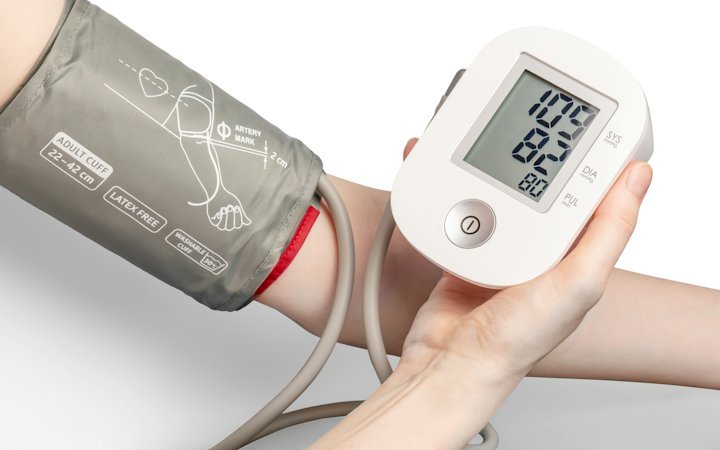
Blood pressure is the force of blood pushing against the walls of your arteries. It is written as two numbers: systolic (the top number, when the heart contracts) and diastolic (the bottom number, when it relaxes), measured in millimetres of mercury (mmHg). When pressure stays high, the heart works harder and the arteries are gradually damaged.
According to the World Health Organization, more than a billion adults worldwide have hypertension, and close to half of them are unaware of it. It is one of the leading contributors to heart and circulatory disease.
Approximate clinic readings according to European Society of Cardiology guidance:
| Category | Clinic reading (mmHg) |
|---|---|
| Non-elevated | below 120/70 |
| Elevated blood pressure | 120–139 / 70–89 |
| Hypertension | 140/90 or higher |
For home readings, the threshold for hypertension is lower, usually an average of 135/85 mmHg.
Causes and risk factors
In around nine in ten people there is no single cause; this is primary (essential) hypertension, shaped by genes and lifestyle:
- a high-salt diet, much of it hidden in bread, processed meat, cheese and ready meals;
- being overweight or living with obesity;
- physical inactivity;
- regular alcohol intake;
- smoking, chronic stress and poor sleep;
- age and family history.
In a minority, hypertension is secondary to another condition: chronic kidney disease, narrowing of the kidney arteries, hormonal disorders (such as primary aldosteronism or thyroid disease), sleep apnoea or certain medicines (anti-inflammatory painkillers, decongestants, hormonal contraceptives). Doctors look for a secondary cause particularly in younger people, with very high readings or when blood pressure does not respond to treatment.
Symptoms and complications
Hypertension is often called the "silent killer" because it usually causes no symptoms. Headaches, dizziness, ringing in the ears or nosebleeds can occur but are not reliable signs, so do not rely on how you feel to judge your blood pressure.
Over years, uncontrolled high blood pressure damages so-called target organs:
- the heart – thickening of the heart wall, heart failure, heart attack and atrial fibrillation (see arrhythmias);
- the brain – stroke and vascular dementia;
- the kidneys – chronic kidney disease;
- the eyes – damage to the retina;
- the arteries – atherosclerosis and aortic aneurysm.
How to measure your blood pressure at home
Use a validated automatic upper-arm monitor with a cuff that fits your arm. Wrist monitors are less accurate.
- Sit quietly for five minutes with your back supported, feet flat on the floor and legs uncrossed.
- Rest your arm on a table with the cuff at heart level, on bare skin.
- Avoid smoking, caffeine and exercise for 30 minutes beforehand.
- Take two readings in the morning and two in the evening, one to two minutes apart, for seven days before your appointment.
- Write down all readings and show them to your doctor.
To confirm the diagnosis, your doctor may also arrange 24-hour ambulatory blood pressure monitoring, which also identifies "white-coat" and "masked" hypertension.
Tests after a diagnosis of hypertension
Once hypertension is diagnosed, the usual tests are blood tests (creatinine and eGFR, potassium, sodium, glucose or HbA1c, cholesterol), a urine test for protein, an ECG and, when needed, an echocardiogram. The aim is to estimate your overall cardiovascular risk, detect organ damage and look for secondary causes. These tests are also part of a regular preventive health check-up.
Treatment: lifestyle and medicines
Lifestyle changes are the foundation for everyone with raised blood pressure:
- cutting down on salt by eating fewer processed foods, bread and cured meats;
- a diet rich in vegetables, fruit, pulses and whole grains – see heart-healthy eating;
- losing excess weight;
- regular physical activity, at least 150 minutes of moderate exercise a week;
- limiting alcohol and stopping smoking.
Medicines are started when blood pressure is persistently 140/90 mmHg or higher, or earlier when cardiovascular risk is high. The main classes are ACE inhibitors or angiotensin receptor blockers, calcium channel blockers and thiazide or thiazide-like diuretics; beta-blockers are used for specific reasons. Treatment often starts with two medicines combined in a single pill, which makes it easier to take. If blood pressure stays high despite three medicines at full doses, this is called resistant hypertension, and further medicines are added or renal denervation may be considered at a specialist centre.
ESC guidance suggests a systolic target of 120 to 129 mmHg for most treated people, if tolerated; targets for older and frail people are set individually. Medicines are usually taken long term, often for life, and should not be stopped on your own when readings return to normal.
Special situations: pregnancy, older people and young patients
In pregnancy, high blood pressure needs close monitoring by the obstetric team, as it can be a sign of pre-eclampsia. Some blood pressure medicines (such as ACE inhibitors and angiotensin receptor blockers) are not used in pregnancy, so women planning a pregnancy should discuss their treatment with their doctor in advance.
In older and frail people, blood pressure is lowered more gradually, watching for dizziness on standing and the risk of falls. In younger people with high readings, a secondary cause is looked for more often, and early treatment protects the organs for decades to come.
When to see a doctor
Have your blood pressure checked at least once a year from the age of 40 (more often if you have risk factors), and see your GP if your home readings average 135/85 mmHg or higher. If you are on treatment but readings stay high or you have side effects, discuss changing your medicines.
Call emergency services (112 in the EU) if your blood pressure is very high (for example 180/120 mmHg or above) and you have a severe headache, chest pain, breathlessness, blurred vision, confusion, numbness or weakness on one side of the body, or difficulty speaking. These can be signs of a stroke or another emergency.
Assessment and treatment abroad and in Türkiye
High blood pressure is managed well by your GP and cardiologist at home, and long-term follow-up is best kept close to where you live. Some patients from Bulgaria and across Europe use a stay in Istanbul for a full cardiology assessment at large accredited hospital groups, for example for resistant hypertension, a suspected secondary cause, or when procedures such as renal denervation are being considered. Ask for a written report with all results and recommendations to share with your doctor at home. New City Clinic in Istanbul is a health-tourism organiser that coordinates the hospital, doctor, hotel, transfers and interpreter; medical decisions remain with the treating team.
Frequently asked questions
What is a normal blood pressure reading?
A clinic reading below 120/70 mmHg is considered non-elevated. Between 120/70 and 139/89 mmHg is elevated and calls for attention to lifestyle. Repeated readings of 140/90 mmHg or above usually mean hypertension.
Can I stop my tablets once my blood pressure is normal?
Not without talking to your doctor. Normal readings are usually the result of the medicines, and blood pressure tends to rise again when they are stopped. With major lifestyle changes and weight loss, your doctor may sometimes be able to reduce the dose.
Is coffee bad for high blood pressure?
Coffee can raise blood pressure briefly, but moderate intake (one to three cups a day) is not linked to higher long-term risk for most people. Avoid coffee for 30 minutes before measuring so it does not skew your reading.
Why is my blood pressure high at the doctor's but normal at home?
This is called white-coat hypertension: anxiety in the clinic raises your pressure. Home readings or 24-hour monitoring help clarify it. It is still worth monitoring, as some people go on to develop sustained hypertension.
How much salt is too much?
The World Health Organization recommends less than 5 grams of salt a day for adults, about one teaspoon. Much of it comes from processed foods such as bread, cured meats, cheese and ready meals, so checking labels helps.
Sources
This article is for education and does not replace consultation, diagnosis or treatment by a doctor. In an emergency call 112.