Sleep apnoea and polysomnography: symptoms, sleep studies and treatment
Sleep apnoea is a condition in which breathing repeatedly stops or becomes shallow during sleep. Many people do not realise they have it, because the symptoms happen at night. Untreated, it raises the risk of high blood pressure, stroke and road accidents – yet treatment usually improves quality of life quickly.
What is sleep apnoea?
In obstructive sleep apnoea – the most common form – the throat muscles relax during sleep and the upper airway partly (hypopnoea) or completely (apnoea) closes. Airflow stops for 10 seconds or more, oxygen levels fall, and the brain briefly rouses the person to restart breathing. These micro-arousals can happen dozens of times an hour without the person remembering them.
Less common is central sleep apnoea, in which the brain temporarily fails to send the signal to breathe. It occurs more often with heart failure, after a stroke, in some neurological conditions or with opioid use.
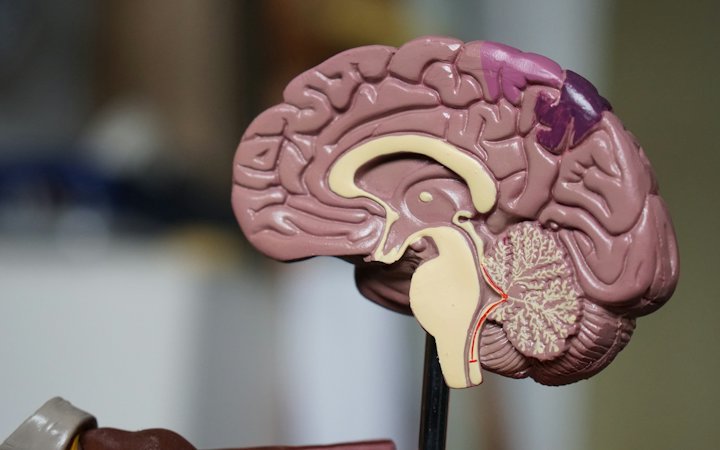
Sleep apnoea is very common, especially in men, in people who are overweight and in women after the menopause, but many cases remain undiagnosed. It sits at the crossroads of neurology, respiratory medicine, cardiology and ENT – see also our neurological diseases guide.
Symptoms of sleep apnoea
At night:
- loud, irregular snoring;
- pauses in breathing followed by snorting or choking, noticed by a partner;
- waking up feeling breathless;
- getting up often to pass urine;
- restless sleep and night sweats.
During the day:
- marked sleepiness – dozing off in front of the TV, in meetings or even at the wheel;
- morning headaches and a dry mouth;
- tiredness despite spending enough time in bed;
- poor concentration, memory problems, irritability and low mood;
- reduced sex drive.
In children, sleep apnoea may show as snoring, mouth breathing, restless sleep, hyperactivity and learning difficulties – often because of enlarged tonsils and adenoids.
Risk factors and consequences
The risk is higher with:
- excess weight, especially a large neck circumference (see obesity);
- male sex, older age and the menopause;
- anatomical features – a narrow airway, large tongue, small or set-back lower jaw, enlarged tonsils, a blocked nose;
- alcohol and sedatives in the evening, and smoking;
- sleeping on your back.
Untreated moderate and severe sleep apnoea is linked with high blood pressure (often hard to control), atrial fibrillation, heart disease, stroke, type 2 diabetes, depression, memory problems and a higher risk of road accidents due to sleepiness.
Polysomnography and other sleep tests
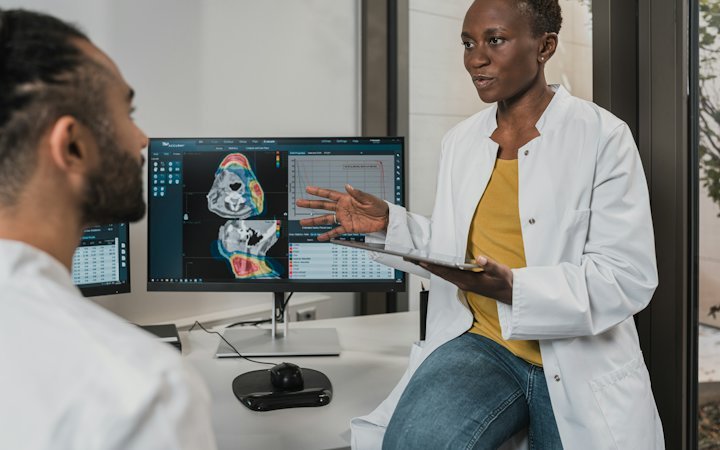
Snoring alone is not enough for a diagnosis – a sleep study is needed, arranged by a specialist (neurologist, respiratory physician, ENT surgeon or sleep medicine specialist).
| Test | How it is done | What it records |
|---|---|---|
| Polysomnography (PSG) | A night in a sleep laboratory, monitored by a technician | Brain activity (EEG), eye and muscle movements, airflow, breathing effort, blood oxygen, pulse, body position, snoring |
| Home sleep apnoea test | A portable device used at home | Airflow, breathing effort, oxygen, pulse |
Polysomnography is the "gold standard" and is particularly useful when the picture is unclear, when other sleep disorders are suspected (narcolepsy, restless legs, behaviour disorders during sleep), or when there are significant heart or neurological conditions. A home test is convenient when obstructive sleep apnoea is highly likely and there are no other serious illnesses.
Results are expressed as the apnoea-hypopnoea index (AHI) – the number of apnoeas and hypopnoeas per hour of sleep. In adults the usual categories are: under 5 – normal; 5–14 – mild; 15–29 – moderate; 30 or more – severe. The doctor interprets the result together with your symptoms and other conditions.
Treatment for sleep apnoea
Treatment depends on severity, symptoms and underlying causes:
- CPAP therapy – a machine that delivers air at gentle positive pressure through a mask, keeping the airway open. It is the most effective treatment for moderate and severe sleep apnoea, usually reducing snoring and sleepiness and helping blood pressure control. It takes some patience and a well-fitted mask; benefits depend on using it every night.
- Mandibular advancement devices – custom-made by a dentist to move the lower jaw slightly forward. Suitable for mild to moderate apnoea or when CPAP is not tolerated.
- Weight loss – can substantially reduce the severity of apnoea. In severe obesity, bariatric surgery is sometimes discussed.
- Positional therapy – when apnoea occurs mainly when sleeping on the back.
- Surgery – when there is a clear anatomical cause (tonsils, nose, jaw), or hypoglossal nerve stimulation in selected patients.
Avoiding alcohol and sedatives in the evening, stopping smoking and keeping regular sleep hours are also recommended. Central apnoea is managed by treating the underlying cause and, where needed, with specialised ventilation devices.
Sleep apnoea and driving
Severe daytime sleepiness is dangerous at the wheel. In many European countries, moderate or severe sleep apnoea with marked sleepiness is taken into account for driving licences until it is effectively treated. If you feel sleepy while driving, stop driving and see a doctor.
When to see a doctor
See your GP, who can refer you to a neurologist, respiratory physician or ENT specialist, if:
- you snore loudly and your partner has noticed pauses in your breathing;
- you are sleepy during the day, nod off without meaning to, or have nearly fallen asleep while driving;
- you have hard-to-control blood pressure, atrial fibrillation or have had a stroke;
- you wake up breathless or with headaches.
If you notice sudden weakness on one side, a drooping face or slurred speech, call 112 immediately – this may be a stroke. At a routine health check-up, mention snoring and sleepiness, as they are easily overlooked.
Sleep studies abroad / in Türkiye
Waiting times for a sleep study vary between countries and centres. Some patients from Bulgaria and the rest of Europe have their sleep study and treatment planning done in large accredited hospital groups in Istanbul with sleep laboratories and teams of neurologists, respiratory physicians and ENT surgeons.
If you are considering this, check whether you will have full polysomnography or a home test, who will interpret the results, whether you will receive a written report, and how your CPAP machine will be set up and followed up once you are home. New City Clinic in Istanbul coordinates hospital, doctor, hotel, transfers and interpreter, while treatment decisions are made by the doctors.
Frequently asked questions
Does all snoring mean sleep apnoea?
No. Many people snore without pauses in breathing. Snoring is more concerning when it is loud and irregular, with pauses and choking, and combined with daytime sleepiness or high blood pressure.
Is polysomnography painful?
No. Sensors are placed on the body and head and only record signals. Most people sleep well enough for a reliable result.
Will I need CPAP for the rest of my life?
CPAP controls apnoea while it is used but does not cure it. After significant weight loss or treatment of an anatomical cause, your doctor may reassess the need for the machine with a new sleep study.
Can sleep apnoea cause a stroke?
Untreated moderate and severe sleep apnoea is linked with a higher risk of high blood pressure, atrial fibrillation and stroke. Treating it is part of good prevention.
Sources
This article is for education and does not replace consultation, diagnosis or treatment by a doctor. In an emergency call 112.