IVF (in vitro fertilisation): how it works step by step
In vitro fertilisation (IVF) is a form of assisted reproduction in which eggs are fertilised in a laboratory and an embryo is then placed in the womb. It has helped millions of people to have children, but it involves several stages, medicines and an emotional journey. Here is what to expect and which questions to ask.
What is IVF?
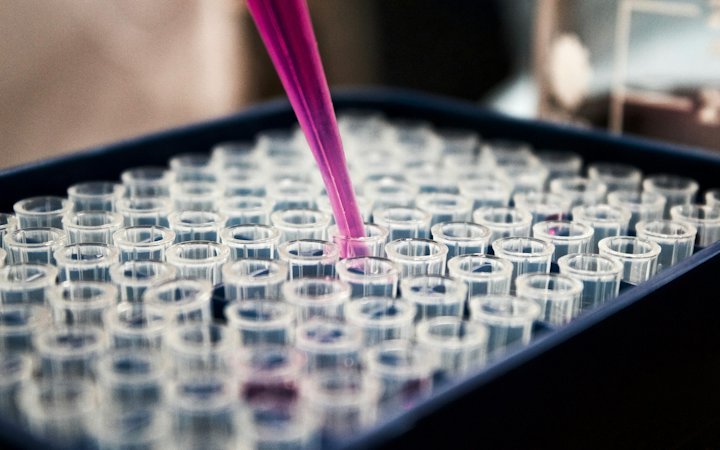
“In vitro” means “in glass”: fertilisation takes place in the laboratory rather than in the body. In conventional IVF, eggs and sperm are placed together and fertilisation happens naturally. In ICSI (intracytoplasmic sperm injection), an embryologist injects a single sperm directly into each egg; this is used for male-factor infertility and is now routine in many clinics.
Infertility is usually diagnosed when a couple has not conceived after 12 months of regular unprotected sex (six months if the woman is over 35). The World Health Organization estimates that about 1 in 6 people of reproductive age experience infertility at some point.
Who is IVF for?
IVF is not always the first step. Depending on the cause, a doctor may first suggest treating an underlying condition, ovulation induction or intrauterine insemination (IUI). IVF is usually recommended for:
- blocked or damaged fallopian tubes, including after an ectopic pregnancy;
- significant male-factor problems – low sperm count, poor motility or abnormal sperm;
- endometriosis, especially when the ovaries or tubes are affected;
- ovulation problems that have not responded to simpler treatment;
- low ovarian reserve or increasing female age;
- unexplained infertility after simpler treatments have failed;
- inherited genetic conditions, when embryos need genetic testing;
- fertility preservation before chemotherapy or other treatment that may harm the ovaries.
Tests before IVF
Both partners are assessed:
- the woman – pelvic examination and transvaginal ultrasound (antral follicle count, womb and ovaries), hormone tests early in the cycle, AMH (anti-Müllerian hormone) for ovarian reserve, thyroid function, checks of the tubes and womb cavity where needed, and cervical screening including HPV testing if due;
- the man – semen analysis and, where needed, hormone or genetic tests and a urology review;
- both – screening for HIV, hepatitis B and C and syphilis, blood group, a full blood count and genetic counselling if indicated.
Before starting, it helps to stop smoking, cut down on alcohol, reach a healthier weight and get long-term conditions such as diabetes under control. Women are usually advised to take folic acid for at least a month beforehand.
The IVF process step by step
- Ovarian stimulation – around 8–14 days of hormone injections to grow several follicles rather than one. Progress is monitored with ultrasound scans and blood tests. Modern antagonist protocols allow a flexible and safer approach.
- Trigger injection – a final injection matures the eggs; collection is timed for about 34–36 hours later.
- Egg collection – under sedation or a short anaesthetic, a fine needle guided by ultrasound is passed through the vaginal wall to drain the follicles. It usually takes 15–30 minutes.
- Fertilisation – on the same day by IVF or ICSI. Embryologists monitor the embryos in an incubator, often until day 5 (the blastocyst stage).
- Embryo transfer – a painless procedure in which a thin catheter places the embryo in the womb. Increasingly, a single embryo is transferred to reduce the risk of twins or triplets.
- Freezing – good-quality embryos not transferred can be vitrified for later use. Sometimes all embryos are frozen and transferred in a later cycle.
- Pregnancy test – a blood test for hCG about 9–12 days after transfer.
What affects the chance of success?
The chance of having a baby from one IVF cycle depends above all on the age of the woman whose eggs are used: it is highest under 35 and falls markedly after 40, as egg numbers and quality decline. The cause of infertility, embryo quality, the health of the womb, body weight, smoking and the quality of the laboratory also play a part.
Treat success-rate figures with care – clinics may report them per cycle started, per transfer, per pregnancy or per live birth. The most meaningful figure is the cumulative live birth rate per egg collection, including frozen embryos, for your age group. In the UK, the regulator HFEA publishes independent clinic data. No clinic can guarantee a pregnancy.
Risks and side effects
- Ovarian hyperstimulation syndrome (OHSS) – bloating, pain and fluid retention; severe cases are rare with modern protocols but need urgent assessment.
- Multiple pregnancy – carries a higher risk of premature birth; reduced by transferring one embryo.
- Bleeding or infection after egg collection – uncommon.
- Ectopic pregnancy and miscarriage – the risk is similar to or slightly higher than after natural conception.
- Emotional strain – waiting and unsuccessful cycles are hard; counselling is part of good care.
Lifestyle and emotional support
There is no special “IVF diet”, but balanced eating, a healthy weight, moderate physical activity and enough sleep support both partners. Smoking reduces egg numbers and sperm quality, so stopping is one of the most useful steps you can take. Keep alcohol and caffeine low. IVF can be emotionally exhausting: talk openly with your partner, consider counselling or a support group, and do not hesitate to take a break between cycles if you need one.
When to see a fertility specialist
Ask for a referral if:
- you have not conceived after 12 months of trying (six months if the woman is over 35, or straight away if over 40);
- you have irregular or absent periods, known endometriosis, fibroids or previous surgery on the ovaries or tubes;
- you have had more than one miscarriage;
- the male partner has a known sperm problem or previous testicular surgery or treatment.
During stimulation, contact your clinic urgently if you develop severe abdominal pain, rapid weight gain, breathlessness or pass much less urine than usual.
IVF abroad and in Türkiye
Some couples from Europe have IVF at licensed centres in Istanbul. Turkish law is strict: IVF is only permitted for married couples using their own eggs and sperm, and egg, sperm and embryo donation as well as surrogacy are prohibited. Check the centre’s licence, the doctor’s and laboratory’s experience, the written protocol and how monitoring scans will be coordinated at home. Organisers such as New City Clinic help with the link to the centre, hotel, transfers and an interpreter. Practical details are covered in IVF in Turkey. If you live in an EU country, ask your health insurer in advance whether any part of the cost can be reimbursed.
Frequently asked questions
Does egg collection hurt?
Egg collection is usually done under sedation or a short general anaesthetic, so you should not feel it. Mild cramping and bloating for a day or two afterwards are common and settle with simple painkillers.
How long does one IVF cycle take?
From the start of stimulation to embryo transfer usually takes 2–3 weeks, and the pregnancy test follows 9–12 days later. Pre-treatment tests can add a few more weeks.
How many embryos are transferred?
Current best practice is usually to transfer one embryo to avoid the risks of twins or triplets. Your doctor may discuss transferring two in specific situations.
Does IVF increase the risk of cancer?
Large studies so far have not shown a clearly increased risk of breast or ovarian cancer after IVF. Regular screening remains important for every woman.
Should I rest in bed after embryo transfer?
Bed rest does not improve the chance of pregnancy. Most women can return to light daily activities the same day, avoiding strenuous exercise as advised by their clinic.
Sources
This article is for education and does not replace consultation, diagnosis or treatment by a doctor. In an emergency call 112.