Angina: chest pain symptoms, types and treatment
Angina is chest pain or tightness that happens when the heart muscle does not get enough blood – usually because the coronary arteries are narrowed. It is a warning sign of coronary heart disease and needs attention, because new or worsening angina can come before a heart attack.

What is angina?
The heart gets its oxygen through the coronary arteries. When fatty plaques build up inside them, the arteries narrow. At rest, blood flow may be enough, but during exertion, cold weather, a heavy meal or emotional stress the heart needs more oxygen – and that is when pain appears. Angina is a sign of coronary heart disease, part of the wider group of heart diseases.
Less often, angina is caused by spasm of a coronary artery or by disease of the tiny blood vessels (microvascular angina), which is more common in women. Sometimes the cause is a narrowed aortic valve – see heart valve disease.
The main risk factors for coronary heart disease are smoking, high blood pressure, raised cholesterol, diabetes, obesity, physical inactivity, long-term stress and a family history of heart attack or early heart disease in close relatives. Risk rises with age, and in women it increases after the menopause. The more risk factors you have, the more seriously you should take chest pain on exertion, even if it seems mild and passes quickly.
Types of angina
| Type | Features | What to do |
|---|---|---|
| Stable angina | Comes on predictably with a certain level of effort, lasts a few minutes, eases with rest or GTN | Routine appointment with your GP and cardiologist |
| Unstable angina | New pain, pain at rest, or pain that is stronger, longer or more frequent than usual | Emergency – call 112 |
| Vasospastic angina | Pain at rest, often at night or early morning, due to artery spasm | Cardiology assessment; urgent assessment the first time |
| Microvascular angina | Pain on exertion with normal large arteries, more common in women | Specialist tests with a cardiologist |
Unstable angina and heart attack are grouped together as acute coronary syndrome, which needs immediate hospital treatment.
Angina symptoms
Typical symptoms are:
- tightness, pressure, heaviness or burning behind the breastbone;
- pain spreading to the left arm, both arms, the neck, jaw, back or upper abdomen;
- breathlessness, sweating or nausea;
- coming on with exertion or emotion and easing within one to five minutes of rest.
In women, older people and people with diabetes, symptoms are often atypical – just breathlessness, unusual tiredness, or discomfort in the stomach or jaw. Any new, unexplained chest pain or discomfort should be checked by a doctor.
When chest pain is an emergency – call 112
Call 112 (or your local emergency number) straight away if:
- chest pain comes on at rest or wakes you from sleep;
- the pain is new – you have never had it before;
- your known angina is getting worse – more frequent, triggered by less effort, stronger or longer-lasting;
- the pain lasts more than 10–15 minutes or does not settle after GTN used as your doctor advised;
- it comes with severe breathlessness, a cold sweat, nausea, light-headedness or fainting.
Do not drive yourself to hospital. Sit down and rest until help arrives. If you are not allergic and have not been told to avoid it, the call handler may advise you to chew an aspirin. These symptoms can mean a heart attack, where every minute counts.
How angina is diagnosed
For stable symptoms, the doctor assesses your risk factors and the likelihood of coronary disease, then arranges tests:
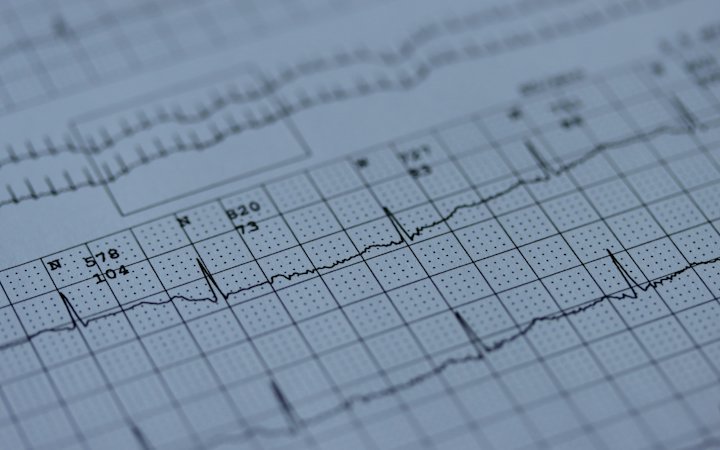
- a resting ECG and blood tests – cholesterol, glucose, blood count and kidney function; troponin if pain is acute;
- an echocardiogram to assess heart and valve function;
- CT coronary angiography – a non-invasive picture of the coronary arteries, especially useful when the likelihood is low to moderate (see MRI and CT scans);
- functional tests – stress echocardiography, myocardial perfusion scanning or stress MRI, showing whether a narrowing limits blood flow; an exercise ECG is still used in some cases;
- invasive coronary angiography – for high risk, severe symptoms or when a stent or bypass is being considered.
Angina treatment
Treatment has two aims: to relieve symptoms and to lower the risk of heart attack and death.
- GTN (glyceryl trinitrate) spray or tablets under the tongue for attacks and before known triggers.
- Anti-anginal medicines – beta-blockers, calcium channel blockers, long-acting nitrates and others, chosen according to heart rate, blood pressure and other conditions.
- Preventing heart attack – an antiplatelet (usually aspirin), a statin and, if needed, other treatments to lower cholesterol, plus control of blood pressure and diabetes.
- Revascularisation – a stent (percutaneous coronary intervention) or bypass surgery when symptoms are not controlled by medicines or when narrowings are high-risk, for example in the left main artery or several vessels.
The choice between medicines, stenting and bypass is individual and is often made by a "heart team" of cardiologist and cardiac surgeon together.
Lifestyle changes
Lifestyle is the foundation of treatment:
- stop smoking completely;
- follow a Mediterranean-style diet – more vegetables, fruit, pulses, fish and olive oil, less salt and processed food (see a heart-healthy diet);
- stay active with regular exercise adapted to your symptoms – cardiac rehabilitation is very helpful;
- keep to a healthy weight;
- limit alcohol, manage stress and sleep well;
- have a flu vaccine every year.
Always carry your GTN with you and check its expiry date.
When to see a doctor
See your GP if you get chest tightness or pain on exertion that eases with rest, or unusual breathlessness when active. They will do an ECG, assess your risk factors and refer you to a cardiologist. If you already have angina, tell your doctor about any change in the pattern.
Remember: chest pain at rest, new chest pain or worsening angina is an emergency – call 112.
Angina treatment abroad and in Türkiye
Some patients from Bulgaria and elsewhere in Europe seek a second opinion, coronary angiography, stenting or bypass surgery at large accredited hospital groups in Istanbul. This is only appropriate for planned treatment of a stable condition – acute chest pain must be treated immediately at the nearest hospital. Before deciding, check the cardiologist's and cardiac surgeon's experience, ask for a written plan, and agree how your medicines and follow-up will continue at home. Organisers such as New City Clinic coordinate the hospital, doctor, hotel, transfers and interpreter, while medical decisions remain with the treating team. See also heart surgery in Turkey.
Frequently asked questions
What is the difference between angina and a heart attack?
In angina, blood flow to the heart is temporarily not enough, but the muscle is not damaged and the pain eases with rest. In a heart attack, an artery is blocked and part of the muscle is damaged. Pain that does not ease or comes on at rest should be treated as a possible heart attack – call 112.
Is stable angina dangerous?
Stable angina shows that coronary heart disease is present, which raises the risk of a heart attack. Medicines, lifestyle changes and, when needed, a stent or bypass can reduce that risk considerably. Regular follow-up is important.
How should I use my GTN spray?
Sit down and use the dose under your tongue as your doctor advised. If the pain does not ease after the first dose or gets worse, call 112. Do not use GTN if you have recently taken medicines for erectile dysfunction without checking with a doctor.
Will I need a stent?
Not always. Many people with stable angina are treated successfully with medicines alone. A stent or bypass is recommended for uncontrolled symptoms or high-risk narrowings. The decision is made individually with your cardiologist.
Could my chest pain be something else?
Yes – muscles and joints, acid reflux, lung problems or anxiety can all cause chest pain. Even so, chest pain should never be self-diagnosed. New or unusual pain needs a medical assessment, and an urgent one if in doubt.
Sources
This article is for education and does not replace consultation, diagnosis or treatment by a doctor. In an emergency call 112.