ECG (electrocardiogram): how it is done, what it shows and when you need one
An electrocardiogram (ECG, sometimes EKG) is the simplest and most widely used heart test. It takes a few minutes, is painless and can reveal rhythm problems, signs of a heart attack and other changes. Here we explain how an ECG is recorded, the different types and what the common terms in a report mean.
What is an ECG?
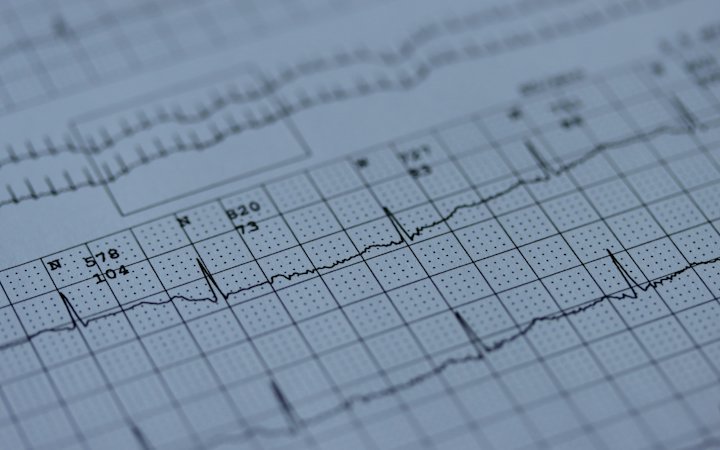
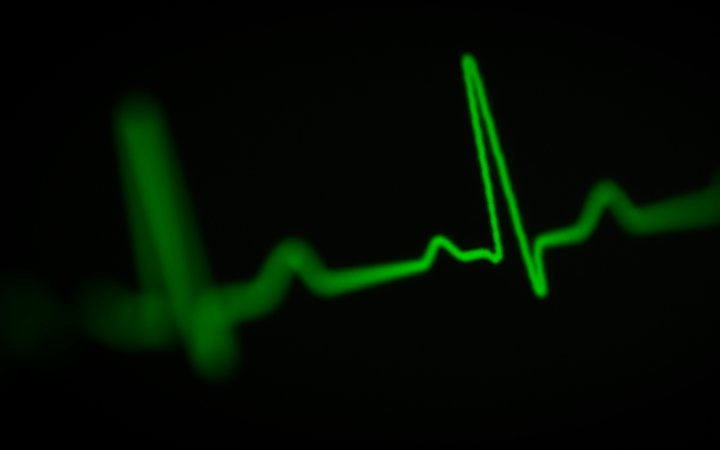
Each heartbeat is triggered by an electrical impulse that starts in the sinus node and spreads through the upper chambers (atria) and lower chambers (ventricles). An electrocardiogram records this activity as a trace with characteristic waves – P, QRS and T. Changes in their shape, timing and rhythm tell the doctor what is happening in the heart muscle and its wiring.
The ECG is a cornerstone of cardiology and part of the assessment of almost every form of heart disease. It is cheap, quick and can be repeated as often as needed, and keeping copies of your tracings is useful for comparison later.
In simple terms, the P wave reflects activation of the atria, the QRS complex activation of the ventricles, and the T wave their recovery before the next beat. The gaps between the waves show how quickly the impulse travels through the conduction system. From one tracing, a doctor can therefore assess rhythm, rate, conduction and the state of the heart muscle.
How an ECG is done
A standard 12-lead ECG uses 10 electrodes – one on each arm and leg and six across the chest. You lie still for a few minutes while the machine records. It does not hurt and involves no radiation; the machine only “listens” to the heart’s own electrical signals.
- No special preparation is needed; avoid body lotion on your chest on the day.
- Small areas of chest hair may be shaved so the electrodes stick.
- Lie still and avoid talking during the recording, because muscle movement disturbs the trace.
- Tell the staff which medicines you take, as some affect the ECG.
In Bulgaria an ECG can be recorded by your GP, a cardiologist, the emergency services and hospitals; it is often part of routine adult check-ups.
What an ECG can show
An ECG can show or point towards:
- Rhythm problems – atrial fibrillation, extra beats, fast and slow rhythms. See arrhythmia for more.
- An acute heart attack – typical changes in the ST segment; the ECG is the first test for chest pain. See heart attack.
- Reduced blood supply and old heart attacks – T-wave changes and pathological Q waves.
- Thickened heart muscle (hypertrophy) – for example after years of high blood pressure or with a narrowed aortic valve (heart valve disease).
- Conduction blocks – heart block and bundle branch block.
- A long QT interval – inherited or caused by medicines, and linked to dangerous arrhythmias.
- Electrolyte disturbances – such as high or low potassium.
An ECG does not directly show narrowed coronary arteries and says little about valve function or pumping strength. For these, doctors use echocardiography, stress tests and coronary angiography.
Types of ECG test
| Test | How it works | Typical use |
|---|---|---|
| Resting ECG | A few minutes’ recording lying down | First assessment, chest pain, palpitations, before surgery |
| Exercise ECG (treadmill or bike) | Recording while exercise is gradually increased | Suspected angina, exercise capacity |
| Holter monitor | Small portable recorder worn for 24–48 hours, sometimes up to 7 days | Intermittent palpitations, dizziness, looking for arrhythmias |
| Event recorder and implantable loop recorder | Records during symptoms; an implantable device sits under the skin for months or years | Rare episodes, unexplained fainting, looking for atrial fibrillation after a stroke |
Smartwatches and some handheld devices can record a single-lead ECG. They sometimes help catch an irregular rhythm, but they do not replace a standard 12-lead ECG interpreted by a doctor.
Understanding the report
Common terms on an ECG report include:
- Sinus rhythm – the normal rhythm set by the sinus node.
- Heart rate – in adults at rest usually 60–100 beats per minute; fit people may have a lower rate that is normal for them.
- Axis – the overall direction of electrical activity; a shift matters only alongside other findings.
- PR, QRS and QT intervals – the duration of parts of each beat; prolongation may suggest heart block or a medicine effect.
- Non-specific ST-T changes – often harmless, but sometimes worth further tests.
The automatic interpretation printed by the machine can be wrong. The final reading belongs to a doctor, who compares the tracing with your symptoms and any earlier ECGs.
Who needs an ECG?
An ECG is recorded for heart-related symptoms and for certain conditions and treatments:
- chest pain or tightness, breathlessness on exertion, palpitations, dizziness or fainting;
- high blood pressure, diabetes, raised cholesterol and other risk factors – at first assessment and then as your doctor advises;
- before surgery under general anaesthetic in older people or those with heart disease;
- when taking medicines that can affect heart rhythm;
- in athletes – some sports bodies include an ECG in pre-participation screening.
International guidelines generally do not recommend routine ECGs for healthy people with no symptoms and no risk factors. A sensible health check-up tailors tests to your age and risk.
When to see a doctor or call an ambulance
See your GP or a cardiologist if you notice palpitations, an irregular pulse, breathlessness with ordinary activity, ankle swelling or dizzy spells. If treatment is needed – medication, ablation, a stent or surgery – our heart disease section explains the options.
Call 112 immediately if you have:
- severe, crushing or burning chest pain lasting more than a few minutes, especially spreading to the arm, jaw or back;
- sudden breathlessness, cold sweat, nausea and weakness;
- fainting, particularly during exertion;
- signs of stroke – a drooping face, weakness in an arm or leg, slurred speech.
In a heart attack every minute counts, so do not drive yourself to hospital or wait to see whether it passes.
Heart tests abroad
Some patients from Bulgaria combine a detailed cardiac work-up – ECG, echocardiogram, exercise test and Holter – with a consultation at a large hospital in Istanbul, either before planned heart treatment in Turkey or as a second opinion. New City Clinic arranges such assessments in partner hospitals with cardiology departments and coordinates appointments and interpreting. Ask for copies of the tracings and a written report in English so that your cardiologist at home can compare them at future visits.
Frequently asked questions
Does an ECG hurt or involve radiation?
No. The electrodes only record the heart’s electrical signals and do not send electricity or radiation into the body. You may feel a slight tug when the sticky pads are removed.
Does a normal ECG mean my heart is healthy?
Not necessarily. A resting ECG can be normal in angina, intermittent arrhythmias or valve disease. If symptoms continue, your doctor may arrange an exercise test, a Holter monitor or an echocardiogram.
What is the difference between an ECG and an echocardiogram?
An ECG records the heart’s electrical activity and rhythm. An echocardiogram is an ultrasound scan that shows the heart’s structure, valves and pumping function. The two tests complement each other.
How long do I wear a Holter monitor?
Usually 24 or 48 hours, and up to 7 days or longer if symptoms are infrequent. You keep a diary of symptoms and activities so the doctor can match them to the recording.
Can a smartwatch replace an ECG?
No. Some watches record a single-lead ECG and may flag atrial fibrillation, but they do not replace a standard 12-lead ECG. If your device shows an irregular rhythm, discuss it with a doctor.
Sources
This article is for education and does not replace consultation, diagnosis or treatment by a doctor. In an emergency call 112.