PSA test: when to have one and how to understand your result
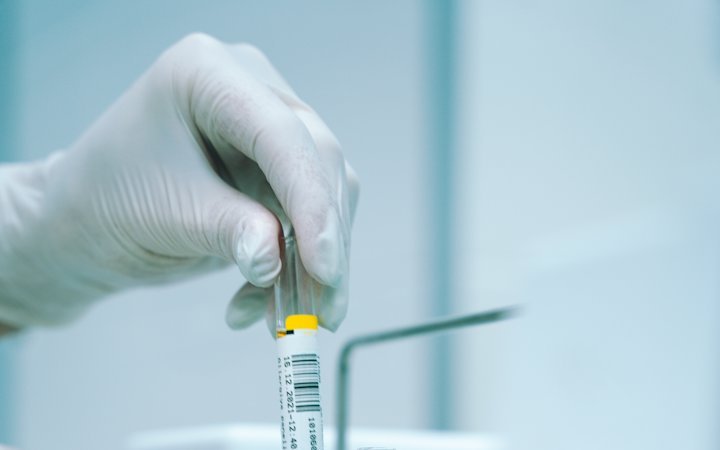
PSA (prostate-specific antigen) is a protein made by the prostate gland that can be measured with a simple blood test. A raised PSA can be an early sign of prostate cancer, but far more often it has a harmless cause. That is why deciding whether to have the test, and what a result means, is best done with a doctor.
What is PSA?
Prostate-specific antigen is an enzyme produced by prostate cells and released into semen. A small amount leaks into the bloodstream, where it is measured in nanograms per millilitre (ng/ml). The bigger or more irritated the prostate, the more PSA tends to appear in the blood.
PSA is specific to the prostate, but not to cancer. Levels rise with benign prostate enlargement, prostatitis, after some medical procedures and with prostate cancer. Equally, some cancers occur with a normal PSA.
The test is used in three ways: to look for early cancer in men without symptoms, to investigate urinary or other symptoms, and to monitor men after prostate cancer treatment.
Who should consider a PSA test?
Most European countries do not have organised population PSA screening. European Association of Urology guidance supports an informed, individual approach: men receive balanced information about benefits and harms and decide together with their doctor.
A conversation about PSA testing is generally suggested for:
- men over 50 in good general health;
- men from around 45 whose father or brother had prostate cancer;
- men from around 40–45 who carry a BRCA2 variant or are of Black African or Caribbean ancestry;
- any man with urinary symptoms, bone pain, or blood in the urine or semen.
For men with limited life expectancy or serious other illnesses, the benefit of early detection is usually small.
Benefits and drawbacks
| Possible benefits | Possible drawbacks |
|---|---|
| Finding aggressive cancer earlier, while it is treatable | False alarms and anxiety |
| Lower chance of diagnosis at an advanced stage | Finding slow cancers that would never cause harm (overdiagnosis) |
| Option of active surveillance rather than immediate treatment | Side effects of biopsy and treatment, such as incontinence or erectile problems |
Modern practice – MRI before biopsy and active surveillance for low-risk cancer – reduces many of these drawbacks. The test makes most sense as part of a clear plan rather than as a one-off number.
What affects PSA levels?
Before the test it helps to avoid things that can temporarily push PSA up:
- ejaculation in the previous 48 hours;
- vigorous cycling in the previous 48 hours;
- a recent rectal examination, cystoscopy or urinary catheter;
- an active urine infection or prostatitis – testing is usually postponed for several weeks after treatment.
Some medicines lower PSA. 5-alpha-reductase inhibitors, used for an enlarged prostate, roughly halve the reading, which your doctor needs to take into account. Tell the doctor about all medicines and supplements you take.
How PSA results are interpreted
There is no single level below which PSA is guaranteed to be normal. PSA rises with age and prostate size, so a urologist looks at several things together:
- the actual value in relation to your age;
- the trend – how quickly PSA changes between tests;
- PSA density – PSA divided by prostate volume measured on ultrasound or MRI;
- free-to-total PSA ratio – a lower proportion of free PSA is more suspicious;
- additional blood or urine tests and risk calculators that combine age, family history, examination findings and prostate size.
A single mildly raised result is usually repeated after a few weeks, ideally in the same laboratory, because readings vary. PSA belongs to the wider family of tumour markers, none of which can diagnose cancer on its own.
What happens if your PSA is raised?
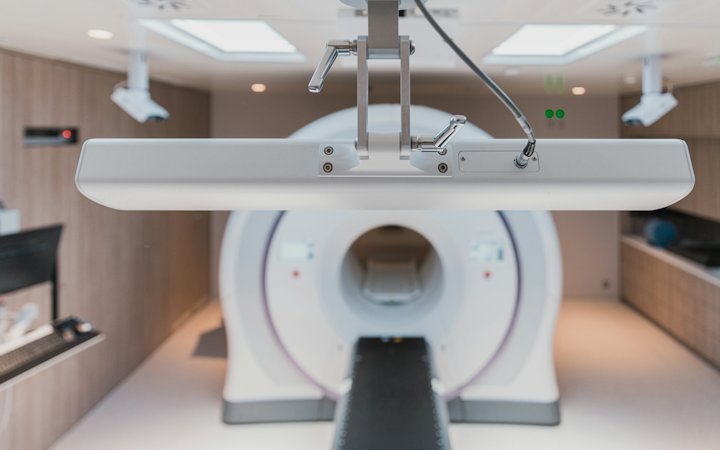
If a raised PSA is confirmed, the usual next step today is a multiparametric MRI scan of the prostate. It shows whether there are suspicious areas and helps decide whether a biopsy is needed. You can read more about the scan in our guide to MRI and CT.
If the MRI shows a suspicious area, a targeted biopsy is taken – increasingly through the skin between the scrotum and anus (transperineal), which lowers the risk of infection. If the MRI is normal and overall risk is low, the doctor may suggest PSA monitoring instead.
If cancer is found, treatment depends on how aggressive it is (Gleason/ISUP grade), the stage, your age and your preferences. Options include active surveillance, robotic prostatectomy, radiotherapy and other approaches covered in our prostate cancer guide.
PSA after prostate cancer treatment
After radical prostatectomy, PSA usually drops to almost undetectable levels within weeks; after radiotherapy it falls more slowly. Regular tests allow a recurrence to be picked up early, often years before any symptoms. A rising PSA after treatment is called biochemical recurrence and should be discussed with your specialist, sometimes with a PSMA PET-CT scan to locate the source.
PSA, examination and symptoms
PSA is rarely interpreted on its own. A urologist usually combines the blood test with a digital rectal examination – a brief check with a gloved finger to feel the size, texture and any hard areas of the prostate. A firm or irregular area may prompt an MRI even when PSA is relatively low.
Many men first have a PSA test because of urinary symptoms: needing to pass urine more often, especially at night, a weak stream, a feeling of not emptying fully or sudden urgency. In most cases these symptoms are caused by benign enlargement rather than cancer. Early prostate cancer usually causes no symptoms at all, which is exactly why testing is discussed with men who feel well.
PSA may also be offered as part of a broader health check-up. If so, ask whether a urologist will explain the result to you rather than just sending you a number.
When to see a doctor, and testing abroad
See your GP or a urologist if you are at an age to discuss PSA testing, have a family history of prostate cancer, have a raised or rising PSA, or notice difficulty passing urine, blood in your urine or semen, bone pain or unexplained weight loss. Being unable to pass urine with pain needs urgent care.
Some men from Bulgaria and elsewhere in Europe have prostate MRI, targeted biopsy or treatment at large accredited hospitals in Istanbul, sometimes as part of a health check-up in Türkiye. Check the urologist's and radiologist's experience, the biopsy technique, that you receive a written report, and how follow-up will work at home. New City Clinic in Istanbul coordinates hospital, doctor, accommodation, transfers and an interpreter; medical decisions are made by the doctors.
Frequently asked questions
What is a normal PSA level?
There is no single cut-off for every man. Normal ranges depend on age, prostate size and the laboratory. Your doctor interprets the result together with the trend, PSA density and your other risk factors.
Does a high PSA mean cancer?
Not necessarily. Benign enlargement and inflammation of the prostate are the most common causes. Only a minority of men with a raised PSA have cancer, which is why the test is repeated and an MRI is done before deciding on a biopsy.
Should I avoid cycling or sex before the test?
It is usually advised to avoid vigorous cycling and ejaculation for about 48 hours before the blood test, as both can temporarily raise PSA.
How often should PSA be checked?
It depends on your first result and your risk profile. With a low reading the interval may be several years; with a higher reading or a family history it is shorter. Your urologist will advise you.
Can prostate cancer occur with a normal PSA?
Yes, occasionally. If you have symptoms or the doctor finds something on examination, further tests may be arranged even when PSA is normal.
Sources
This article is for education and does not replace consultation, diagnosis or treatment by a doctor. In an emergency call 112.