Cancer care · Complete guide
Prostate cancer: symptoms, PSA testing, diagnosis and treatment options
Prostate cancer is one of the most common cancers in men in Europe. Many prostate cancers grow slowly and can simply be monitored, while others need active treatment. Modern diagnosis using PSA and MRI makes it possible to tell harmful from harmless tumours more accurately and to avoid unnecessary treatment.

What the prostate is and what prostate cancer means
The prostate is a small, walnut-sized gland that sits below the bladder and surrounds the first part of the urethra. It produces some of the fluid in semen. With age, the prostate often enlarges in a non-cancerous way (benign prostatic hyperplasia), which is not cancer and does not turn into cancer.
Prostate cancer develops when cells in the gland start to grow out of control. Almost all cases are adenocarcinomas. A key feature is that many tumours grow very slowly and may never cause problems during a man's lifetime, while others are aggressive and can spread to the lymph nodes and bones.
The central task in modern urology and oncology is therefore to separate clinically significant cancer, which needs treatment, from insignificant cancer, where treatment could do more harm than good.
Risk factors
The established risk factors are ones you cannot change:
- Age – risk rises sharply after 50, and most cases are diagnosed after 65.
- Family history – a father or brother with prostate cancer, especially if diagnosed before 60, increases risk.
- Inherited mutations – for example in BRCA2 and BRCA1 (the same genes linked to breast and ovarian cancer in women) and in Lynch syndrome.
- Ethnic background – men of Black African or Caribbean heritage have a higher risk and more often have aggressive disease.
Obesity and smoking are associated with more aggressive disease and a poorer outlook. A healthy diet, a normal body weight and regular exercise are good for overall health, although they cannot guarantee protection. See also our guide to cancer prevention.
Prostate cancer symptoms
Early prostate cancer usually causes no symptoms at all, because it tends to develop in the outer part of the gland, away from the urethra. When the tumour is larger or more advanced, possible symptoms include:
- difficulty passing urine, a weak or stop-start flow, or a feeling of not emptying the bladder fully;
- needing to urinate more often, especially at night;
- blood in the urine or semen;
- new erectile dysfunction;
- pain in the back, hips or pelvis if the cancer has spread to the bones;
- unexplained weight loss and tiredness.
Urinary symptoms in men over 50 are most often caused by benign prostate enlargement. They are still a good reason to see a doctor, and the visit is an opportunity to discuss a PSA test.
The PSA test and early detection
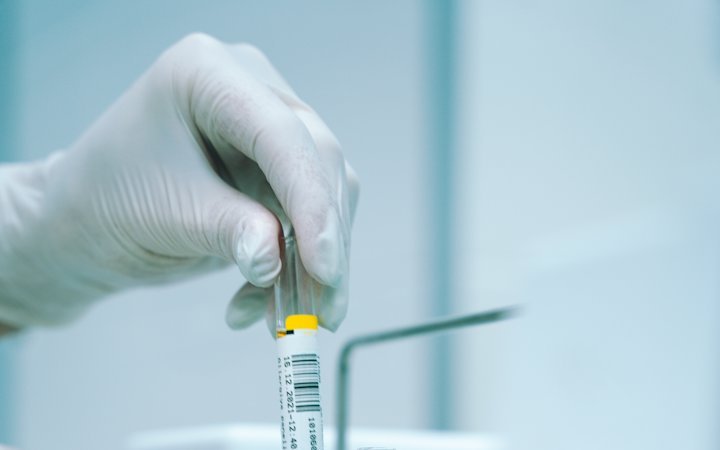
PSA (prostate-specific antigen) is a protein made by the prostate and measured with a simple blood test. A raised level can be a sign of cancer, but it can also be caused by benign enlargement, inflammation (prostatitis), a recent urine infection, vigorous cycling or ejaculation shortly before the test. PSA is therefore not a cancer test as such, but a signal that further assessment may be needed. Read more about the limits of blood markers in our article on tumour markers.
Population screening with PSA remains debated, because it can lead to the detection and treatment of cancers that would never have caused harm. The European Association of Urology recommends an informed, individual decision: men from about 50 (from 45 with a family history, and from 40 for BRCA2 carriers) should discuss the pros and cons with a doctor. The European Union encourages organised programmes combining PSA with MRI to reduce unnecessary biopsies.
For other proven screening programmes, see our article on early detection of cancer.
Diagnosis: MRI, biopsy and Gleason score
If your PSA is raised or the urologist feels an abnormality on rectal examination, the next step today is usually a multiparametric MRI of the prostate – see MRI and CT scans. Findings are scored on the PI-RADS scale from 1 to 5. If a suspicious area is seen, a targeted biopsy is taken, increasingly through the skin between the scrotum and anus (transperineal), which carries a lower risk of infection.
The pathologist grades how aggressive the tumour is using the Gleason score and the ISUP grade group (1 to 5). Together with PSA and stage, this defines the risk group:
| Risk group | Typical features | Common approach |
|---|---|---|
| Low risk | ISUP 1, PSA below 10, small localised tumour | Active surveillance |
| Intermediate risk | ISUP 2–3 or PSA 10–20 | Surgery or radiotherapy; surveillance for selected men |
| High risk | ISUP 4–5, PSA above 20 or locally advanced tumour | Radiotherapy with hormone therapy, or surgery as part of combined treatment |
| Metastatic | Spread to bones or distant lymph nodes | Systemic treatment |
For intermediate- and high-risk disease, staging scans are needed. A PSMA PET-CT scan is increasingly used, as it detects spread much more accurately than conventional CT and bone scans.
Treating localised prostate cancer
Active surveillance
For low-risk cancer, active surveillance is usually recommended – regular PSA tests, MRI scans and, when needed, repeat biopsies. The aim is to avoid the side effects of treatment that may never be needed, while keeping the chance of cure if the cancer starts to change. It is a carefully planned strategy, not a matter of doing nothing. For older men with significant other illnesses, a lighter approach called watchful waiting is sometimes chosen.
Radical prostatectomy
This operation removes the whole prostate and seminal vesicles, sometimes with the pelvic lymph nodes. Many centres now perform it using robotic surgery, which usually means less blood loss and a shorter hospital stay. Cancer control and functional results, however, depend mostly on the surgeon's experience. Possible effects include temporary or, less often, lasting urine leakage and erection problems; nerve-sparing techniques are used when appropriate.
Radiotherapy
External beam radiotherapy (IMRT or VMAT, sometimes stereotactic treatment in a few sessions) or brachytherapy (placing a radioactive source inside the prostate) are alternatives to surgery with similar chances of disease control in suitable men. For intermediate- and high-risk disease it is often combined with a period of hormone therapy. Possible side effects include bladder and bowel irritation and a gradual decline in erections.
Focal therapy
Techniques such as HIFU or cryotherapy, which treat only part of the prostate, are used for selected men, usually in specialist centres or clinical trials. Long-term data are still more limited than for surgery or radiotherapy.
Treating advanced and metastatic prostate cancer
Prostate cancer depends on male hormones to grow, so the backbone of treatment for advanced disease is androgen deprivation therapy (ADT) – injections that lower testosterone. For metastatic cancer, ADT is now almost always combined with a further medicine: a newer hormonal drug (next-generation anti-androgen) and/or chemotherapy, which significantly prolongs life.
When the disease progresses despite low testosterone (castration-resistant prostate cancer), options include other hormonal drugs, chemotherapy, PSMA-targeted radioligand therapy and, for men with mutations in BRCA or other DNA repair genes, PARP inhibitors. Genetic testing is therefore recommended in metastatic disease. Immunotherapy has a limited role and is used only for a small group of tumours with particular molecular features.
For bone metastases, bone-strengthening medicines are given and pain can be relieved with radiotherapy. Long-term hormone therapy can cause hot flushes, fatigue, loss of muscle and bone and increased cardiovascular risk; exercise and regular monitoring help reduce these effects. For general principles, see our guide to cancer treatment.
When to see a doctor
See your GP or ask for a referral to a urologist if you:
- have difficulty passing urine, need to go more often or have pain when urinating, especially at night;
- notice blood in your urine or semen;
- are over 50 (over 45 with a family history) and would like to discuss a PSA test;
- have persistent back or pelvic pain without an obvious cause.
Being completely unable to pass urine (acute urinary retention) needs urgent medical help. If you have been diagnosed and are choosing between surveillance, surgery and radiotherapy, it is very helpful to speak with both a urologist and a radiation oncologist, and to seek a second opinion if you are unsure.
After treatment, PSA is checked regularly – typically every three to six months in the early years, then less often. After prostatectomy it should fall to almost undetectable levels; a steady rise may signal a recurrence, which can often still be treated with salvage radiotherapy. Keep all your PSA results together, because the trend matters more than any single value.
Prostate cancer treatment abroad and in Türkiye
Many men from Bulgaria and across Europe seek treatment or a second opinion at large accredited hospital groups in Istanbul, where multiparametric MRI, transperineal targeted biopsy, PSMA PET-CT, robotic prostatectomy and modern radiotherapy are widely available. Before deciding, ask how many prostatectomies or radiotherapy courses the team performs each year, request a written plan that includes the expected effects on continence and erections, and agree who will monitor your PSA afterwards and how any hormone therapy will continue at home. New City Clinic in Istanbul is a health-tourism organiser that coordinates the hospital, doctor, hotel, transfers and interpreter; medical decisions remain with the treating team.
Frequently asked questions
Does a high PSA mean I have cancer?
Not necessarily. PSA can rise with benign prostate enlargement, inflammation, infection, cycling or recent ejaculation. If your result is raised, the doctor will usually repeat the test and arrange an MRI before deciding whether a biopsy is needed.
What is active surveillance and is it safe?
It means regular monitoring with PSA, MRI and, if needed, biopsy for low-risk cancer instead of immediate treatment. For carefully selected men it is safe and avoids the side effects of surgery or radiotherapy unless and until they become necessary.
Is surgery or radiotherapy better?
For localised cancer, both offer similar chances of controlling the disease in suitable men, but they differ in side effects and recovery. The choice depends on risk group, age, other health conditions and personal preference, and is best discussed with both a urologist and a radiation oncologist.
Will I still be able to have erections after treatment?
It is possible, but it depends on your function before treatment, the type of surgery or radiotherapy and your age. Medicines, devices and rehabilitation can help. Discuss realistic expectations with your doctor beforehand.
Should my sons be tested?
If you have prostate cancer, particularly if diagnosed before 60 or linked to a BRCA mutation, your sons and brothers have a higher risk. They can discuss earlier testing with their doctor, usually from around 45, or earlier if a mutation is confirmed.
Sources
This article is for education and does not replace consultation, diagnosis or treatment by a doctor. In an emergency call 112.