Bladder cancer: symptoms, cystoscopy and treatment options
Bladder cancer is one of the most common cancers of the urinary tract and mainly affects people over 55, more often men. Its most typical warning sign is painless blood in the urine. When it is found early, while still confined to the bladder lining, it can usually be treated without major surgery, but it needs long-term, regular follow-up.
What bladder cancer is
The bladder is a hollow, muscular organ in the pelvis that stores urine made by the kidneys. Its inner surface is lined by cells called the urothelium. In Europe, more than 90% of bladder cancers start in these cells and are known as urothelial carcinomas. Squamous cell carcinoma and adenocarcinoma are much less common.
The single most important question for treatment and outlook is whether the cancer has grown into the muscle wall:
- Non-muscle-invasive bladder cancer (roughly three in four new cases) is limited to the lining or the tissue just beneath it (stages Ta, T1 and carcinoma in situ). With proper treatment it is rarely life-threatening, but it frequently recurs.
- Muscle-invasive bladder cancer (stage T2 and above) has grown into the muscle layer and is more likely to spread to lymph nodes and other organs. It needs more radical treatment.
Risk factors
- Smoking is by far the biggest risk factor; smokers have several times the risk of non-smokers. The risk falls gradually after stopping.
- Workplace exposure to aromatic amines and certain chemicals, for example in dye, rubber, leather and chemical industries, over many years.
- Age and sex – most cases occur after 55, and men are affected more often than women.
- Previous treatment such as pelvic radiotherapy and some anti-cancer drugs.
- Long-term bladder irritation from indwelling catheters, repeated infections or, in some parts of the world, the parasitic infection schistosomiasis.
Stopping smoking is the most effective step for cancer prevention in the bladder.
Bladder cancer symptoms
The most common, and often the only, symptom is visible blood in the urine (haematuria). Urine may look pink, red or cola-coloured. The bleeding is typically painless and may disappear for weeks, which leads many people to put off seeing a doctor. Sometimes blood is found only on a urine test (non-visible haematuria).
Other possible symptoms include:
- needing to pass urine often or urgently, or a burning feeling, without a confirmed infection;
- pain in the lower abdomen or lower back;
- in advanced disease, leg swelling, bone pain, weight loss and tiredness.
These symptoms are more often caused by infection, stones or an enlarged prostate, but in people over 40 to 45, and especially in smokers, a tumour needs to be ruled out.
Diagnosis: cystoscopy, scans and TURBT
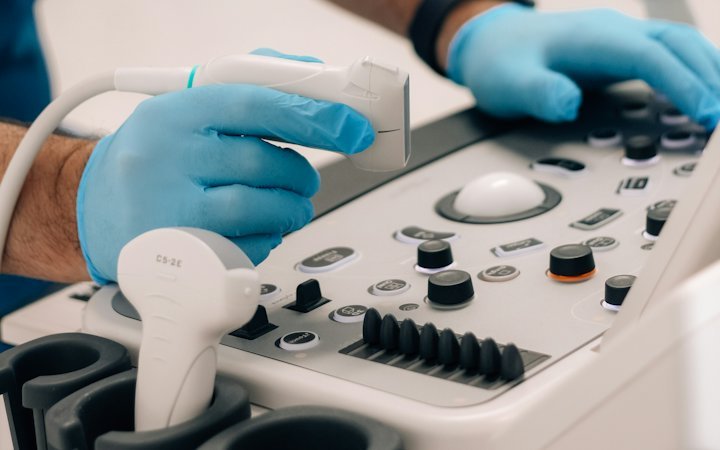
Investigations usually begin with a urine test, urine culture and an ultrasound of the kidneys and bladder. The key test is cystoscopy: a urologist looks inside the bladder with a thin, flexible telescope passed through the urethra, normally under local anaesthetic gel. Urine cytology can detect cancer cells, especially from high-grade tumours.
A CT urogram is often done after visible blood in the urine to check the kidneys and ureters, because urothelial tumours can also arise there – see MRI and CT scans.
If a tumour is seen, the next step is a transurethral resection of bladder tumour (TURBT) under anaesthetic. It is both diagnosis and treatment: the tumour is removed through the urethra and the pathologist reports its type, grade (low or high) and depth. A good resection should include muscle in the sample, and high-risk tumours sometimes need a repeat resection a few weeks later. For muscle-invasive cancer, staging continues with CT of the chest, abdomen and pelvis and, in selected cases, MRI or PET-CT.
Treating non-muscle-invasive bladder cancer
After TURBT, doctors estimate the risk of recurrence and progression (low, intermediate, high or very high). In line with European Association of Urology guidance:
- A single dose of chemotherapy placed into the bladder soon after TURBT reduces recurrence in suitable low-risk tumours.
- A course of bladder chemotherapy instillations may be offered for intermediate risk.
- BCG immunotherapy – a weakened form of the bacteria used in the tuberculosis vaccine is instilled into the bladder to stimulate the immune system. It is standard for high-risk disease and carcinoma in situ, with maintenance treatment usually continuing for one to three years.
- For very high-risk tumours or when BCG fails, early bladder removal or newer treatments within clinical trials are discussed.
Instillations can cause temporary burning, frequency and blood in the urine; serious side effects are uncommon but monitored by the urology team.
Treating muscle-invasive and advanced bladder cancer
The standard treatment for muscle-invasive cancer is radical cystectomy: removal of the bladder and pelvic lymph nodes, usually with the prostate in men and sometimes the womb and part of the vagina in women. For suitable patients, cisplatin-based chemotherapy before surgery (neoadjuvant) improves survival. The operation may be open or performed with robotic surgery.
Once the bladder is removed, urine needs a new route out of the body:
- ileal conduit – urine drains through an opening on the abdomen into a bag;
- orthotopic neobladder – a new bladder made from bowel and joined to the urethra, allowing urination in the usual way;
- less often, a continent pouch emptied with a catheter.
Some patients can keep their bladder with trimodal therapy: a thorough TURBT followed by radiotherapy combined with chemotherapy, and close monitoring. The choice is made by a multidisciplinary team.
For metastatic disease, options include combination chemotherapy, immunotherapy with checkpoint inhibitors, antibody-drug conjugates and targeted drugs for specific gene changes. In recent years, combining an antibody-drug conjugate with immunotherapy has substantially changed first-line treatment. For general principles, see our guide to cancer treatment.
Follow-up and life after treatment
Bladder cancer has a high recurrence rate, so treatment is followed by surveillance cystoscopies: usually the first at three months after TURBT, then at intervals depending on risk, often for many years. High-risk disease may also need urine cytology and regular CT scans.
After cystectomy, people learn to manage their stoma or new bladder with help from specialist nurses. Stopping smoking after diagnosis also lowers the chance of the cancer coming back.
When to see a doctor
See your GP and ask for an urgent urology referral if:
- you notice blood in your urine, even once and even without pain;
- you have persistent frequent or painful urination that does not settle after treatment for infection;
- urine tests repeatedly show red blood cells.
Being unable to pass urine, or heavy bleeding with clots, needs urgent medical attention. If you have been diagnosed and bladder removal is recommended, it is reasonable to ask about bladder-sparing options and to seek a second opinion if you are unsure.
Bladder cancer treatment abroad and in Türkiye
Many patients from Bulgaria and across Europe seek treatment or a second opinion at large accredited hospital groups in Istanbul, where enhanced cystoscopy, TURBT, BCG therapy, robotic cystectomy and modern systemic treatment are available. Before deciding, check the urology team's experience with cystectomy and urinary reconstruction, ask for a written treatment plan and agree who will carry out follow-up cystoscopies and instillations once you are home. New City Clinic in Istanbul is a health-tourism organiser that coordinates the hospital, doctor, hotel, transfers and interpreter; medical decisions remain with the treating team.
Frequently asked questions
Does blood in the urine always mean cancer?
No. Infection, stones and an enlarged prostate are more common causes. Visible blood in the urine should still always be investigated, because some people turn out to have a bladder or kidney tumour, and early detection makes treatment simpler.
Is cystoscopy painful?
A flexible cystoscopy is usually done with local anaesthetic gel and takes a few minutes. Most people find it uncomfortable rather than painful. Mild stinging when passing urine can last a day or two.
What is BCG treatment for bladder cancer?
BCG is a weakened bacterium, also used in the tuberculosis vaccine, that is placed into the bladder through a catheter. It triggers the immune system to attack cancer cells in the lining. It is given weekly at first and then as maintenance on a schedule set by your urologist.
Can you live a normal life without a bladder?
Yes, most people return to their usual activities after recovery. With a stoma, urine collects in a bag; with a neobladder, you pass urine through the urethra after a period of training. Specialist nurses help with adjusting.
Why are so many check-ups needed?
Bladder tumours often return, sometimes years after the first treatment. Regular cystoscopies allow recurrences to be found early, when they can usually be removed with a minor procedure.
Sources
This article is for education and does not replace consultation, diagnosis or treatment by a doctor. In an emergency call 112.