Thyroid cancer: nodules, symptoms, diagnosis and treatment
Thyroid nodules are very common and the vast majority are harmless. A small number, however, turn out to be thyroid cancer, most often papillary carcinoma, which has one of the best outlooks of any cancer when treated appropriately. The key is careful assessment of the nodule with ultrasound and, if needed, a fine-needle biopsy.

What thyroid cancer is
The thyroid is a small butterfly-shaped gland at the front of the neck. It makes hormones that control metabolism, heart rate and body temperature. Thyroid cancer develops when cells in the gland start to grow out of control and form a tumour.
The main types are:
- Papillary carcinoma – the most common type (around 8 in 10 cases). It grows slowly and can spread to lymph nodes in the neck, but is usually treated successfully.
- Follicular carcinoma – less common; it can spread through the bloodstream to the lungs or bones.
- Medullary carcinoma – starts in the C cells that make calcitonin; some cases are inherited (RET gene mutations).
- Anaplastic carcinoma – very rare but highly aggressive, mainly in older people.
Risk factors
- Ionising radiation in childhood, from radiotherapy to the head and neck or radioactive fallout, is the best-established risk factor.
- Sex and age – women are affected about three times as often as men; thyroid cancer occurs at any age, including in young adults.
- Family history, particularly for medullary carcinoma and multiple endocrine neoplasia type 2 (MEN2).
- Excess body weight is linked with a modestly higher risk.
The number of thyroid cancers diagnosed has risen considerably in recent decades, largely because widespread ultrasound picks up very small tumours that would never have caused harm. Current guidelines therefore caution against over-investigating small nodules without worrying features.
Thyroid cancer symptoms
Thyroid cancer often causes no symptoms and is found by chance during an examination or scan. Possible signs include:
- a painless lump or swelling at the front of the neck that is getting bigger;
- swollen lymph nodes in the neck;
- a hoarse voice that persists without a cold;
- difficulty swallowing or breathing, or a feeling of pressure in the neck.
Thyroid hormone blood tests (TSH, free T4) are usually normal, so normal results do not rule out cancer. A neck lump is far more often a benign nodule, goitre or cyst.
Diagnosis: ultrasound and fine-needle biopsy
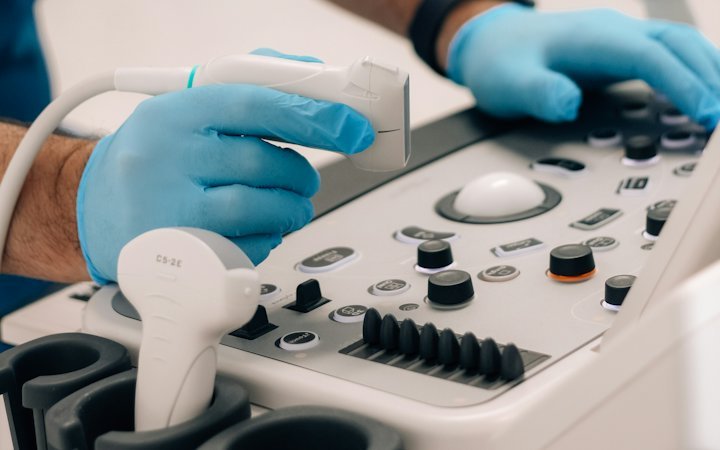
When a nodule is found, an endocrinologist will usually check TSH and arrange an ultrasound of the thyroid and neck. Ultrasound looks at size, margins, echogenicity, tiny calcifications and shape, and the risk is graded using systems such as EU-TIRADS.
If the nodule has suspicious features and is large enough, an ultrasound-guided fine-needle aspiration (FNA) is performed. The result is reported using the Bethesda system, from benign to malignant, with several "indeterminate" categories in between. Indeterminate results may lead to a repeat FNA, molecular testing or diagnostic surgery.
In suspected medullary carcinoma, blood calcitonin is measured, and when wider spread is suspected, CT or MRI of the neck and chest may be needed. See also MRI and CT scans and our overview of modern diagnostics.
Thyroid cancer treatment
The main treatment is surgery:
- Lobectomy (hemithyroidectomy) removes half the gland and suits small, low-risk tumours without lymph node involvement. Lifelong hormone tablets are often not needed.
- Total thyroidectomy removes the whole gland for larger or more aggressive tumours, disease in both lobes or lymph node spread.
- Neck dissection removes lymph nodes when they contain cancer.
Possible complications include temporary or, less often, permanent hoarseness (if the laryngeal nerve is affected) and low calcium due to damage to the parathyroid glands. These risks are lower with surgeons who perform many thyroid operations.
For selected small papillary cancers (usually under 1 cm with no worrying features), some centres offer active surveillance with regular ultrasound instead of immediate surgery.
Radioactive iodine may be given after total thyroidectomy when the risk of recurrence is higher or the cancer has spread, to destroy remaining thyroid tissue. It is often unnecessary in low-risk disease. After total thyroidectomy, thyroid hormone replacement is taken for life, with the dose adjusted by the endocrinologist.
For advanced cancer that no longer responds to radioactive iodine, and for medullary or anaplastic carcinoma, options include targeted drugs (for example tyrosine kinase inhibitors acting on RET or BRAF changes), radiotherapy and, in some cases, immunotherapy. For general principles, see our guide to cancer treatment.
Stages and risk assessment
In differentiated thyroid cancer (papillary and follicular), age matters a great deal: in people under 55 the disease is staged more favourably, even when lymph nodes are involved. Alongside the stage, doctors assess the risk of recurrence, which guides the extent of surgery, the need for radioactive iodine and how often follow-up is needed.
| Recurrence risk | Typical features | Usual approach |
|---|---|---|
| Low | Small tumour within the gland, no aggressive subtype, no spread | Lobectomy or total thyroidectomy; radioactive iodine usually not needed |
| Intermediate | Microscopic extension beyond the gland, lymph node involvement, aggressive subtype | Total thyroidectomy; radioactive iodine considered case by case |
| High | Obvious invasion of nearby tissues, distant spread, incomplete removal | Total thyroidectomy, radioactive iodine and closer follow-up |
This assessment is reviewed after surgery and at each follow-up visit. For more on screening and early diagnosis, see our article on early detection of cancer.
Follow-up after treatment
Follow-up usually involves neck ultrasound and blood tests for thyroglobulin and thyroglobulin antibodies. After total thyroidectomy, thyroglobulin is a sensitive marker of remaining or returning disease. Visits become less frequent over time if there is no sign of recurrence. Most people with differentiated thyroid cancer go on to lead normal lives, including pregnancy after discussion with their doctor.
When to see a doctor
See your GP, who can refer you to an endocrinologist, if:
- you find a lump in your neck that does not go away within a few weeks or is growing;
- you have had a hoarse voice for more than three weeks without an obvious cause;
- you notice difficulty swallowing or swollen glands in your neck.
A rapidly growing neck swelling with difficulty breathing needs urgent assessment. If you have been diagnosed and are unsure whether you need a lobectomy or total thyroidectomy, or radioactive iodine, you can ask for a second opinion.
Thyroid cancer treatment abroad and in Türkiye
Patients from Bulgaria and elsewhere in Europe often turn to large accredited hospital groups in Istanbul, which have experienced endocrine surgeons, intraoperative monitoring of the voice nerve, nuclear medicine departments and radioactive iodine treatment. Check the surgeon's thyroid surgery experience, ask for a written plan that explains whether radioactive iodine will be needed, and agree how hormone replacement and thyroglobulin monitoring will continue at home. New City Clinic in Istanbul is a health-tourism organiser that coordinates the hospital, doctor, hotel, transfers and interpreter; medical decisions remain with the treating team.
Frequently asked questions
How often is a thyroid nodule cancer?
Only a small proportion of nodules are malignant; most are benign. The risk is assessed from the ultrasound features and, when needed, a fine-needle biopsy.
Will I need to take thyroid tablets for life?
After a total thyroidectomy, yes – thyroid hormone is taken daily for life. After removal of half the gland, many people keep normal thyroid function and need no tablets, but this is checked with blood tests.
Is radioactive iodine treatment dangerous?
It is given under strict radiation safety rules and for a short time you will need to limit close contact with others, especially children and pregnant women. Temporary dry mouth and taste changes can occur. It is only used when the benefit outweighs the risk.
What is the outlook for papillary thyroid cancer?
For most people with papillary carcinoma the outlook is very good, particularly for younger patients and small tumours. Regular follow-up is still important because recurrences can occur years later.
Sources
This article is for education and does not replace consultation, diagnosis or treatment by a doctor. In an emergency call 112.