Atrial fibrillation: symptoms, risks and modern treatment
Atrial fibrillation (AF) is the most common lasting heart rhythm disorder. On its own it is rarely immediately dangerous, but it raises the risk of stroke several times over and can lead to heart failure. The good news is that the right prevention and treatment reduce these risks considerably.
What is atrial fibrillation?
In a normal rhythm, each heartbeat starts in the sinus node, the heart's natural pacemaker. In atrial fibrillation, hundreds of chaotic electrical impulses a minute fire in the atria (upper chambers). Instead of contracting properly, the atria quiver, and the ventricles receive irregular signals – so the pulse becomes irregular and often fast.
AF is described by how long it lasts:
- paroxysmal – episodes stop on their own, usually within 7 days;
- persistent – lasts more than 7 days or needs treatment to restore normal rhythm;
- long-standing persistent – more than 12 months, when restoring rhythm is still being attempted;
- permanent – when patient and doctor agree not to try to restore normal rhythm any more.
AF is one of the heart rhythm disorders, and it becomes much more common with age.
Causes and risk factors
The main risk factors are:
- older age;
- high blood pressure;
- heart failure, heart valve disease (especially of the mitral valve) and coronary heart disease;
- obesity, diabetes and sleep apnoea;
- alcohol – even regular moderate drinking raises the risk;
- an overactive thyroid, chronic lung and kidney disease;
- heart surgery and acute infections; in some younger people, very intensive endurance sport.
Sometimes no clear cause is found. Smoking and an inactive lifestyle also contribute.
Atrial fibrillation symptoms
Symptoms vary from none at all to very unpleasant:
- palpitations – a racing, fluttering or "skipping" heart;
- an irregular pulse when you feel your wrist;
- breathlessness, reduced exercise tolerance and tiredness;
- dizziness and, rarely, fainting;
- chest discomfort or pain.
Around a third of people have no symptoms. That is why opportunistic pulse checks or a short ECG are recommended for people over 65. Smartwatches and handheld ECG devices can also flag possible AF, but the diagnosis must be confirmed by a doctor on an ECG.
How AF is diagnosed
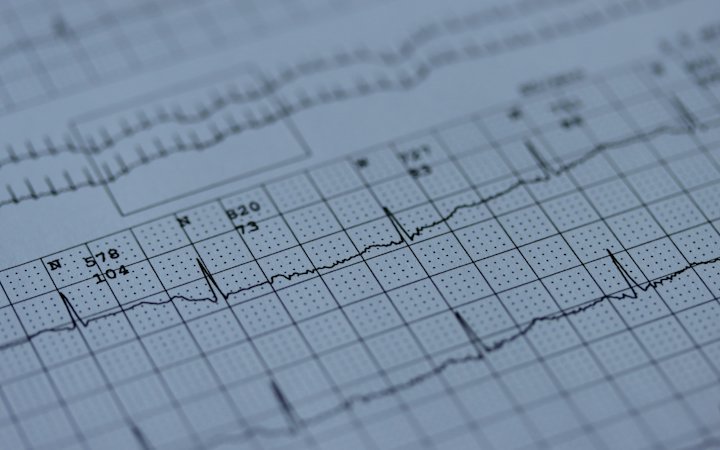
AF is confirmed by an ECG recorded during an episode. For episodes that come and go, doctors use:
- a Holter monitor for 24 hours up to 7 days;
- event recorders or an implantable loop recorder under the skin for infrequent episodes;
- an echocardiogram to assess the size of the atria and the function of the ventricles and valves;
- blood tests – thyroid function, kidney function, blood count and salts;
- where appropriate, testing for sleep apnoea or coronary heart disease.
Preventing stroke
In AF, blood moves sluggishly in the atria (particularly in a pouch called the left atrial appendage) and can form clots. If a clot travels to the brain, it causes an ischaemic stroke, often a severe one.
Doctors assess risk using a scoring system such as CHA2DS2-VA, which takes into account age, high blood pressure, diabetes, heart failure, previous stroke and vascular disease. When the risk is raised, anticoagulants ("blood thinners") are recommended:
- direct oral anticoagulants – preferred for most people and needing no regular INR tests;
- vitamin K antagonists – used with mechanical valves and certain valve conditions, with regular INR monitoring.
Aspirin is not recommended for stroke prevention in AF. Bleeding risk is assessed and reduced by controlling blood pressure, alcohol and interacting medicines. For people who cannot take anticoagulants long term, left atrial appendage closure with a catheter-delivered device may be considered.
Treatment: rate and rhythm
Current ESC guidance stresses an integrated approach: stroke prevention, symptom control and treatment of related conditions.
- Rate control – beta-blockers, certain calcium channel blockers or digoxin slow the heart and ease symptoms.
- Rhythm control – anti-arrhythmic medicines or cardioversion (electrical or with medicines) to restore normal rhythm. Before cardioversion, a period of anticoagulation or a scan to rule out a clot is usually needed.
- Catheter ablation – catheters passed through a vein in the groin are used to isolate the pulmonary veins, where the abnormal impulses usually start. Radiofrequency energy, cryoablation or the newer pulsed field ablation may be used. Ablation works well for symptomatic paroxysmal AF and for some people with heart failure; a repeat procedure is sometimes needed.
- If the heart rate becomes too slow after treatment, a pacemaker may be needed.
The choice depends on symptoms, how long AF has been present, heart function and your preferences, and is made together with your cardiologist.
Daily life: anticoagulants and lifestyle
If you are prescribed an anticoagulant, take it every day at the same time and do not miss doses – with direct oral anticoagulants, protection wears off quickly after a missed dose. Tell every doctor and dentist that you take one, especially before surgery, a tooth extraction or an endoscopy; treatment is sometimes paused according to a set plan.
Check with a doctor or pharmacist before starting any new medicine, including painkillers and herbal products, as some increase bleeding risk. Minor bruising and bleeding gums are common and usually harmless, but blood in the urine or stools, black stools or prolonged bleeding need prompt medical advice.
Risk factors directly affect how often and how long episodes occur:
- keep blood pressure and blood sugar well controlled;
- lose excess weight – in people with obesity, significant weight loss reduces AF episodes;
- cut down or stop drinking alcohol;
- treat sleep apnoea;
- stay physically active with regular moderate exercise and stop smoking.
For more practical advice, see a heart-healthy diet and our overview of heart disease.
When to see a doctor
See your GP if you notice an irregular or racing heartbeat, find your pulse is irregular, or your smartwatch alerts you to possible AF. They will arrange an ECG and, if needed, refer you to a cardiologist.
Call 112 (or your local emergency number) for chest pain, severe breathlessness, fainting or signs of stroke – a drooping face, arm or leg weakness, or slurred speech. Also seek urgent help for a very fast pulse with dizziness, or for heavy bleeding while taking an anticoagulant.
AF treatment abroad and in Türkiye
Some patients from Bulgaria and elsewhere in Europe seek catheter ablation or left atrial appendage closure at large accredited hospital groups in Istanbul with experienced electrophysiology teams. Before deciding, check the electrophysiologist's experience, ask which ablation technique will be used, request a written plan and agree how your rhythm and anticoagulation will be monitored at home. Organisers such as New City Clinic coordinate the hospital, doctor, hotel, transfers and interpreter, while medical decisions remain with the treating team. See also heart surgery in Turkey.
Frequently asked questions
Is atrial fibrillation dangerous?
AF itself is rarely immediately life-threatening, but it increases the risk of stroke and heart failure. That is why risk is assessed and anticoagulants are prescribed when needed. With proper treatment most people lead normal lives.
Will I need an anticoagulant for life?
The decision is based on your stroke risk, not on whether you currently have symptoms or a normal rhythm. Even after successful ablation, many people continue anticoagulation if their risk is high. Do not stop without speaking to your cardiologist.
Can AF go away on its own?
Paroxysmal episodes stop by themselves, but the tendency to AF usually remains and episodes can become more frequent over time. Managing risk factors and timely treatment can slow this down.
Will ablation work for me?
In many people with symptomatic AF, ablation greatly reduces or stops episodes, especially in paroxysmal AF. Success is not guaranteed and a second procedure is sometimes needed. Your cardiologist will advise whether you are a suitable candidate.
Can I drink coffee?
For most people moderate coffee intake does not trigger AF. If you notice a link between coffee and your episodes, cut back. Alcohol has a much clearer link with AF.
Sources
This article is for education and does not replace consultation, diagnosis or treatment by a doctor. In an emergency call 112.