Heart failure: symptoms, causes and modern treatment
Heart failure means the heart is not pumping blood as well as the body needs. It does not mean the heart has stopped or is about to stop – with the right treatment, daily habits and regular follow-up, many people live active lives for years.
What is heart failure?
In heart failure, the heart muscle is weakened or stiff and cannot fill with or pump out blood effectively. Organs receive less oxygen, and fluid builds up in the lungs, abdomen and legs.
The European Society of Cardiology (ESC) describes three main types, based on the left ventricle's ejection fraction (EF) – the percentage of blood pumped out with each beat:
- reduced EF (40% or less) – the heart muscle squeezes weakly;
- mildly reduced EF (41–49%);
- preserved EF (50% or more) – the heart squeezes normally but is stiff and does not relax well; this is more common in older people, women and those with high blood pressure, obesity or diabetes.
Heart failure can develop gradually (chronic heart failure) or suddenly (acute decompensation), which needs hospital treatment.
Causes and risk factors
Heart failure is usually the result of another heart or blood vessel condition:
- coronary heart disease and a previous heart attack that has scarred the muscle;
- high blood pressure, which strains and thickens the heart over years;
- heart valve disease – narrowed or leaking valves;
- cardiomyopathies – inherited, inflammatory or caused by toxins such as alcohol and some cancer medicines;
- rhythm problems, especially atrial fibrillation with a fast heart rate;
- diabetes, obesity, chronic kidney disease, sleep apnoea and thyroid disease.
Controlling these risk factors is the best prevention. For the wider picture, see heart disease.
Heart failure symptoms
Symptoms often come on slowly and are easily put down to age or being unfit:
- breathlessness – at first on exertion such as climbing stairs, later even at rest;
- breathlessness lying flat, needing extra pillows, or waking at night short of breath;
- swollen ankles and legs, usually worse in the evening;
- rapid weight gain – 2 kg in two or three days – from fluid retention;
- tiredness, weakness and reduced exercise tolerance;
- a night-time cough, palpitations, poor appetite and a bloated abdomen.
Doctors grade severity using the NYHA classes, from class I (no symptoms with ordinary activity) to class IV (symptoms at rest).
How heart failure is diagnosed
If heart failure is suspected, the doctor takes a history, examines you and arranges tests:
- NT-proBNP or BNP – a blood marker that rises when the heart is under strain; a normal result makes heart failure unlikely.
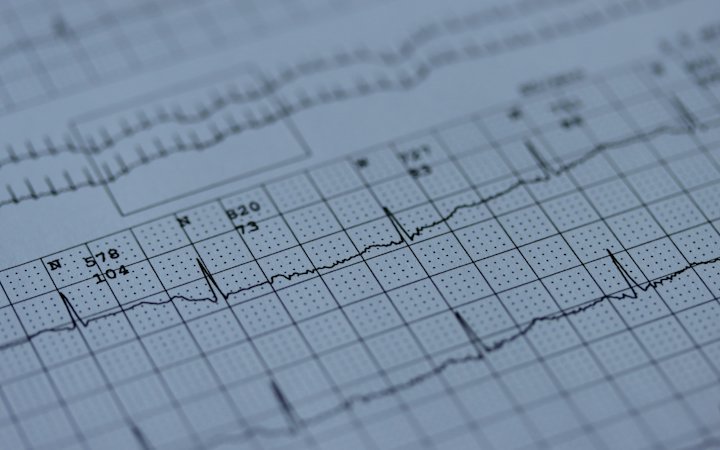
- ECG – looks for rhythm problems and signs of a previous heart attack.
- Echocardiogram – the key test, measuring ejection fraction, chamber size, valves and pressures.
- Chest X-ray and blood tests – blood count, kidney function, salts, thyroid hormones, iron and glucose.
- Where needed, coronary angiography, cardiac MRI or genetic testing to find the cause.
Treating heart failure
For heart failure with reduced ejection fraction, ESC guidelines recommend four core medicine groups that have been shown to reduce hospital admissions and deaths, started as early as possible:
- angiotensin receptor–neprilysin inhibitors (ARNI) or ACE inhibitors;
- beta-blockers;
- mineralocorticoid receptor antagonists;
- SGLT2 inhibitors – first developed for diabetes, but effective in people without diabetes too.
Diuretics ("water tablets") remove excess fluid and ease breathlessness and swelling. SGLT2 inhibitors are also recommended for mildly reduced and preserved EF. Doses are increased step by step while blood pressure, pulse and kidney function are checked – do not stop medicines on your own.
Devices and procedures for suitable patients include an implantable cardioverter-defibrillator (ICD) to protect against dangerous arrhythmias, cardiac resynchronisation therapy (CRT), surgical or catheter valve treatment, and stenting or bypass surgery for blocked arteries. In severe, advanced heart failure, a left ventricular assist device (LVAD) or a heart transplant may be considered.
Acute worsening and outlook
Chronic heart failure can suddenly get worse – this is called acute decompensation. Common triggers include missed medicines, too much salt or fluid, infections, uncontrolled blood pressure, rhythm problems and certain medicines. In hospital, fluid is removed with intravenous diuretics, the trigger is treated and long-term medicines are adjusted. The first weeks after discharge are a vulnerable time, so a check-up with the cardiologist or GP should follow soon after you go home.
The outlook varies widely and depends on the cause, type and severity of heart failure, other conditions and how closely treatment is followed. In advanced heart failure with frequent admissions, palliative care helps with breathlessness and fatigue alongside cardiology treatment.
Self-care and daily life
What you do every day is part of the treatment:
- weigh yourself every morning and tell your team about a gain of more than 2 kg in three days;
- cut down on salt; any fluid limit should be set individually by your doctor;
- keep up regular, moderate physical activity, ideally through a cardiac rehabilitation programme;
- stop smoking and keep alcohol low;
- have flu, pneumococcal and COVID-19 vaccinations;
- avoid anti-inflammatory painkillers unless advised – they cause fluid retention;
- watch your mood – depression is common and treatable.
For practical eating advice, see a heart-healthy diet.
When to see a doctor
See your GP if you notice increasing breathlessness on exertion, swollen ankles, unexplained tiredness or need more pillows to sleep. They will arrange tests and, if needed, refer you to a cardiologist. If you are already being treated, contact your team about rapid weight gain or worsening swelling or breathlessness.
Call 112 (or your local emergency number) for severe breathlessness at rest, being unable to lie down because of breathlessness, coughing up pink frothy sputum, chest pain, fainting, or a very fast and irregular heartbeat.
Heart failure treatment abroad and in Türkiye
Patients from Bulgaria and elsewhere in Europe sometimes seek a second opinion or procedures – ICD or CRT implantation, catheter valve treatment, bypass surgery or LVAD assessment – at large accredited hospital groups in Istanbul. Before deciding, check the cardiologist's and cardiac surgeon's experience, ask for a written plan, and agree who will monitor the device and your medicines at home. Organisers such as New City Clinic coordinate the hospital, doctor, hotel, transfers and interpreter, while medical decisions remain with the treating team. Read more in heart surgery in Turkey.
Frequently asked questions
Does heart failure mean my heart will stop?
No. The term means the heart is not pumping as efficiently as it should. With modern treatment many people live for years with a good quality of life. Taking medicines regularly and attending follow-up are key.
Can my ejection fraction improve?
In some people it improves considerably, especially when the cause is treated and medicines are taken at optimal doses. Treatment usually continues even after improvement.
How much should I drink?
This is individual. Many people do not need a strict limit, but with significant swelling or low sodium your doctor may set one. Weigh yourself daily to spot fluid build-up early.
Can I exercise?
Yes – regular moderate activity is recommended and improves stamina. Starting in a cardiac rehabilitation programme and agreeing your level with your cardiologist is the safest way.
Why have I been prescribed a diabetes medicine when I do not have diabetes?
SGLT2 inhibitors have been shown to reduce hospital admissions and improve outlook in heart failure, including in people without diabetes. That is why guidelines include them in core treatment.
Sources
This article is for education and does not replace consultation, diagnosis or treatment by a doctor. In an emergency call 112.